HelloGrowthCRM software
Built for real small-business sales teams
HelloGrowthCRM helps reps qualify faster, follow up on time, and close more deals—with practical automation in one place.
- AI lead scoring and pipeline visibility
- Built-in dialer, WhatsApp, and email automation
- Sales forecasting and RevOps-ready reporting
An ad campaign is a planned series of marketing messages delivered through various channels such as social media, email, search engines, or text messaging. It aims to generate leads, increase sales, or build brand awareness by reaching the right audience with consistent messaging over a set timeframe.
Why this comes up / what goes wrong
Small-business owners often hear about ad campaigns but struggle to understand how to start one or why their current efforts don’t deliver results. Many run ads sporadically without a clear plan, targeting, or follow-up strategy. This leads to wasted budget, lost leads, and no measurable return on investment. Without a system to track responses and nurture prospects, potential customers fall through the cracks, and the business misses opportunities to grow.
Step-by-step
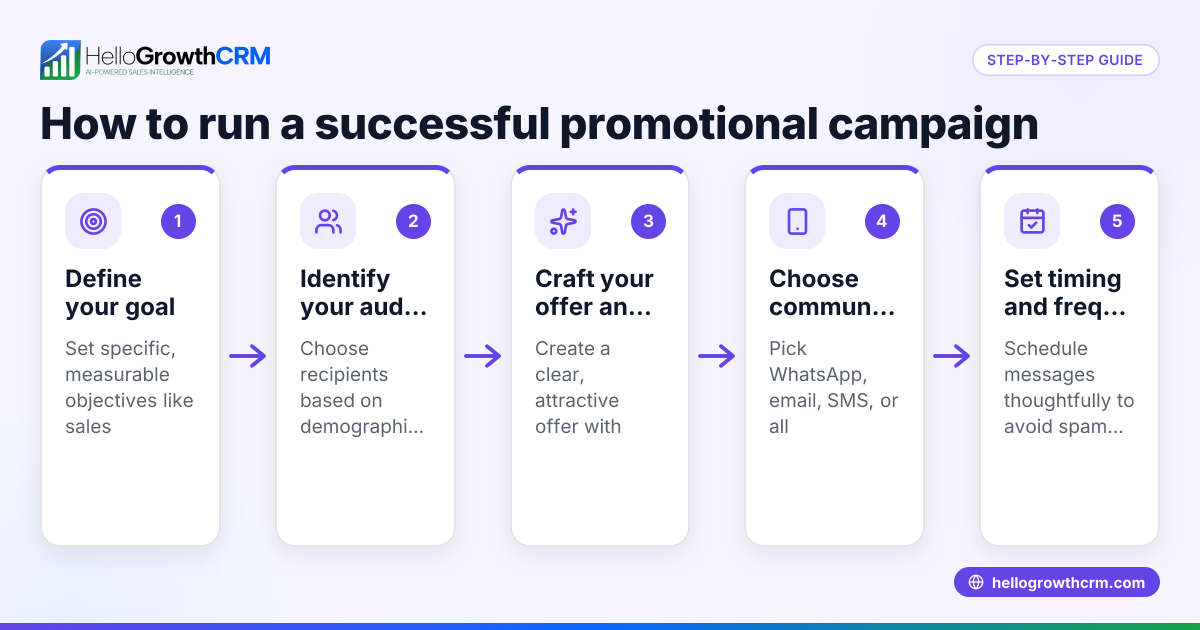
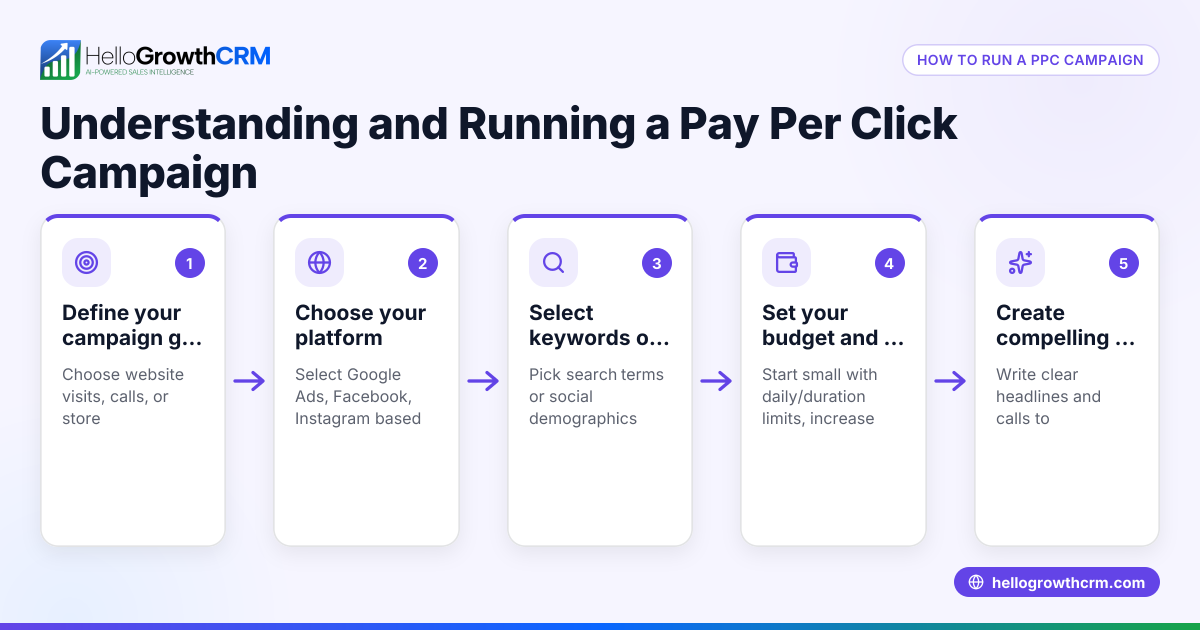
- Define your goal: Decide what you want your ad campaign to achieve — more leads, sales, or brand awareness. Check that the goal is specific, measurable, and realistic for your business size and budget.
- Identify your target audience: Specify who your ideal customers are by demographics, interests, or behaviors. Verify your audience matches your product or service and that they are reachable through your chosen channels.
- Choose your channels: Select where to run your ads — Google, Facebook, Instagram, WhatsApp, email, or SMS. Ensure the channel fits your audience habits and your budget allows effective reach.
- Create your message and creative: Write clear, compelling copy and design visuals that highlight your offer and call to action. Check for clarity, relevance, and consistency across all materials.
- Set a budget and schedule: Allocate how much to spend daily or total and decide the campaign length. Confirm your budget aligns with your goals and allows enough time to gather data for optimization.
- Launch the campaign and monitor results: Start the ads and track key metrics like clicks, conversions, and cost per lead. Adjust targeting, creative, or budget if performance is below expectations.
- Follow up promptly on leads: Have a system ready to contact interested prospects quickly to increase conversion chances. Check your follow-up timing and consistency to avoid losing leads.
Example (fictional figures)
A two-location dental practice in Columbus, Ohio, plans a 30-day ad campaign to attract new patients for teeth cleaning.
- Goal: Get 100 new patient leads
- Budget: $3,000 total
- Channel: Facebook ads targeted at adults aged 25-50 within 10 miles
Calculation:
$3,000 budget ÷ 30 days = $100 daily spend
Assuming a $10 cost per lead:
$3,000 ÷ $10 = 300 leads expected
Since the goal is 100 leads, this budget allows for a buffer if some leads do not convert.
The campaign runs from 06/01/2026 to 06/30/2026. The practice monitors daily leads and adjusts ads if fewer than 3 leads come per day.
Common mistakes
- No clear goal: Prevent by defining measurable objectives before starting. Without a goal, you can’t measure success or optimize.
- Poor audience targeting: Prevent by researching and specifying your ideal customer. Targeting too broad or wrong groups wastes budget.
- Ignoring follow-up: Prevent by setting up an immediate response system for leads. Slow or no follow-up loses potential sales.
- Running ads too briefly: Prevent by scheduling enough time to gather data and optimize. Too short a campaign doesn’t show full results.
- Not monitoring results: Prevent by tracking key metrics daily and adjusting accordingly. Ignoring data leads to wasted spend.
- Using inconsistent messaging: Prevent by keeping your offer and call to action uniform across all ads. Mixed messages confuse prospects.
Doing this in HelloGrowthCRM
HelloGrowthCRM helps small businesses automate follow-up after an ad campaign. Using Sequences and campaigns, you can set a five-step follow-up over two weeks that runs automatically and stops the moment the prospect replies. This ensures no lead is lost due to slow or missed responses. Learn more about WhatsApp and SMS CRM and the built-in CRM dialer to enhance your outreach. For US businesses, see HelloGrowthCRM for the United States.
Frequently asked questions
What is the difference between an ad campaign and a single ad? An ad campaign is a coordinated series of ads with a unified goal and message over a set period, while a single ad is one standalone advertisement. Campaigns are more effective for building awareness and nurturing leads.
How long should an ad campaign run? Typically, a campaign runs from a few weeks to a few months. It should be long enough to gather performance data and optimize but not so long that the message becomes stale.
How do I measure if my ad campaign is successful? Success is measured by how well you meet your predefined goal, such as the number of leads generated, sales made, or website visits. Track metrics like cost per lead and conversion rate.
Can I automate follow-up after an ad campaign? Yes, automation tools like HelloGrowthCRM’s Sequences let you send timed messages across channels until a prospect replies, improving your chances to convert leads.
Which channels are best for small business ad campaigns? It depends on your audience. Popular channels include Facebook, Google, WhatsApp, email, and SMS. Choose channels where your customers spend time.
Key takeaways
- An ad campaign is a planned series of ads with a clear goal and target audience.
- Define your goal, audience, budget, and channels before launching.
- Monitor results and adjust your campaign regularly.
- Follow-up on leads promptly to convert interest into sales.
- Avoid common mistakes like unclear goals and poor follow-up.
- Use HelloGrowthCRM’s automated sequences to manage follow-up efficiently.
Start your ad campaign with a system that captures and nurtures leads effectively. Start on the Free Forever plan (200 leads, no credit card) to try HelloGrowthCRM's follow-up automation today.
Ready to put this into practice?
Set up your pipeline, WhatsApp follow-ups, and AI lead scoring in minutes — free, no credit card.
Try HelloGrowthCRM freeGet CRM tips in your inbox
Join thousands of sales professionals who get weekly insights on CRM strategy, AI automation, and pipeline optimization.

The HelloGrowthCRM team publishes guides on CRM strategy, AI sales tools, and revenue operations for small business sales teams.