HelloGrowthCRM software
Built for real small-business sales teams
HelloGrowthCRM helps reps qualify faster, follow up on time, and close more deals—with practical automation in one place.
- AI lead scoring and pipeline visibility
- Built-in dialer, WhatsApp, and email automation
- Sales forecasting and RevOps-ready reporting
Business intelligence for sales and marketing means using data and analysis to improve your sales and marketing decisions. It helps you identify the best leads, understand customer behavior, and optimize your sales pipeline. This article explains why business intelligence matters for small businesses, walks you through practical steps to implement it, shows a realistic example with calculations, highlights common mistakes, and describes how HelloGrowthCRM can assist.
Why this comes up / what goes wrong
Small business owners often struggle with managing sales and marketing data spread across emails, spreadsheets, and text messages. Without clear insights, it’s hard to know which leads to prioritize or which marketing efforts bring the best results. This leads to slow follow-up, missed opportunities, and inconsistent sales outcomes. Business intelligence helps by organizing your data, scoring leads, and tracking sales activities so your team can focus on the right prospects and close deals faster.
Step-by-step
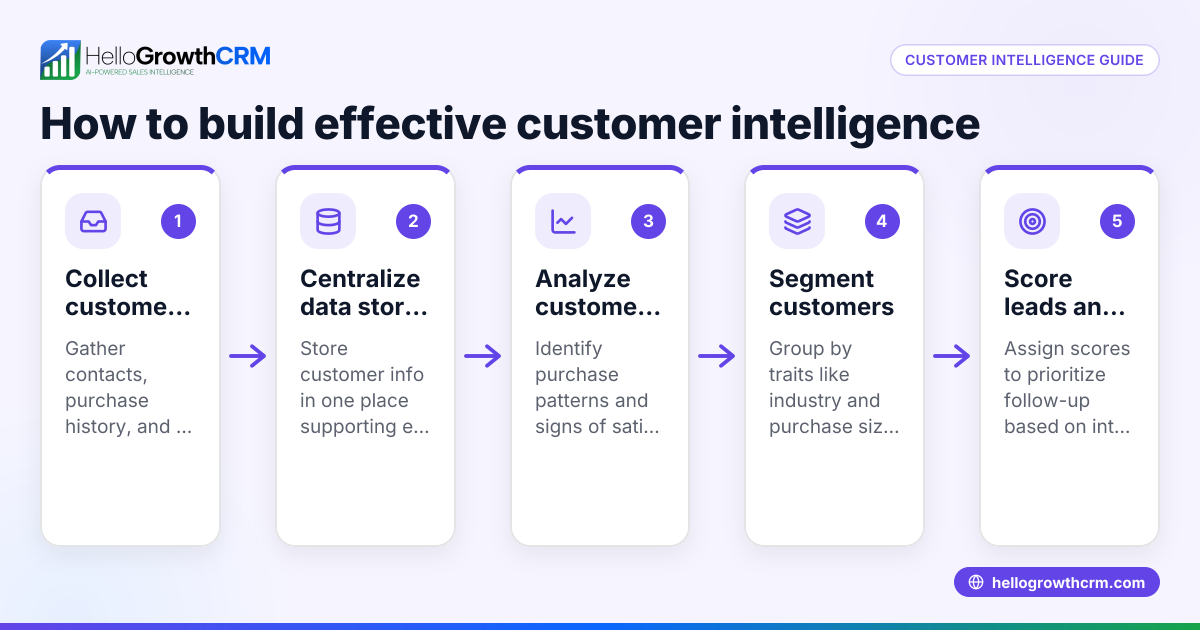
- Collect and centralize your data: Gather sales leads, customer contacts, marketing campaign results, and communication history into one place. Check that data is complete and updated regularly to avoid missing key opportunities.
- Analyze the data to identify patterns: Look for trends in customer behavior, lead sources, and sales cycles. Check which marketing channels generate the most qualified leads and highest conversion rates.
- Score and prioritize leads: Assign scores based on lead engagement, demographics, and buying signals. Check that scoring criteria reflect your business priorities and adjust as needed.
- Organize your sales pipeline: Create clear stages for your sales process and move leads through them. Check that each stage has defined criteria and specific action steps to keep deals progressing.
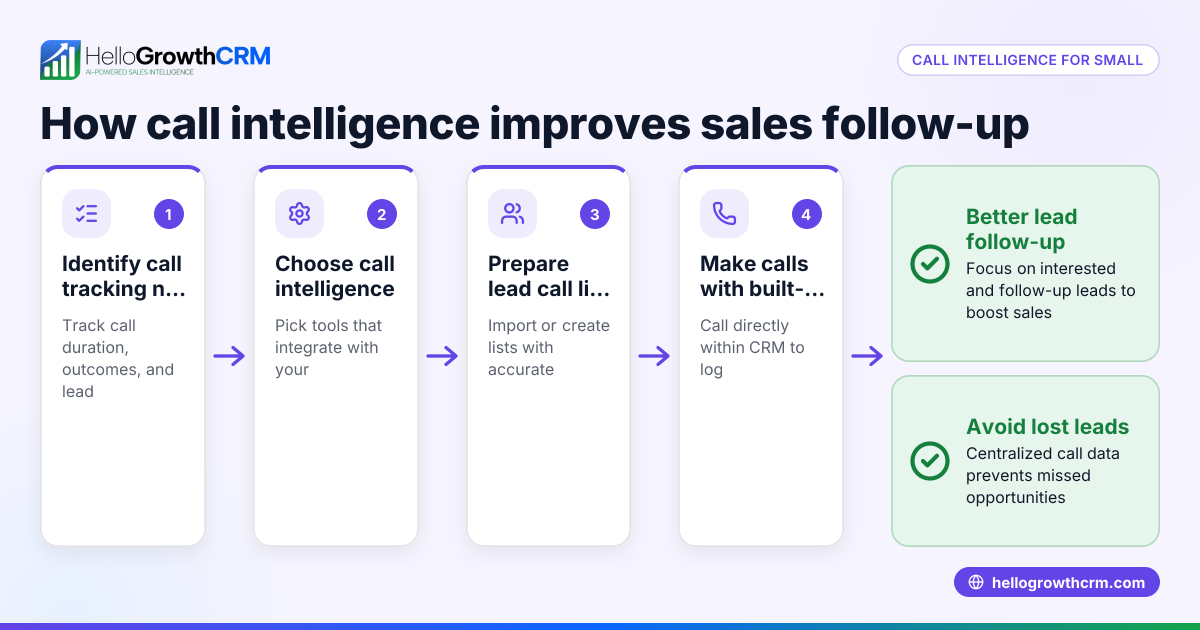
- Automate follow-ups and tasks: Set reminders and sequences for emails, WhatsApp, or SMS to ensure timely contact. Check that automation supports your team without replacing personal communication.
- Monitor performance with reports and forecasts: Track sales results, pipeline health, and marketing ROI. Check regularly for bottlenecks or declining trends to take action quickly.
- Adjust strategies based on insights: Use data to refine marketing campaigns, improve lead scoring, or reassign territories. Check the impact of changes over time and iterate your approach.
For tools that help manage these steps, see built-in CRM dialer and WhatsApp and SMS CRM.
Example (fictional figures)
A plumbing company in Austin, Texas, wants to use business intelligence for sales and marketing starting 04/01/2026.
- They collect 1,000 leads from their website and referrals.
- After scoring, 300 leads are marked high priority.
- Their average deal size is $2,500.
- They estimate a 20% close rate on high-priority leads.
Calculations:
300 high-priority leads × 20% close rate = 60 closed deals 60 closed deals × $2,500 average deal size = $150,000 projected sales
This means:
300 × 0.20 = 60 60 × 2,500 = 150,000
They track follow-up tasks weekly and adjust marketing spend to focus on referral channels, which yield the highest lead quality.
Common mistakes
- Ignoring data quality: Prevent by regularly cleaning and updating your data to avoid decisions based on outdated or incomplete information.
- Overcomplicating lead scoring: Prevent by keeping scoring criteria simple and relevant to your business goals.
- Neglecting follow-up automation: Prevent by setting up sequences and reminders but ensure personal touch in communications.
- Not reviewing performance regularly: Prevent by scheduling weekly or monthly reviews of sales and marketing reports.
- Failing to align sales and marketing teams: Prevent by sharing business intelligence insights across teams to coordinate efforts.
For more on managing sales pipelines and follow-up, see built-in CRM dialer and WhatsApp and SMS CRM.
Doing this in HelloGrowthCRM
HelloGrowthCRM supports business intelligence for sales and marketing with features like Territories, field operations and commissions — allowing field reps to log visits from their phones while managers track daily activity. Managed RevOps offers done-for-you revenue operations support, so founders without sales managers get weekly follow-up help. Additionally, HelloGrowthCRM provides free sales tools, templates, and calculators to help you start, including follow-up cadence and pipeline templates without needing an account. Learn more about these features at HelloGrowthCRM for the United States.
Frequently asked questions
What is business intelligence in sales and marketing? Business intelligence in sales and marketing means using data analysis to understand customer behavior, prioritize leads, and improve sales strategies. It involves collecting data from various sources and turning it into actionable insights.
How can small businesses start using business intelligence? Start by centralizing your sales and marketing data, then analyze it to identify your best leads and channels. Use simple lead scoring and automate follow-ups to improve efficiency.
What tools help with business intelligence for sales and marketing? CRMs with lead capture, scoring, and automation features help. HelloGrowthCRM offers WhatsApp and SMS sequences, pipeline boards, and reporting that support these tasks.
How often should I review my sales and marketing data? Regular reviews are important. Weekly or monthly check-ins help you spot trends, clean up your pipeline, and adjust strategies promptly.
Can business intelligence improve customer follow-up? Yes. By scoring leads and automating reminders, you ensure timely and relevant follow-up, which increases the chance of closing deals.
Key takeaways
- Business intelligence uses data to improve sales and marketing decisions.
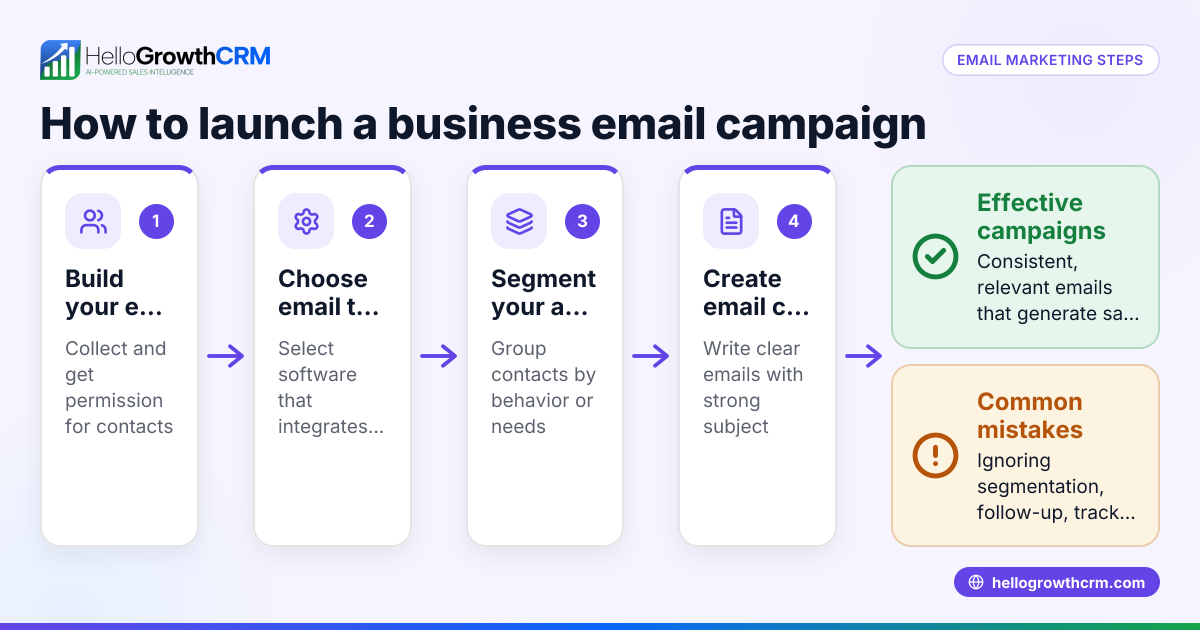
- Centralize data, score leads, and automate follow-ups to act efficiently.
- Regularly review sales performance and adjust strategies accordingly.
- Avoid common mistakes like poor data quality and neglecting automation.
- HelloGrowthCRM offers tools and support to implement business intelligence effectively.
Start using business intelligence today to focus your sales efforts where they matter most. To get started easily, Start on the Free Forever plan (200 leads, no credit card).
Ready to put this into practice?
Set up your pipeline, WhatsApp follow-ups, and AI lead scoring in minutes — free, no credit card.
Try HelloGrowthCRM freeGet CRM tips in your inbox
Join thousands of sales professionals who get weekly insights on CRM strategy, AI automation, and pipeline optimization.

The HelloGrowthCRM team publishes guides on CRM strategy, AI sales tools, and revenue operations for small business sales teams.