HelloGrowthCRM software
Built for real small-business sales teams
HelloGrowthCRM helps reps qualify faster, follow up on time, and close more deals—with practical automation in one place.
- AI lead scoring and pipeline visibility
- Built-in dialer, WhatsApp, and email automation
- Sales forecasting and RevOps-ready reporting
A customer feedback loop is the ongoing cycle of gathering customer opinions, analyzing that information, making improvements, and then communicating changes back to customers. This loop ensures your business stays aligned with customer needs and quickly fixes issues affecting satisfaction and sales.
Why this comes up / what goes wrong
Small-business owners often face challenges in keeping customers happy and growing sales because customer feedback is scattered or ignored. Feedback might arrive through emails, texts, calls, or social media but gets lost in spreadsheets or messaging apps. Without a clear feedback loop, problems go unresolved, follow-up is slow, and customers may leave. This makes it hard to improve products or services effectively and hurts your reputation and revenue.
Step-by-step
- Collect Customer Feedback Regularly
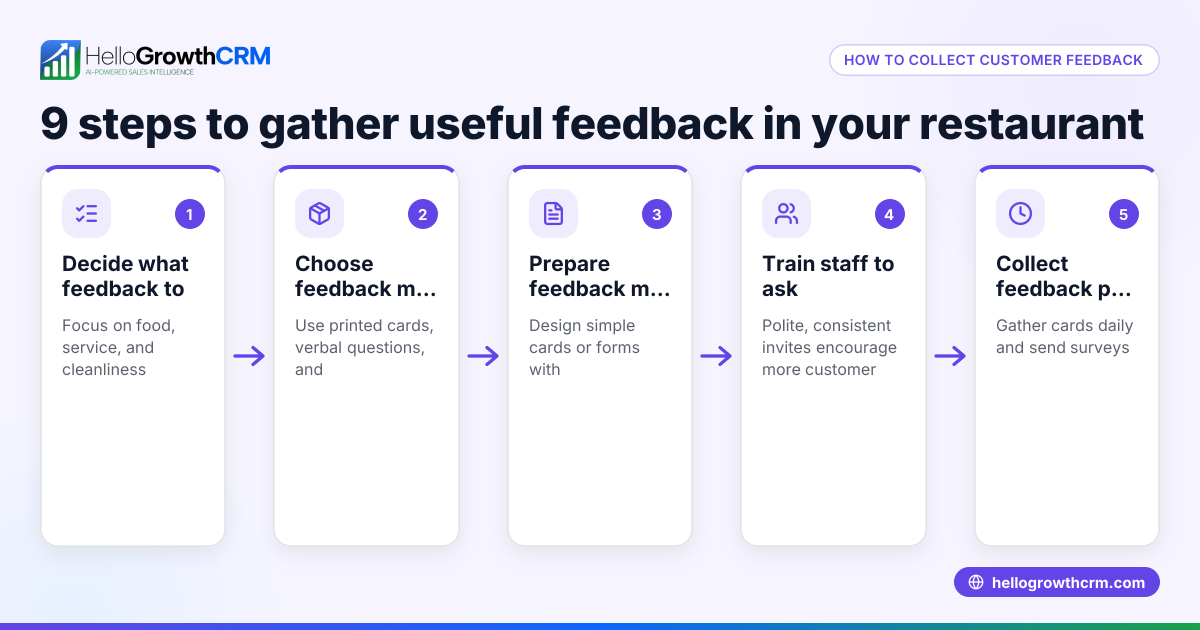
- Use surveys, direct conversations, support tickets, social media, or your customer portal to gather input.
- Check that feedback covers product quality, service experience, and communication.
- Organize and Store Feedback in One Place
- Centralize all feedback data so your team can access it easily.
- Verify feedback is linked to specific customers or deals to provide context for action.
- Analyze Feedback for Patterns and Priorities
- Identify recurring issues or common suggestions.
- Check which feedback points most affect sales or customer retention.
- Take Action on Feedback
- Assign tasks to team members to fix problems or implement improvements.
- Set deadlines and track progress to ensure follow-through.
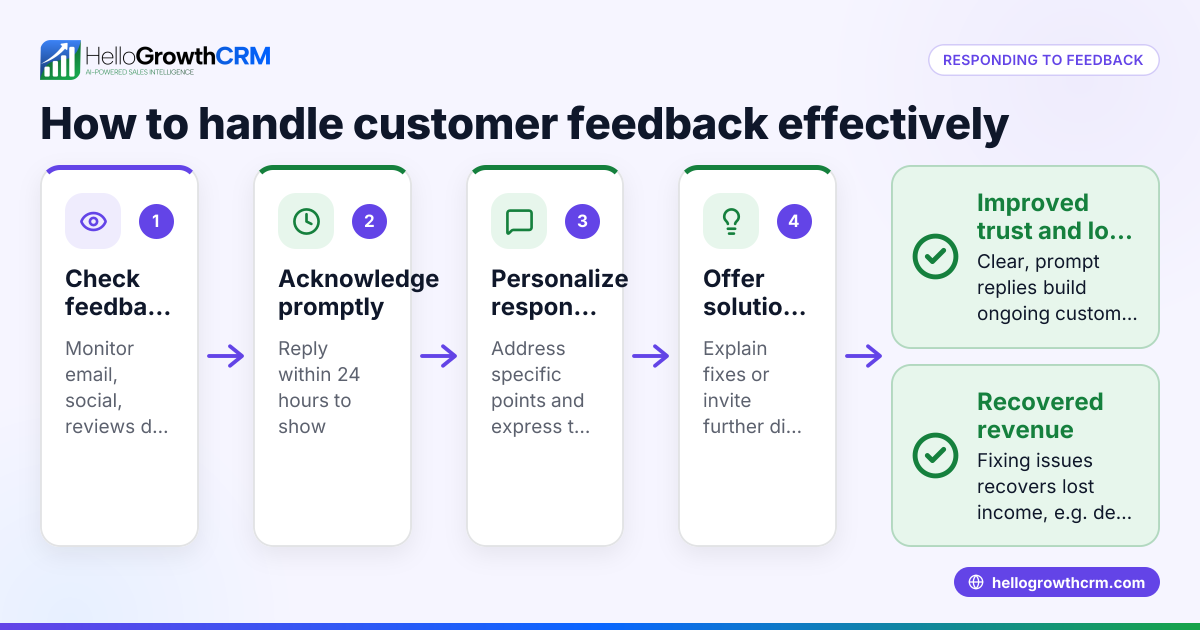
- Close the Loop by Communicating Back
- Inform customers about changes made based on their feedback.
- Use email, WhatsApp, or SMS sequences to update and encourage ongoing dialogue.
- Monitor Results and Repeat
- Measure if changes improve customer satisfaction or sales.
- Adjust your feedback collection and action steps accordingly.
To track customer satisfaction trends over time, consider tools like customer health score.
Example (fictional figures)
Phoenix Home Realty, a residential real estate team in Phoenix, Arizona, wants to improve its customer feedback loop.
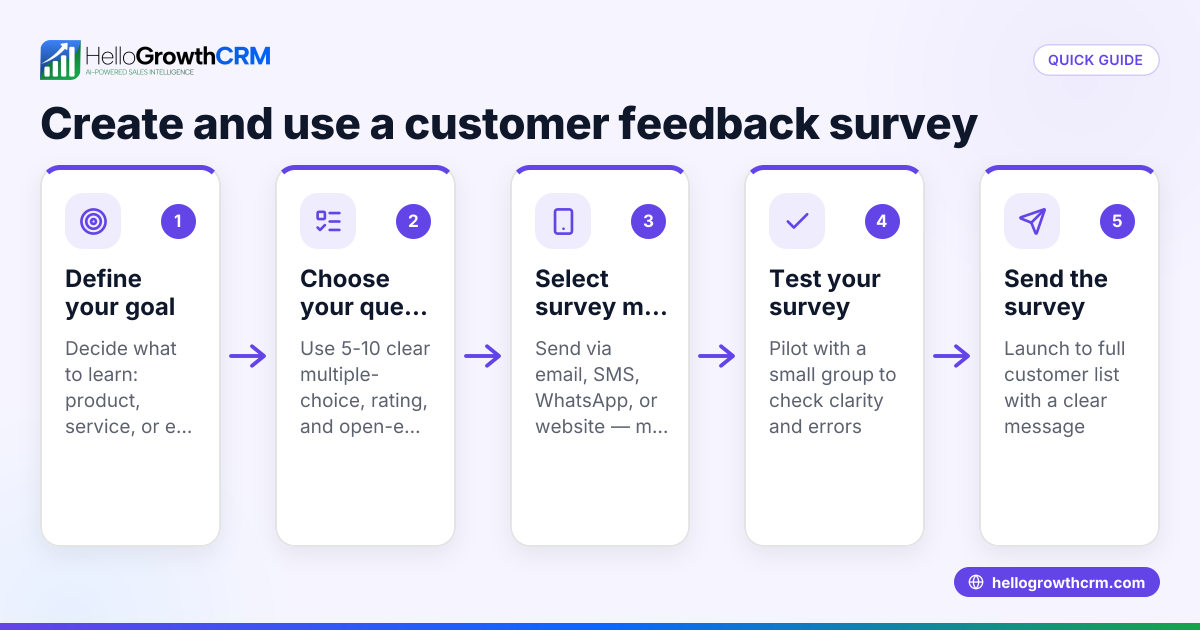
- On 03/01/2026, they send a post-sale survey to 200 clients.
- 50 clients respond, reporting issues with contract clarity and communication.
- The team categorizes feedback:
- 30 clients mention contract clarity.
- 20 clients mention communication delays.
They assign two sales agents to revise contract explanations and improve follow-up calls.
- Estimated cost of training and materials: $3,000
- Expected increase in referrals and repeat business: $15,000 over 6 months
Calculation:
$15,000 - $3,000 = $12,000 net benefit
They inform clients about the improvements via WhatsApp messages and email sequences.
After 6 months, they survey again and find a 40% reduction in complaints and a 10% increase in referral leads.
Common mistakes
- Ignoring feedback channels: Only checking one source misses valuable insights. Prevent this by collecting feedback from multiple channels.
- Not centralizing data: Scattered feedback leads to lost information and missed action. Use a CRM or central system to store all feedback.
- Failing to act: Collecting feedback without follow-up frustrates customers. Assign clear tasks and deadlines to ensure action.
- Poor communication back to customers: If customers don’t know their feedback was valued and acted on, they won’t engage again. Always close the loop with updates.
- Overcomplicating the process: Complex surveys or analysis can delay improvements. Keep feedback collection and response simple and focused.
Using a WhatsApp and SMS CRM like HelloGrowthCRM can help streamline communication and follow-up.
Doing this in HelloGrowthCRM
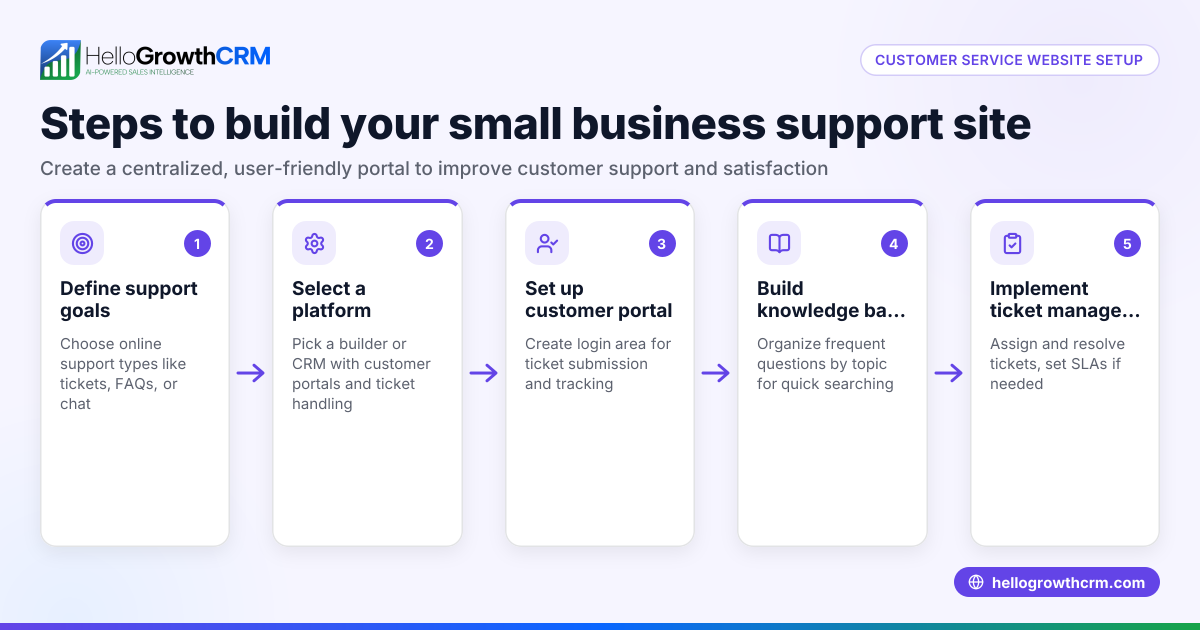
HelloGrowthCRM supports managing the customer feedback loop by keeping service requests and support tickets on the same customer record as the deal. This keeps feedback and service history connected, making it easier to track and act on customer issues. The built-in customer portal allows customers to submit requests and access a knowledge base, while referral tracking helps grow your business through satisfied clients. Learn more about these features at HelloGrowthCRM for the United States.
Frequently asked questions
What is the main benefit of a customer feedback loop? A customer feedback loop helps businesses improve products and services continuously, leading to higher customer satisfaction and loyalty. It also helps spot problems early and adapt quickly.
How often should I collect customer feedback? Regularly but not overwhelmingly. Many businesses collect feedback after key events like a purchase or support interaction, then periodically through surveys or check-ins.
Can I automate parts of the feedback loop? Yes, automation can help send surveys, collect responses, and trigger follow-ups via email or WhatsApp. Tools like HelloGrowthCRM support these workflows.
How do I encourage customers to give feedback? Make it easy and convenient with short surveys or direct messages. Offer clear value by explaining how their input improves service. Referral programs can also motivate feedback.
What if I get negative feedback? Negative feedback is valuable. Use it to identify issues and show customers you care by acting quickly and communicating changes.
Key takeaways
- A customer feedback loop is a continuous cycle of collecting, analyzing, acting on, and communicating customer feedback.
- Centralizing feedback and linking it to customer records improves follow-up and action.
- Closing the loop by informing customers about changes builds trust and loyalty.
- Avoid common mistakes like ignoring feedback channels or failing to act.
- Tools like HelloGrowthCRM support managing feedback with tickets, customer portals, and referral tracking.
Start building your customer feedback loop today to keep your business responsive and growing. Start on the Free Forever plan (200 leads, no credit card).
Ready to put this into practice?
Set up your pipeline, WhatsApp follow-ups, and AI lead scoring in minutes — free, no credit card.
Try HelloGrowthCRM freeGet CRM tips in your inbox
Join thousands of sales professionals who get weekly insights on CRM strategy, AI automation, and pipeline optimization.

The HelloGrowthCRM team publishes guides on CRM strategy, AI sales tools, and revenue operations for small business sales teams.