HelloGrowthCRM software
Built for real small-business sales teams
HelloGrowthCRM helps reps qualify faster, follow up on time, and close more deals—with practical automation in one place.
- AI lead scoring and pipeline visibility
- Built-in dialer, WhatsApp, and email automation
- Sales forecasting and RevOps-ready reporting
A customer lifecycle marketing strategy is a plan that guides your interactions with customers throughout their journey—from initial awareness and acquisition to retention and advocacy. It focuses on delivering tailored messages and offers at each stage to maximize customer value and loyalty. This article covers why small businesses need this strategy, how to create one step-by-step, a detailed example, common pitfalls, and how HelloGrowthCRM can help manage the process.
Why this comes up / what goes wrong
Small business owners often face challenges in staying organized and consistent with customer engagement. Leads may come from multiple sources like web forms, text messages, or emails, but without a clear strategy, follow-up can be delayed or irrelevant. This leads to lost sales opportunities and weaker customer loyalty. Managing customer communication and service requests across spreadsheets or messaging apps makes it harder to keep track. Without a customer lifecycle marketing strategy, businesses miss chances to nurture prospects, encourage repeat purchases, and build referrals.
Step-by-step
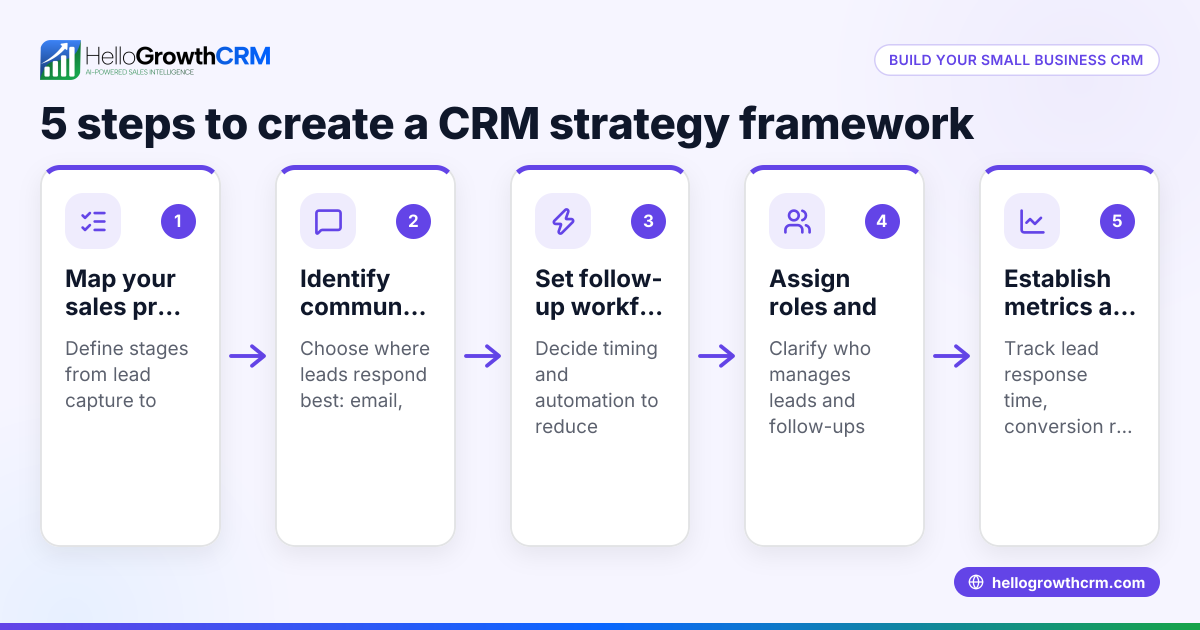
- Map the Customer Lifecycle Stages: Identify key phases your customers go through, such as Awareness, Consideration, Purchase, Retention, and Advocacy. Check that these stages reflect your specific sales process.
- Define Goals for Each Stage: Decide what you want to achieve at each stage, like generating leads, closing sales, or increasing repeat business. Confirm these goals align with your overall business objectives.
- Develop Targeted Messaging and Offers: Create content, promotions, or communications tailored to each stage. Check that messages address customer needs and pain points effectively.
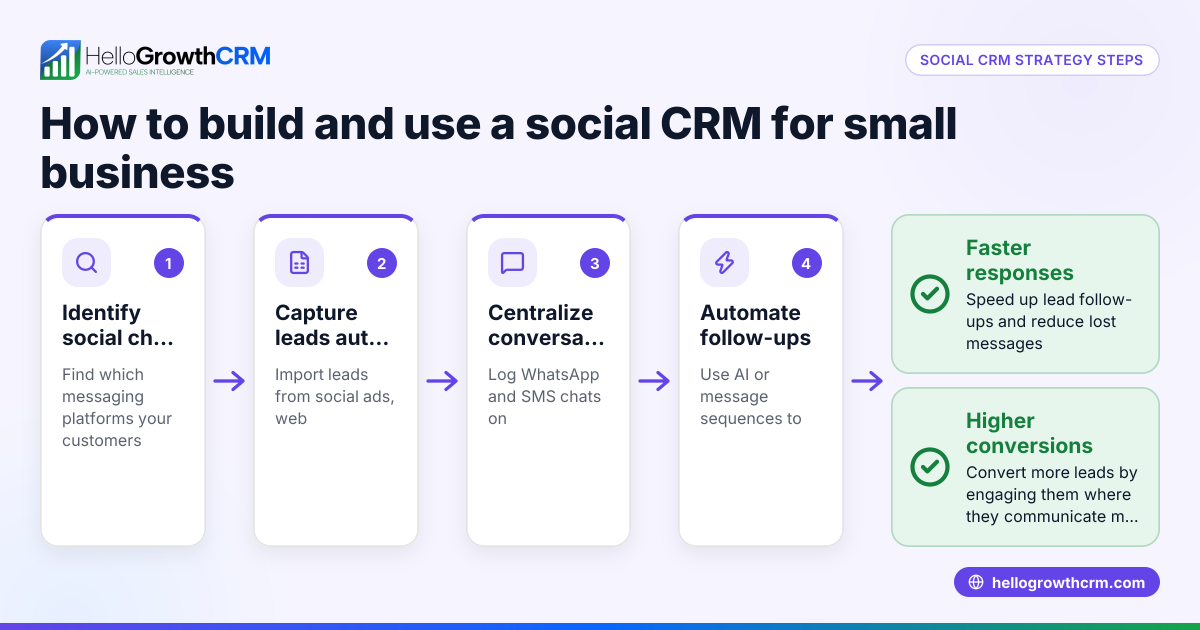
- Choose Communication Channels: Select the best ways to reach customers at each stage, such as WhatsApp, SMS, email, or phone calls. Verify your team can manage these channels efficiently; for example, see WhatsApp and SMS CRM.
- Set Up Tracking and Metrics: Establish how you will measure success at each stage, like lead response time, conversion rates, or customer retention. Check that you have tools to collect and analyze this data.
- Implement Automation and Follow-Up Sequences: Use tools to automate message sequences and reminders for timely follow-up. Ensure sequences are personalized and adaptable.
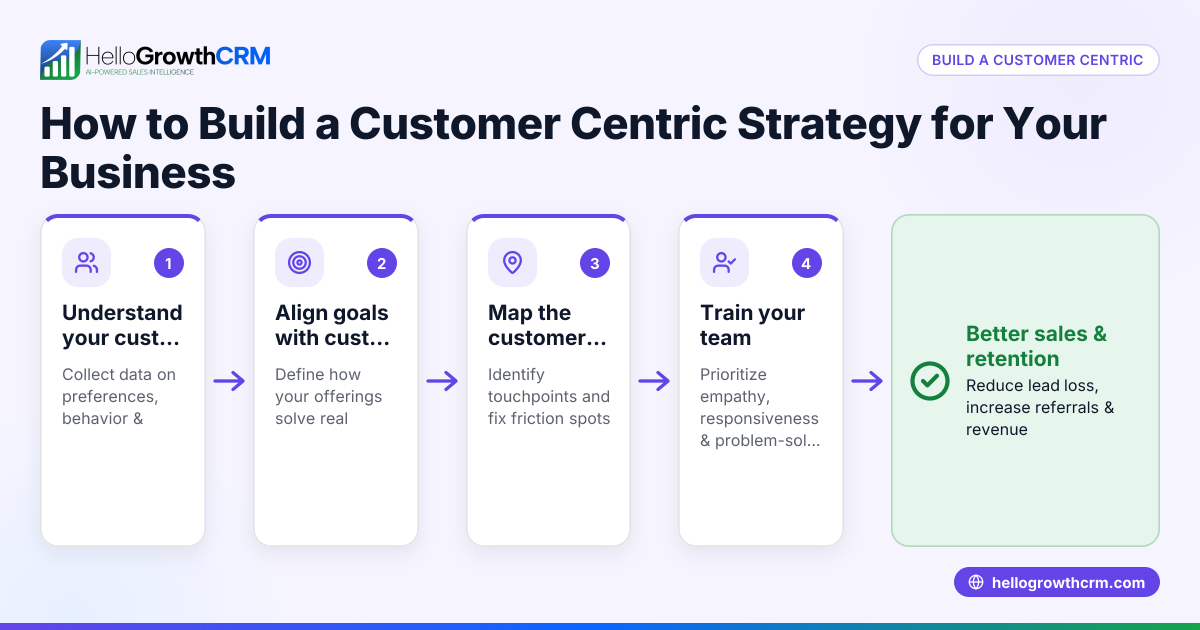
- Train Your Team and Assign Responsibilities: Make sure everyone understands the lifecycle stages and their role in moving customers forward. Check for clarity in task assignments.
- Review and Optimize Regularly: Monitor performance and customer feedback to refine messaging, channels, and processes. Confirm improvements lead to better engagement and sales.
Example (fictional figures)
GreenScape Landscaping is a small landscaping contractor based in Charlotte, North Carolina. They start applying a customer lifecycle marketing strategy on 07/01/2026.
- Goal: Generate 100 new leads per month.
- Conversion rate from lead to customer: 10% (assumed illustrative rate).
- Average sale per customer: $2,500.
- Retention goal: Encourage repeat business from existing customers.
Calculations:
Leads per month = 100
New customers per month = 100 × 10% = 10
Monthly revenue from new customers = 10 × $2,500 = $25,000
Annual revenue from new customers = $25,000 × 12 = $300,000
Assuming 20% of customers return for additional services within 12 months (assumed illustrative rate):
Returning customers per year = 10 × 12 × 20% = 24
Revenue from returning customers per year = 24 × $2,500 = $60,000
Total annual revenue = $300,000 + $60,000 = $360,000
This example shows how focusing on lifecycle stages and retention can increase revenue beyond just new sales.
Common mistakes
- Ignoring post-sale engagement: Prevent this by including retention and advocacy stages in your strategy and tracking service requests on the same customer record.
- Using too many communication channels without focus: Prevent by selecting channels your team can manage well, such as WhatsApp and SMS, as explained in WhatsApp and SMS CRM.
- Failing to assign clear responsibilities: Prevent by training your team and defining roles for each lifecycle stage.
- Not measuring results consistently: Prevent by setting up clear metrics and reviewing them regularly.
- Overlooking customer feedback and support tickets: Prevent by integrating service requests and support tickets in the customer record to improve retention, as supported by HelloGrowthCRM features described below.
Doing this in HelloGrowthCRM
HelloGrowthCRM supports your customer lifecycle marketing strategy by keeping service requests, support tickets, and knowledge base articles linked to the same customer record as the deal. This helps your team manage post-sale service efficiently and maintain customer satisfaction. The platform also offers a branded self-service customer portal and referral program tracking to encourage advocacy. Learn more about these features at HelloGrowthCRM for the United States.
Frequently asked questions
What is the difference between customer lifecycle marketing and traditional marketing? Customer lifecycle marketing focuses on engaging customers at each stage of their journey with personalized messages and offers. Traditional marketing often targets broad audiences without segmenting by lifecycle stage.
How do I measure the success of my customer lifecycle marketing strategy? Track key metrics like lead response time, conversion rates, repeat purchase rates, and customer referral numbers. Regularly analyze these to optimize your strategy.
Can small businesses use WhatsApp for customer lifecycle marketing? Yes, WhatsApp is effective for personalized communication and follow-up. Using a CRM with WhatsApp integration, like HelloGrowthCRM, can streamline managing messages and sequences. See WhatsApp and SMS CRM for details.
How often should I update my customer lifecycle marketing strategy? Review your strategy at least quarterly or whenever you notice changes in customer behavior or business goals to keep it effective.
What role do support tickets play in lifecycle marketing? Handling support tickets efficiently improves customer satisfaction and retention. Keeping tickets linked to the customer record helps your team provide consistent service, supported by HelloGrowthCRM’s ticket and knowledge base features.
Key takeaways
- A customer lifecycle marketing strategy guides customer engagement at every stage.
- Define clear stages, goals, messages, and channels tailored to your business.
- Track performance and optimize regularly to improve results.
- Avoid common mistakes like neglecting post-sale service and unclear team roles.
- HelloGrowthCRM helps manage customer records, service tickets, and referrals to support lifecycle marketing.
Start your customer lifecycle marketing strategy today and manage it efficiently with HelloGrowthCRM. Start on the Free Forever plan (200 leads, no credit card).
Ready to put this into practice?
Set up your pipeline, WhatsApp follow-ups, and AI lead scoring in minutes — free, no credit card.
Try HelloGrowthCRM freeGet CRM tips in your inbox
Join thousands of sales professionals who get weekly insights on CRM strategy, AI automation, and pipeline optimization.

The HelloGrowthCRM team publishes guides on CRM strategy, AI sales tools, and revenue operations for small business sales teams.