HelloGrowthCRM software
Built for real small-business sales teams
HelloGrowthCRM helps reps qualify faster, follow up on time, and close more deals—with practical automation in one place.
- AI lead scoring and pipeline visibility
- Built-in dialer, WhatsApp, and email automation
- Sales forecasting and RevOps-ready reporting
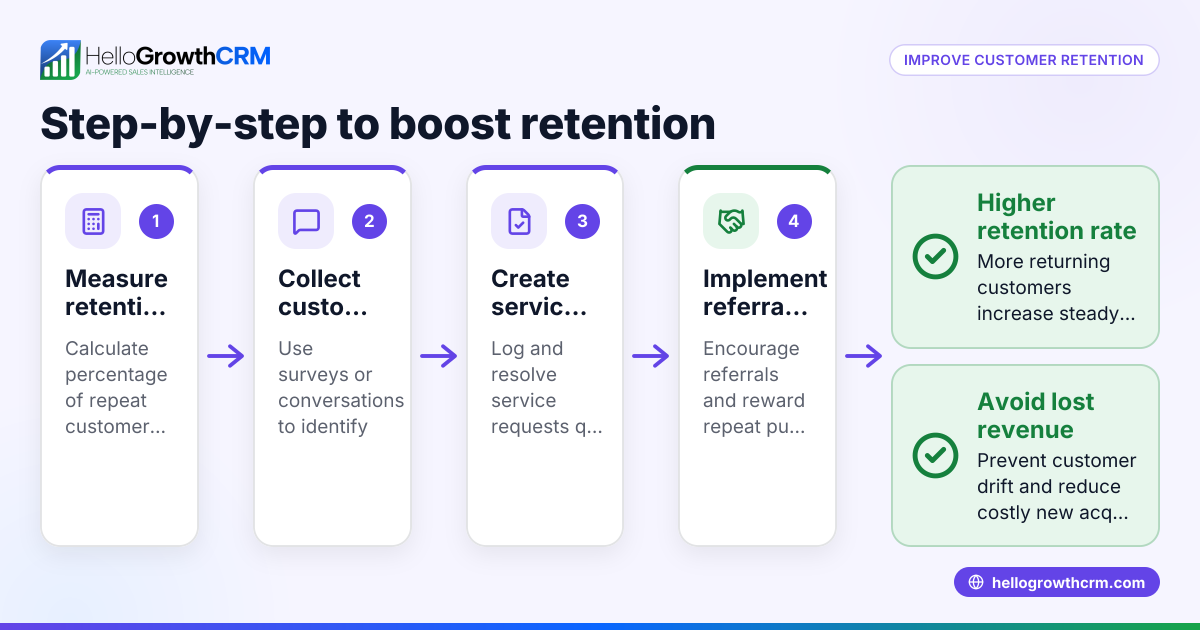
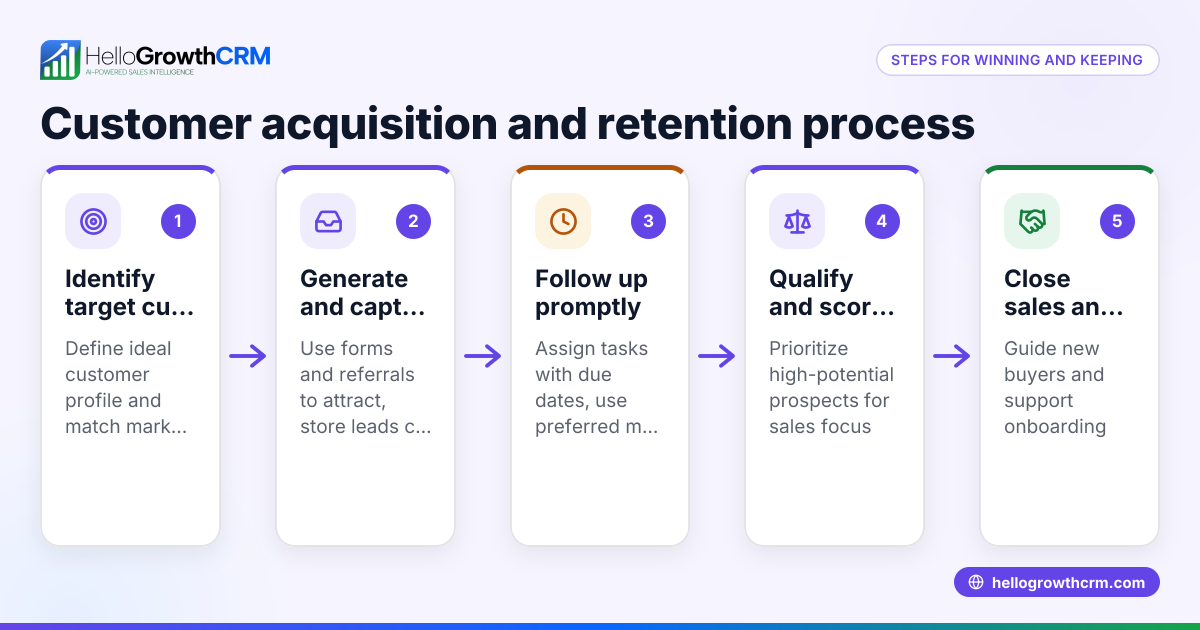
Customer retention programs are built on the idea that keeping your existing customers engaged and satisfied is more valuable than constantly seeking new ones. The core concept is maintaining ongoing relationships that encourage repeat purchases and loyalty through personalized communication, support, and rewards. This approach reduces customer churn and increases lifetime value.
Why this comes up / what goes wrong
Small business owners often attract new customers but struggle to keep them returning. This leads to inconsistent sales and wasted marketing budgets. The main issue is a lack of structured follow-up and ongoing engagement after the first sale. Customers may feel neglected if they don’t receive personalized offers, timely support, or easy ways to interact with the business. Many owners rely on disconnected tools like text messages, emails, and spreadsheets, which cause slow responses and lost opportunities. Understanding the concept behind retention programs helps shift focus from one-time sales to building long-term customer loyalty.
Step-by-step
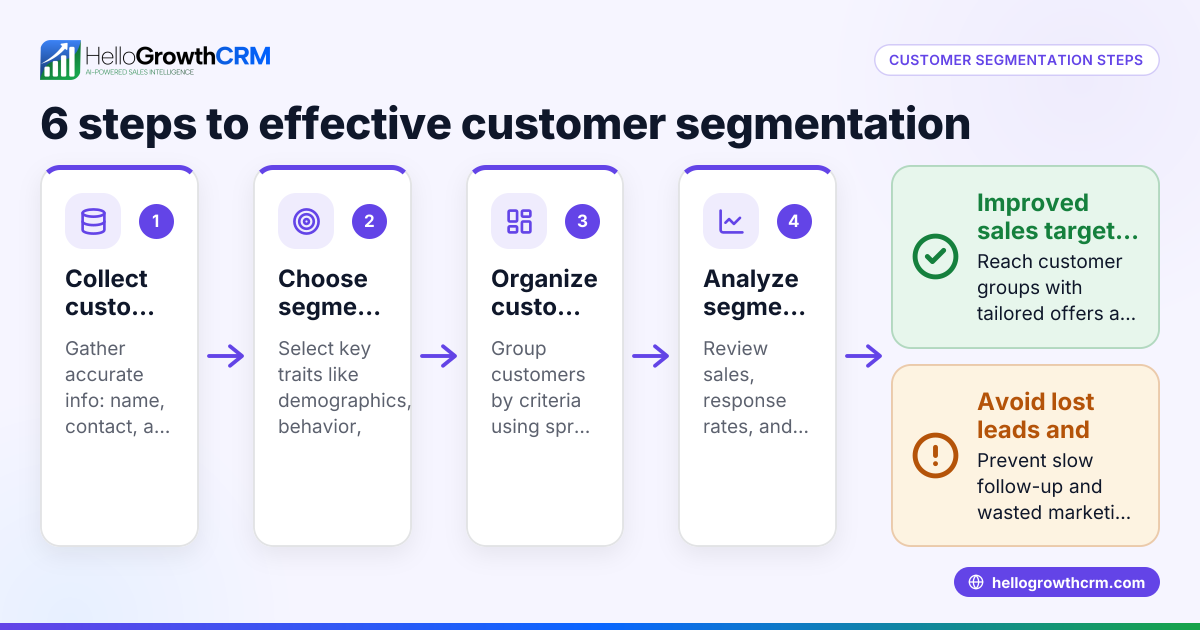
- Collect and organize customer data: Gather contact details, purchase history, and communication preferences in one place. Avoid scattered notes by using a centralized system.
- Segment your customers: Group customers by behavior, purchase frequency, or value to target communications effectively.
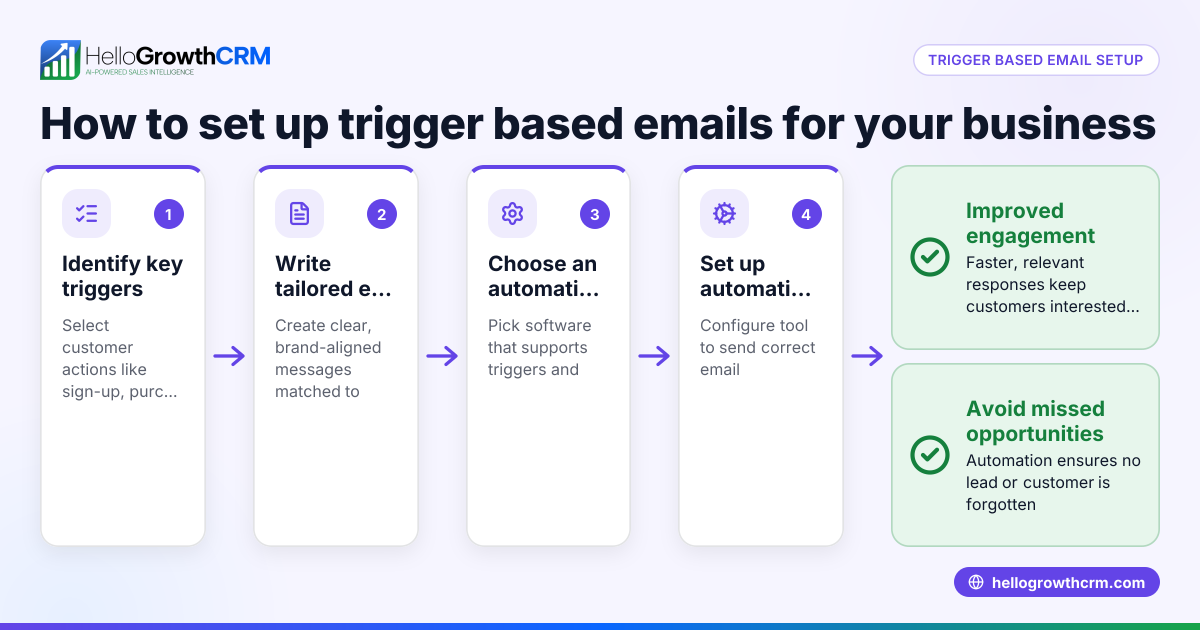
- Create personalized communication sequences: Use email, WhatsApp, or SMS to send follow-ups, offers, and useful content. Automate these sequences to keep contact consistent.
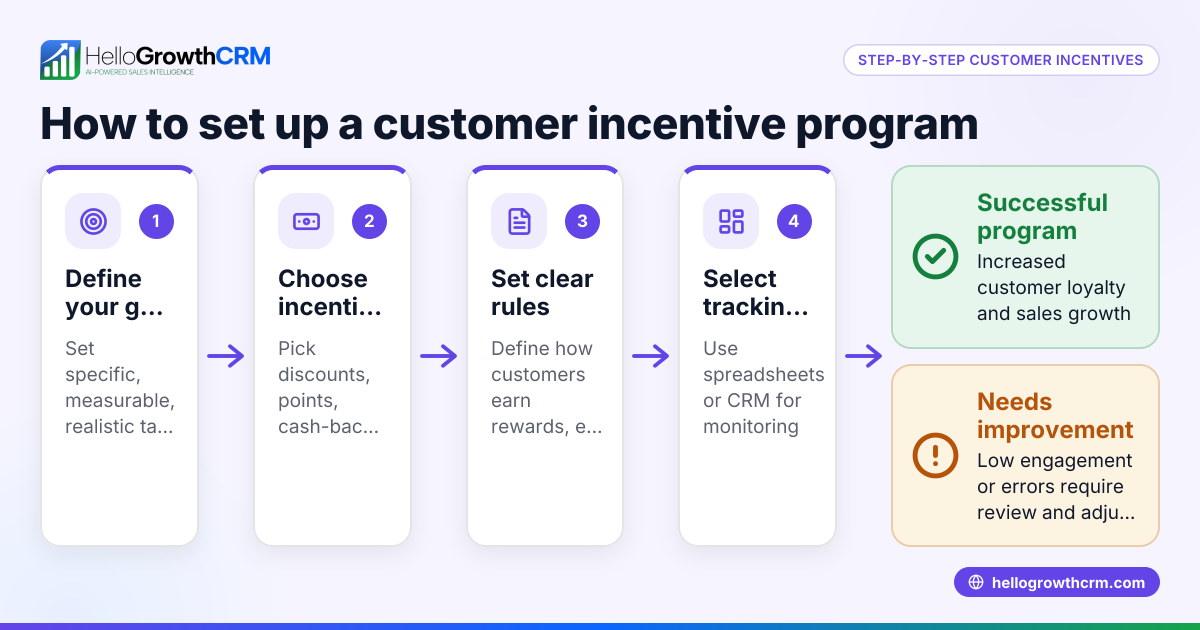
- Offer incentives and rewards: Implement loyalty discounts, referral programs, or exclusive access to encourage repeat business.
- Provide excellent post-sale support: Use a customer portal and ticket system to quickly resolve issues and answer questions.
- Track customer engagement and health: Monitor interactions and purchases to identify customers at risk of leaving.
- Ask for feedback and referrals: Use surveys or direct requests to improve service and grow your customer base.
- Review and adjust your program regularly: Analyze results and refine messaging, offers, and support.
Following these steps creates a retention program that nurtures customer relationships and maximizes lifetime value. For more on tracking engagement, see customer health score.
Example (fictional figures)
A two-location dental practice in Columbus, Ohio, starts a retention program on 01/15/2026.
- Total patients: 1,500
- Average revenue per patient per year: $600
They send appointment reminders and personalized oral care tips via WhatsApp and SMS.
Assuming 10% of patients respond and book an additional cleaning worth $150 each:
Number of patients responding = 1,500 × 10% = 150
Additional revenue = 150 × $150 = $22,500
If the retention program costs $5,000 annually:
Net gain = $22,500 - $5,000 = $17,500
This shows how a retention program can increase revenue by encouraging repeat visits.
Common mistakes
- Ignoring customer segmentation: Sending identical messages reduces relevance. Prevent this by grouping customers and tailoring communication. See WhatsApp and SMS CRM for targeted messaging.
- Failing to follow up promptly: Slow responses cause customers to lose interest. Use automated sequences to maintain timely contact.
- Neglecting post-sale support: Without easy access to help, customers get frustrated. Implement a customer portal and ticket system to resolve issues quickly.
- Overlooking referral programs: Missing out on referrals limits growth. Track referrals to reward loyal customers effectively.
- Not measuring retention efforts: Without tracking engagement and sales impact, you can't improve. Use tools to monitor customer health and program results.
- Relying solely on spreadsheets and email: This causes scattered data and slow follow-up. Centralize customer info for better management.
Doing this in HelloGrowthCRM
HelloGrowthCRM includes a branded self-service customer portal, referral program tracking, support tickets, and a knowledge base. These features keep service requests linked to the same customer record as the deal, helping small businesses manage post-sale support and maintain ongoing customer relationships effectively. Learn more about HelloGrowthCRM for the United States here.
Frequently asked questions
What is the main goal of a customer retention program? The main goal is to keep existing customers engaged and satisfied so they continue buying and referring others. Retention programs focus on long-term relationships rather than one-time sales.
How do I measure if my retention program is working? Track repeat purchase rates, customer engagement metrics, and referral counts. Monitoring a customer health score can also indicate which customers are active or at risk.
Can small businesses run retention programs without complex software? Yes, but managing data manually increases risk of errors and slow follow-up. Using tools like HelloGrowthCRM can automate communication and centralize customer info, making retention easier.
What role do referrals play in retention? Referrals turn loyal customers into advocates, helping you grow your customer base cost-effectively. Tracking referrals ensures you can reward and encourage this behavior.
How often should I communicate with customers in a retention program? Frequency depends on your business and customer preferences. Regular but not intrusive contact, such as monthly updates or timely reminders, works well.
Key takeaways
- Customer retention programs focus on building ongoing relationships to encourage repeat business.
- Organize customer data, segment your audience, and personalize communication for best results.
- Provide excellent post-sale support through portals and ticket systems.
- Track customer engagement and referrals to measure success and refine your approach.
- Avoid common mistakes like ignoring segmentation or slow follow-up by using CRM tools.
Start building your customer retention program today. For a practical way to manage ongoing customer relationships and support, try HelloGrowthCRM. You can Start on the Free Forever plan (200 leads, no credit card).
Ready to put this into practice?
Set up your pipeline, WhatsApp follow-ups, and AI lead scoring in minutes — free, no credit card.
Try HelloGrowthCRM freeGet CRM tips in your inbox
Join thousands of sales professionals who get weekly insights on CRM strategy, AI automation, and pipeline optimization.

The HelloGrowthCRM team publishes guides on CRM strategy, AI sales tools, and revenue operations for small business sales teams.