HelloGrowthCRM software
Built for real small-business sales teams
HelloGrowthCRM helps reps qualify faster, follow up on time, and close more deals—with practical automation in one place.
- AI lead scoring and pipeline visibility
- Built-in dialer, WhatsApp, and email automation
- Sales forecasting and RevOps-ready reporting
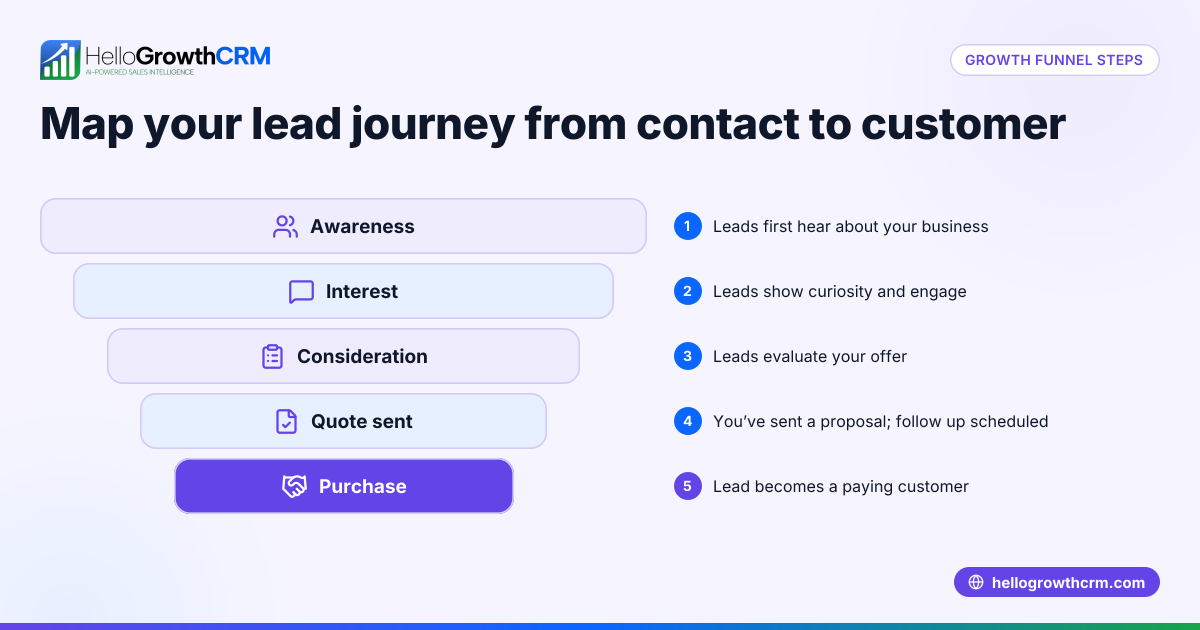
A demand generation funnel is a structured approach to attracting and nurturing potential customers until they are ready to buy. It starts by generating awareness and interest, then moves prospects through stages such as engagement, qualification, and finally sales opportunity. This funnel helps small businesses organize marketing and sales efforts to avoid losing leads and improve conversion rates.
Why this comes up / what goes wrong
Small-business owners often struggle with slow or inconsistent follow-up, causing leads that showed initial interest to slip away. Without a clear funnel, marketing efforts may generate interest, but leads get lost in emails, texts, or spreadsheets. This results in wasted time and missed revenue opportunities. Understanding and implementing a demand generation funnel helps businesses track prospects systematically, ensuring timely follow-up and boosting sales efficiency.
Step-by-step
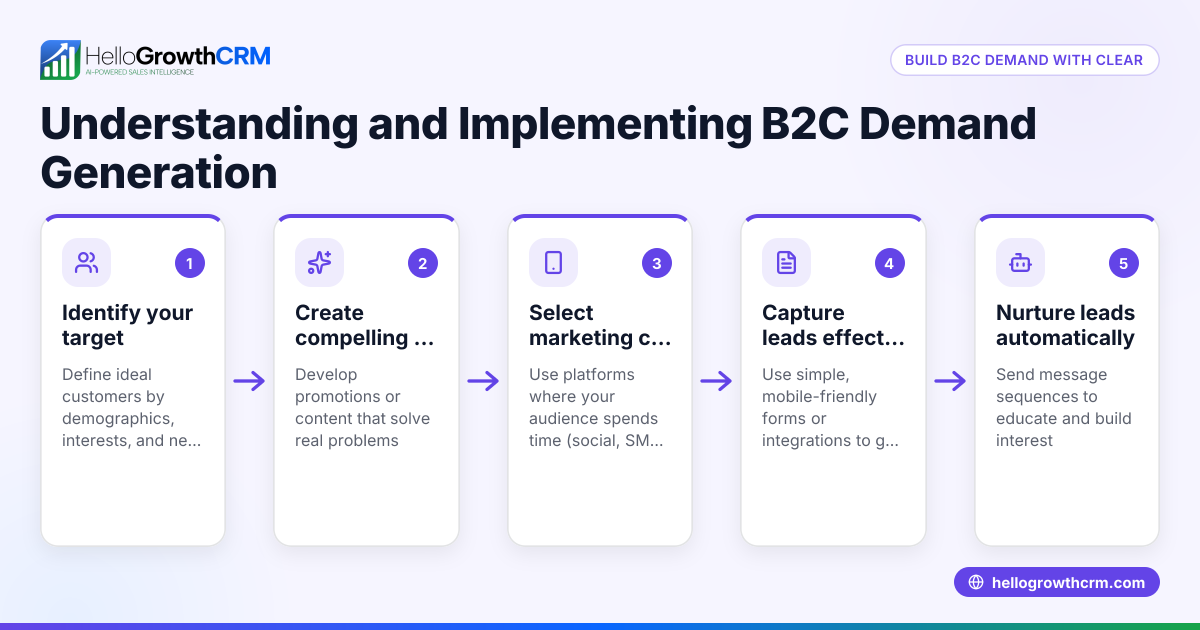
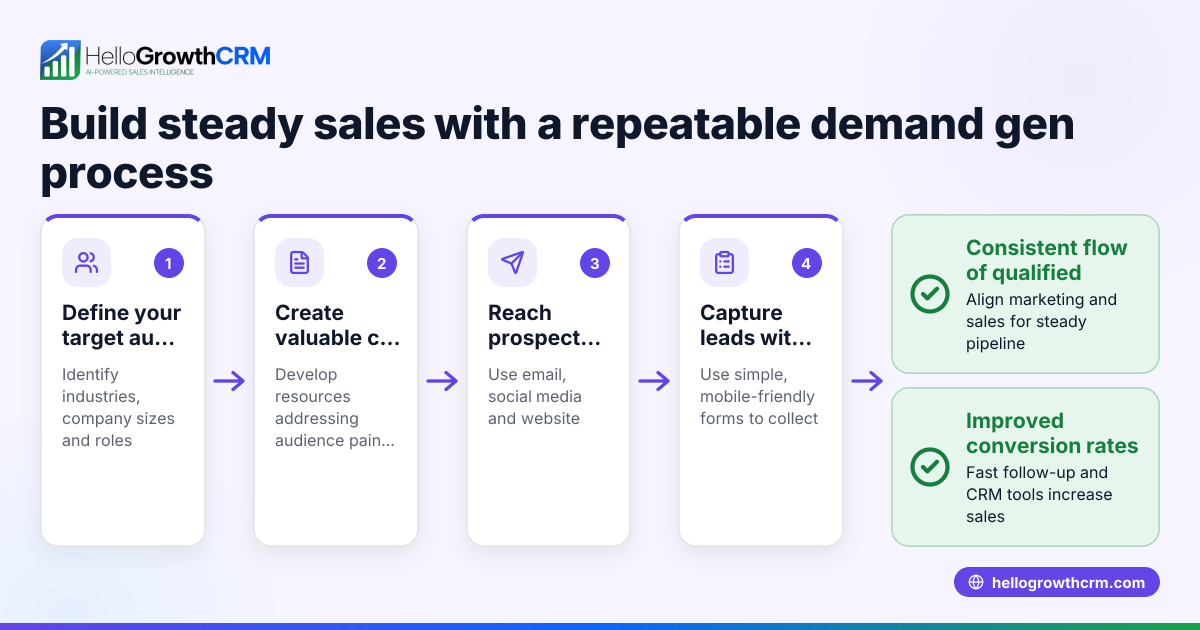
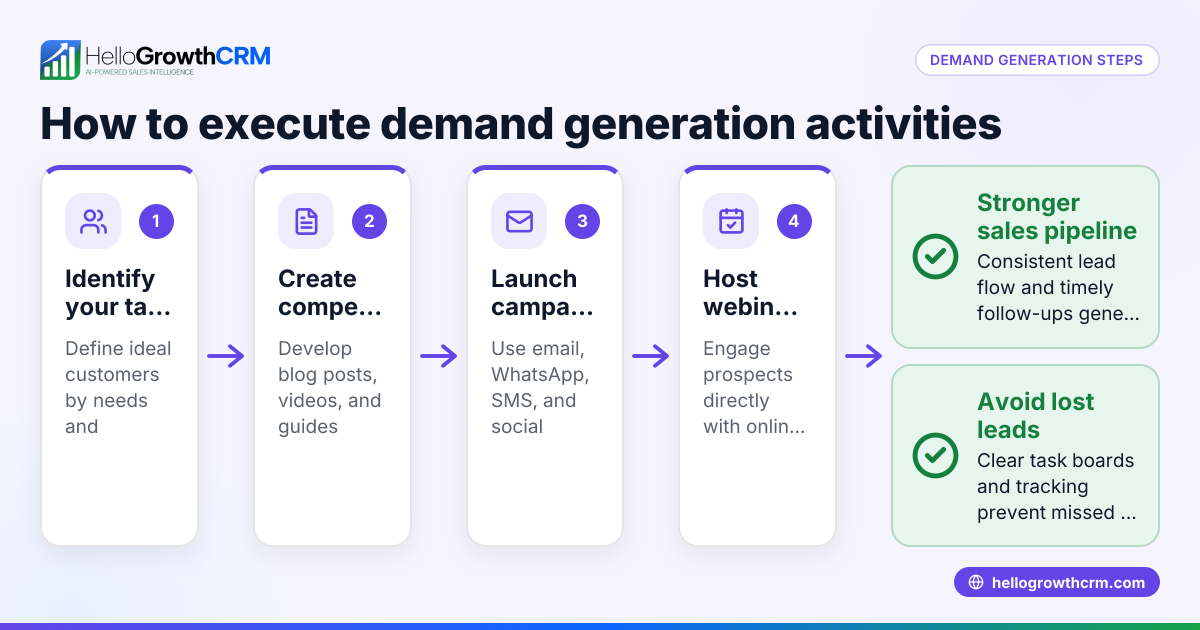
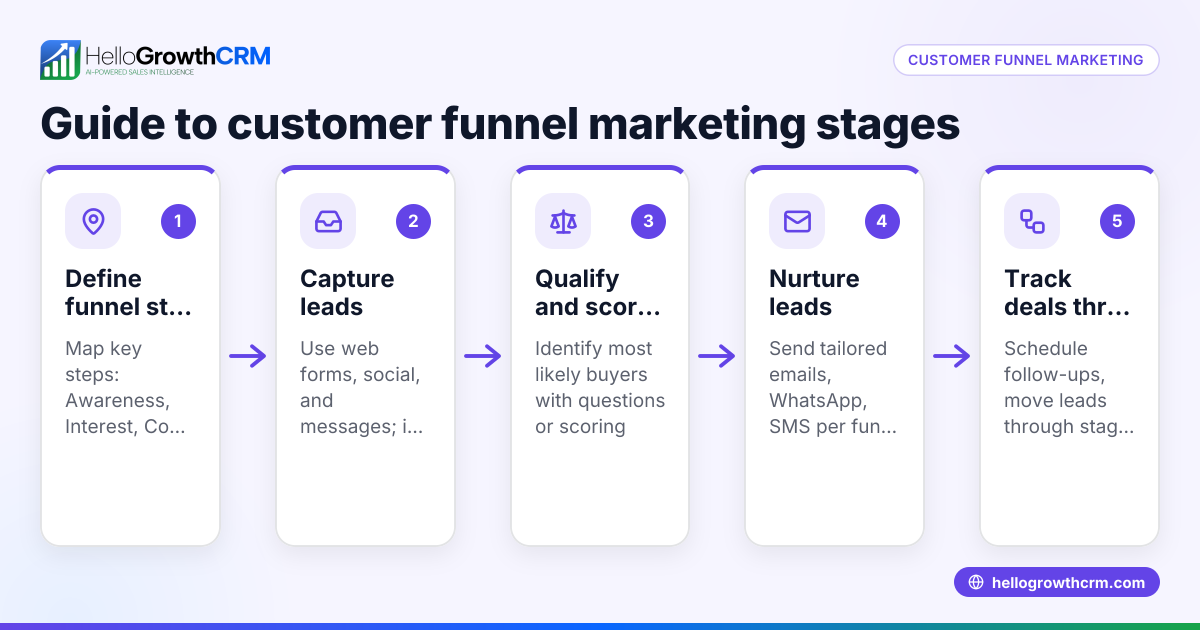
- Attract Awareness: Use content marketing, social media, ads, or events to make your target audience aware of your product or service. Check that your messaging clearly addresses customer pain points and reaches the right audience.
- Capture Interest: Offer valuable content like guides, webinars, or demos in exchange for contact details. Verify that your lead capture forms are easy to find, mobile-friendly, and simple to complete.
- Engage and Educate: Send personalized emails, WhatsApp messages, or SMS sequences that provide useful information and build trust. Monitor open and response rates to adjust messaging and timing.
- Qualify Leads: Use criteria such as budget, need, and timing to identify which leads are ready for sales. Check that your qualification process is consistent, documented, and communicated to your team.
- Create Sales Opportunities: Move qualified leads into a sales pipeline as deals with clear stages and follow-up dates. Confirm each deal has assigned tasks and next steps to keep the process moving.
- Close and Follow Up: Work with the prospect to finalize the sale and schedule ongoing communication for upsells or referrals. Ensure closed deals are tracked and analyzed for future improvements.
Example (fictional figures)
A B2B software reseller in Denver, Colorado, starts a demand generation funnel on 01/01/2026.
- They attract 1,000 visitors to their website via ads and content.
- 150 visitors fill out a demo request form: 1,000 × 15% = 150 leads
- Of those, 60 are qualified after a sales call: 150 × 40% = 60 qualified leads
- 30 qualified leads receive quotes and move to the 'quote sent' stage.
- 15 deals close, each averaging $10,000 in revenue: 15 × $10,000 = $150,000 total sales
This funnel shows how many prospects move through each stage and the revenue generated, helping the business measure effectiveness and forecast sales.
Common mistakes
- Ignoring lead follow-up: Leads lose interest if not contacted promptly. Prevent this by setting follow-up reminders and using a system to track next steps.
- Unclear qualification criteria: Pursuing unqualified leads wastes time. Define and document your qualification standards and train your team accordingly.
- Scattered data management: Using spreadsheets or emails leads to lost or duplicated information. Centralize data in a CRM to keep everything organized.
- One-size-fits-all messaging: Generic messages reduce engagement. Personalize communication based on lead behavior and preferences.
- No tracking of funnel stages: Without tracking, bottlenecks go unnoticed. Use pipeline stages to monitor progress and identify areas needing attention.
Doing this in HelloGrowthCRM
HelloGrowthCRM offers Deals (pipeline), a tool for tracking open opportunities from first contact through close. For example, a quotation sent last week shows up as a deal at the 'quote sent' stage with a follow-up date, so it is not forgotten. This helps small and mid-sized businesses keep every lead visible and manage follow-ups efficiently. Learn more about HelloGrowthCRM for the United States and its WhatsApp and SMS CRM features. The built-in CRM dialer also streamlines calling prospects directly from your pipeline.
Frequently asked questions
What is the difference between a demand generation funnel and a sales funnel? A demand generation funnel focuses on creating awareness and interest to generate qualified leads, while a sales funnel tracks those leads through closing deals. Demand generation feeds the sales funnel with prospects ready for sales engagement.
How long does it take to build a demand generation funnel? Building a funnel can take weeks to months depending on your marketing channels and sales cycle. Start with simple steps like lead capture and follow-up, then refine your process over time.
Can I use WhatsApp for demand generation? Yes, WhatsApp is effective for engaging leads with personalized messages and sequences. HelloGrowthCRM integrates WhatsApp and SMS to automate and track this communication.
How do I measure the success of my demand generation funnel? Track metrics such as website visitors, lead capture rates, qualification rates, and closed deals. Monitoring conversion rates at each funnel stage helps identify areas for improvement.
Is a CRM necessary for managing a demand generation funnel? While not mandatory, a CRM centralizes lead data, automates follow-ups, and tracks pipeline stages, making your funnel easier to manage and more effective.
Key takeaways
- A demand generation funnel guides prospects from awareness to sales-ready leads.
- Clear stages and qualification criteria prevent lost or ignored leads.
- Use personalized communication and timely follow-up to nurture interest.
- Avoid scattered data by centralizing leads in a CRM pipeline.
- Tracking funnel metrics reveals opportunities to improve your sales process.
- HelloGrowthCRM's Deals (pipeline) feature helps you stay organized and follow up on every opportunity.
Start building your demand generation funnel today and keep every lead on track. You can Start on the Free Forever plan (200 leads, no credit card) to organize your sales pipeline and follow-ups with HelloGrowthCRM.
Ready to put this into practice?
Set up your pipeline, WhatsApp follow-ups, and AI lead scoring in minutes — free, no credit card.
Try HelloGrowthCRM freeGet CRM tips in your inbox
Join thousands of sales professionals who get weekly insights on CRM strategy, AI automation, and pipeline optimization.

The HelloGrowthCRM team publishes guides on CRM strategy, AI sales tools, and revenue operations for small business sales teams.