HelloGrowthCRM software
Built for real small-business sales teams
HelloGrowthCRM helps reps qualify faster, follow up on time, and close more deals—with practical automation in one place.
- AI lead scoring and pipeline visibility
- Built-in dialer, WhatsApp, and email automation
- Sales forecasting and RevOps-ready reporting
Email headings, often called subject lines, are the first text your recipient sees in their inbox. They give a quick preview of what the email is about and help the recipient decide whether to open it. For small business owners, creating clear and compelling email headings improves open rates, speeds up responses, and reduces lost leads.
Why this comes up / what goes wrong
Small business owners frequently send emails to prospects, clients, or suppliers. However, they often face low reply rates or slow follow-up. One major reason is weak or unclear email headings that fail to capture attention or convey urgency. This issue worsens when sales teams rely on scattered tools like text messages, email, and spreadsheets without a unified system. Without effective email headings, important messages get ignored or delayed, leading to lost sales opportunities and inefficient communication.
Step-by-step
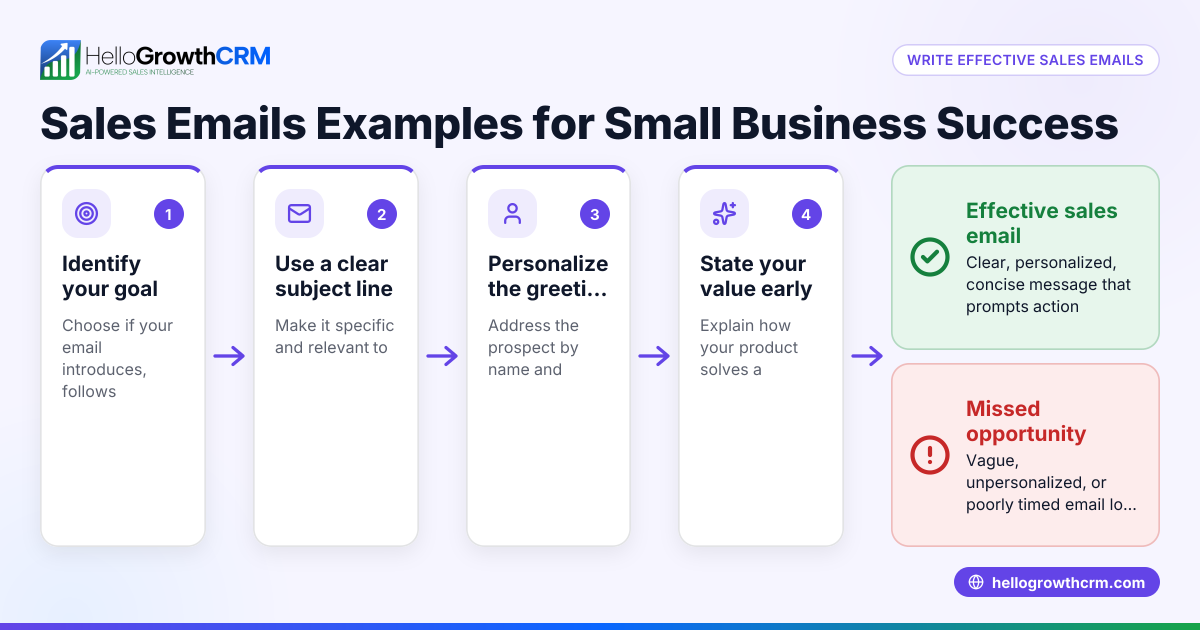
- Identify the purpose of your email: Decide if your email is a quotation, follow-up, introduction, or request. This clarity helps you craft a relevant heading.
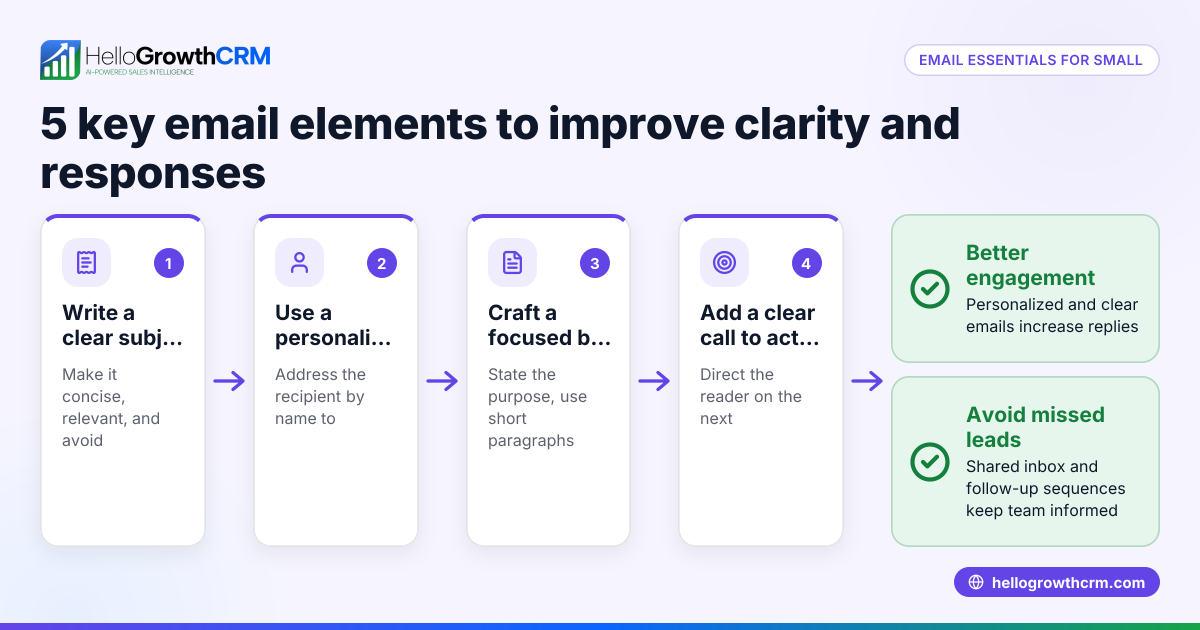
- Keep it concise and specific: Use 5 to 8 words that clearly describe the email’s content or call to action.
- Include key details if relevant: Mention dates, amounts, or names if they help the recipient understand the email quickly.
- Use action-oriented language: Words like “Confirm,” “Request,” “Update,” or “Reminder” encourage the recipient to act.
- Avoid vague or generic headings: Stay away from phrases like “Hello” or “Checking in” that don’t inform.
- Test different headings for important emails: If possible, use A/B testing in your email sequences to find what works best (see email automation and sequences).
- Review before sending: Double-check spelling, grammar, and clarity.
Example (fictional figures)
A plumbing company in Austin, Texas, sends a quotation email with the heading:
“Quotation for Leak Repair - $1,250 - Due 07/15/2026”
This heading clearly states:
- The purpose: Quotation
- The service: Leak Repair
- The amount: $1,250
- The deadline: 07/15/2026
This helps the recipient prioritize and respond quickly.
The company’s invoice totals $1,250. They include a 10% deposit request in the email heading for clarity:
Deposit requested: $1,250 × 10% = $125
The remaining balance is:
$1,250 − $125 = $1,125
By including these figures in the heading or body, the customer understands payment expectations clearly.
Common mistakes
- Too long or complicated headings: Long headings get cut off in inbox previews. Prevent this by limiting your heading to about 50 characters.
- Missing key information: Without amounts, dates, or purpose, recipients may ignore the email. Prevent this by including essential details.
- Using all caps or excessive punctuation: This looks like spam and reduces trust. Prevent by using normal sentence case and minimal punctuation.
- Not aligning heading with email content: Misleading headings frustrate recipients and harm your credibility. Prevent by matching the heading closely with the message body.
- Ignoring follow-up headings: When sending follow-ups, update the heading to reflect progress or urgency. Prevent by adjusting subject lines in sequences (email automation and sequences).
Doing this in HelloGrowthCRM
HelloGrowthCRM offers a shared inbox called HelloMail, where replies to quotation emails are visible to your entire team on the deal. This ensures everyone stays updated without switching apps. Additionally, you can set up sequences and campaigns to automate follow-ups with email headings that adapt based on recipient responses. A five-step follow-up over two weeks runs on its own and stops the moment the prospect replies, helping you maintain timely and consistent communication. Learn more at email automation and sequences.
Frequently asked questions
What is the difference between an email heading and a subject line? They are the same thing. The heading or subject line is the text that appears at the top of your email and in the recipient’s inbox preview.
How long should an email heading be? Aim for a concise subject line that fits inbox previews and keeps the message clear.
Can I use emojis in email headings? Emojis can draw attention but use them sparingly and only if appropriate for your audience. Overuse can look unprofessional or trigger spam filters.
How do I improve open rates with email headings? Use clear, specific language that reflects the email’s purpose. Personalizing headings with names or details can also help. Testing different headings in sequences can identify what works best (email automation and sequences).
Should I change the heading for follow-up emails? Yes. Updating the heading to reflect a follow-up or new information keeps the conversation fresh and signals urgency.
How does HelloGrowthCRM help with email management? HelloGrowthCRM’s HelloMail shared inbox lets your team view and respond to emails together, preventing missed replies. Automated sequences handle timed follow-ups with adaptable headings, improving your sales workflow. See WhatsApp and SMS CRM and HelloGrowthCRM for the United States for more context.
Key takeaways
- Email headings are the subject lines that summarize your email’s purpose.
- Clear, concise, and specific headings increase open and response rates.
- Include key details like amounts, dates, or actions to guide recipients.
- Avoid vague, too long, or misleading headings to maintain trust.
- Use automated sequences with tested headings to improve follow-up efficiency.
- HelloGrowthCRM’s HelloMail and sequences help teams manage email communication effectively.
To get started improving your email communication with effective headings and automated follow-ups, start on the Free Forever plan (200 leads, no credit card).
Ready to put this into practice?
Set up your pipeline, WhatsApp follow-ups, and AI lead scoring in minutes — free, no credit card.
Try HelloGrowthCRM freeGet CRM tips in your inbox
Join thousands of sales professionals who get weekly insights on CRM strategy, AI automation, and pipeline optimization.

The HelloGrowthCRM team publishes guides on CRM strategy, AI sales tools, and revenue operations for small business sales teams.