HelloGrowthCRM software
Built for real small-business sales teams
HelloGrowthCRM helps reps qualify faster, follow up on time, and close more deals—with practical automation in one place.
- AI lead scoring and pipeline visibility
- Built-in dialer, WhatsApp, and email automation
- Sales forecasting and RevOps-ready reporting
Email list building is the process of gathering email addresses from interested prospects and customers to create a direct communication channel for marketing, sales, and customer engagement. For small businesses, building this list means having a reliable way to reach potential buyers, nurture leads, and encourage repeat business.
Why this comes up / what goes wrong
Small-business owners often find themselves struggling to keep in touch with leads or customers because they rely on inconsistent methods like texting, spreadsheets, or scattered email contacts. Without a structured email list, follow-up can be slow or missed, causing lost sales opportunities. Many also don’t know how to start collecting emails legally and effectively, or how to organize and use the list once they have it.
Step-by-step
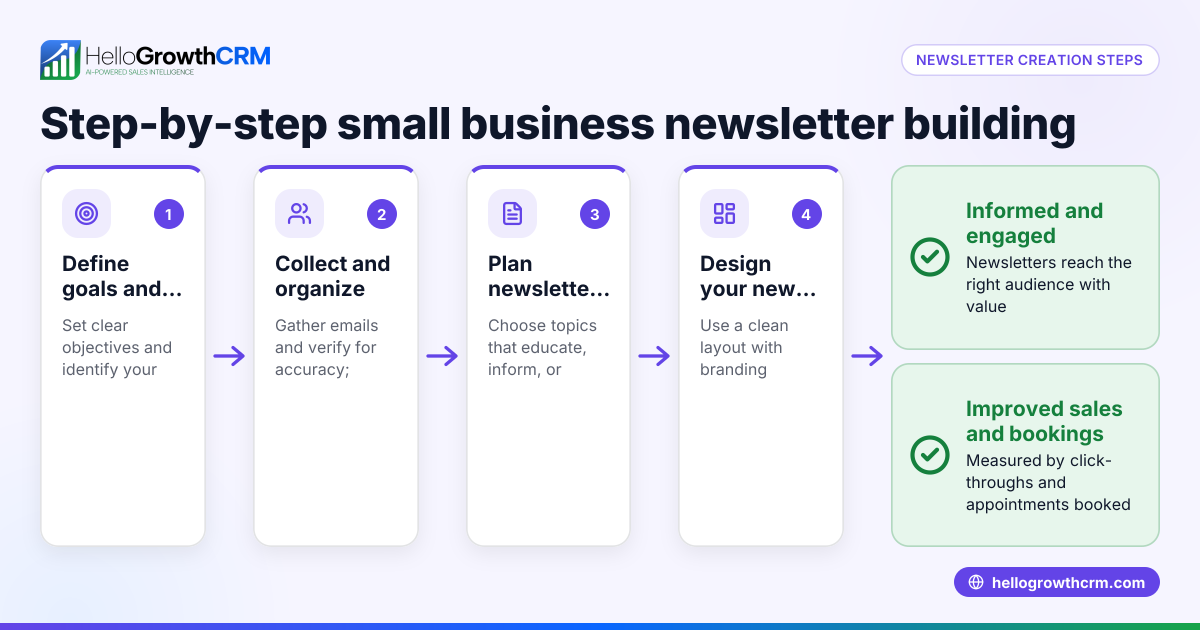
- Create a clear offer or incentive: Decide what you will give visitors in exchange for their email, such as a discount, free guide, or newsletter. Check that the offer is relevant and valuable to your target customers.
- Set up an email capture method: Use a web form on your website, a landing page, or social media sign-up forms to collect email addresses. Make sure the form is simple and asks only for necessary information (usually just the email).
- Ensure compliance with email laws: Include clear consent language explaining how you will use the email and allow easy opt-out. Follow CAN-SPAM and other US regulations.
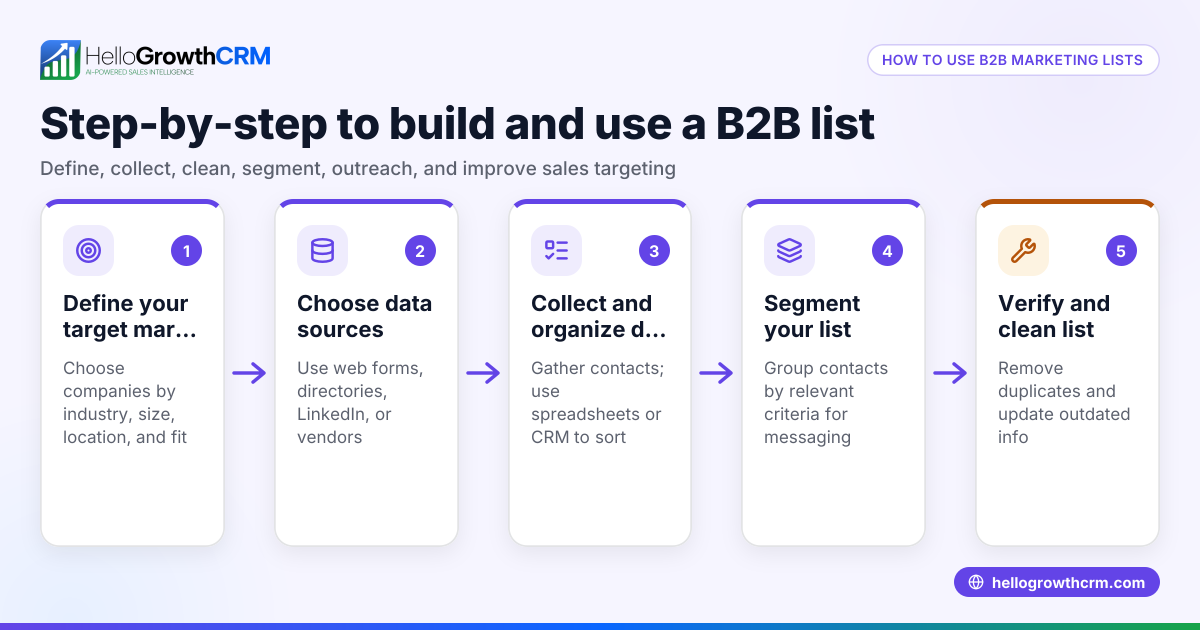
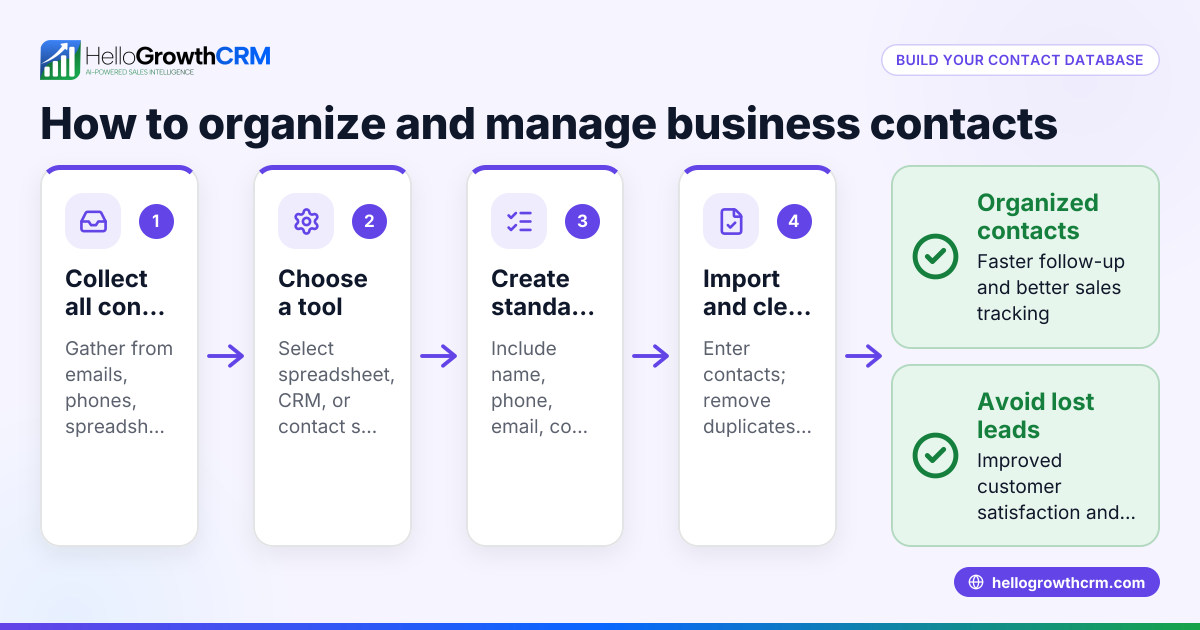
- Organize your list: Store collected emails in a dedicated tool or spreadsheet with tags or segments to separate new leads, customers, or different interest groups.
- Send a welcome email immediately: Once someone subscribes, send a friendly introduction message to confirm subscription and set expectations about future emails.
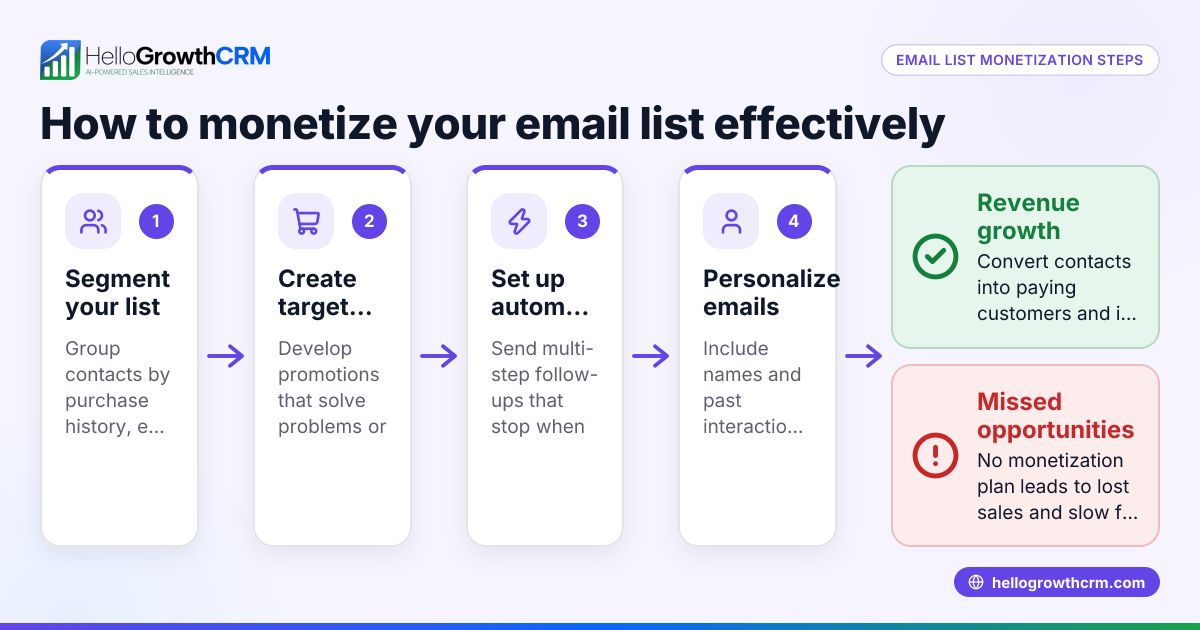
- Plan regular email campaigns or sequences: Schedule ongoing emails such as newsletters, promotions, or educational content. Use automation to maintain consistent contact without manual effort.
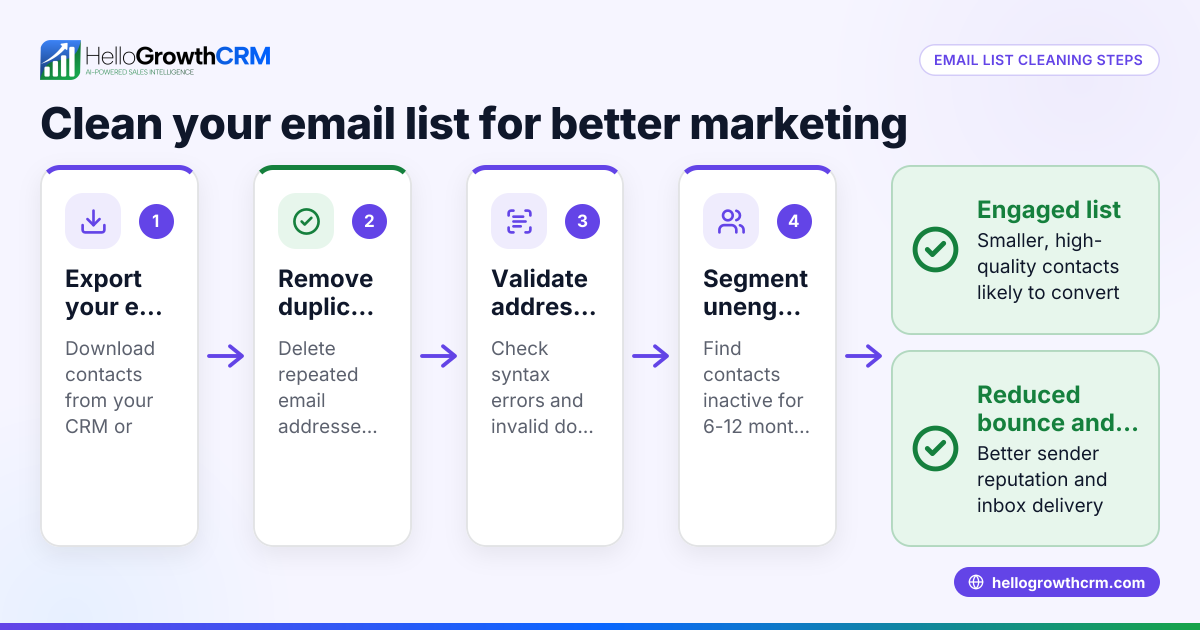
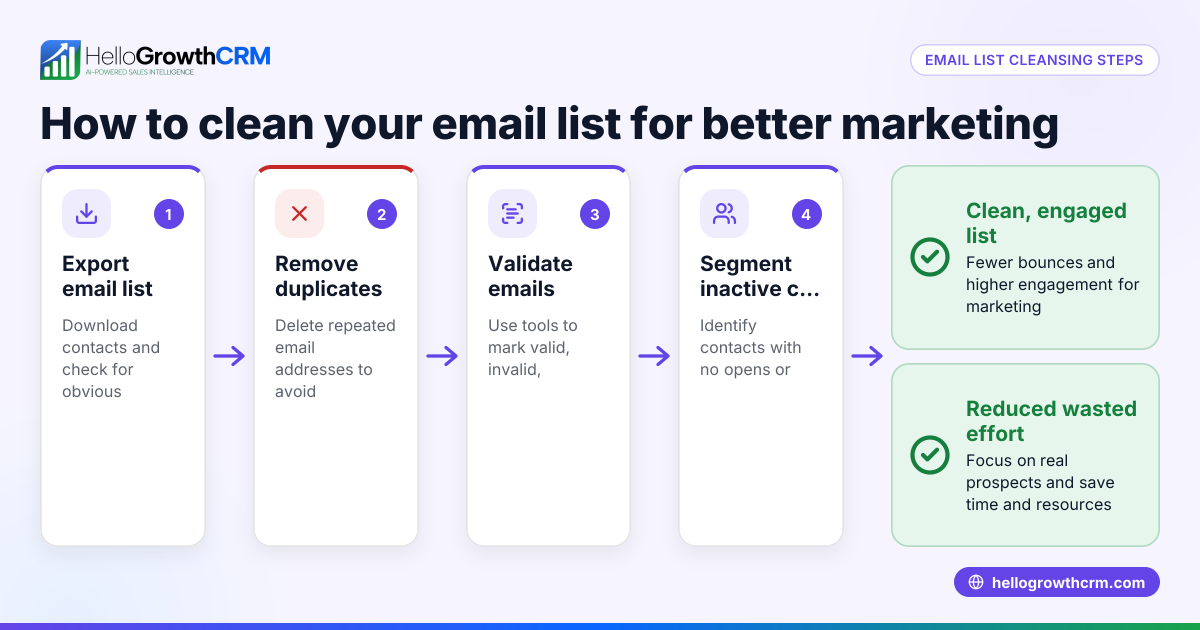
- Monitor and clean your list: Regularly check for inactive addresses or bounced emails and remove them to keep your list healthy and improve deliverability.
For managing automated follow-up and campaigns, explore email automation and sequences.
Example (fictional figures)
A plumbing company in Austin, Texas, starts collecting emails through a website form offering a 10% discount on the first service. In the first month, they get 200 sign-ups.
- Average service value: $350
- Conversion rate from email to sale: 5%
Calculations:
200 sign-ups × 5% conversion = 10 sales 10 sales × $350 average service = $3,500 revenue generated
If the discount costs 10% off $350:
$350 × 10% = $35 discount per sale $35 × 10 sales = $350 total discount cost
Net revenue from email list sales:
$3,500 - $350 = $3,150
This shows how building and using an email list can directly increase revenue by turning prospects into paying customers.
Common mistakes
- Not getting clear consent: Sending emails without explicit permission leads to complaints and legal issues. Prevent this by adding clear opt-in checkboxes and privacy notices.
- Collecting too much information upfront: Asking for too many details can discourage sign-ups. Keep forms simple to increase conversion rates.
- Ignoring list segmentation: Sending the same message to everyone reduces relevance. Segment your list by interest or behavior to improve engagement.
- Failing to follow up promptly: Delayed welcome emails miss the chance to connect. Automate immediate responses using sequences in your CRM.
- Not cleaning the list regularly: Keeping inactive or invalid emails harms deliverability. Schedule regular list maintenance.
- Relying on manual email sending: This wastes time and risks inconsistent communication. Use automated campaigns and sequences to stay on schedule.
For tips on automating follow-ups, see WhatsApp and SMS CRM.
Doing this in HelloGrowthCRM
HelloGrowthCRM offers a HelloMail shared inbox where your team can see and manage replies to quotation emails together, ensuring no lead slips through. Its sequences and campaigns feature lets you set up a five-step follow-up over two weeks that runs automatically and stops as soon as the prospect replies. This automation saves time and keeps your email list engagement consistent. Learn more about these features at email automation and sequences.
Frequently asked questions
How do I start building an email list from scratch? Start by creating a simple sign-up form on your website or social media offering something valuable like a discount or useful content. Promote it clearly and collect emails with explicit consent.
What is the best way to keep my email list engaged? Send regular, relevant emails such as newsletters, tips, or promotions. Use automated sequences to maintain contact without manual effort and segment your list to tailor messages.
How often should I email my list? A good starting point is once every one to two weeks. Avoid overwhelming subscribers but keep your business top of mind. Adjust frequency based on engagement levels.
Can I use WhatsApp or SMS alongside email? Yes, combining channels can improve reach and response rates. HelloGrowthCRM supports WhatsApp and SMS sequences alongside email, letting you automate multi-channel outreach.
Is it legal to email people who sign up online? You must provide clear opt-out options to comply with US email laws like CAN-SPAM, but explicit consent is not required under CAN-SPAM. (ftc.gov) Always use transparent sign-up forms and respect unsubscribe requests.
Key takeaways
- Email list building means collecting and organizing emails to communicate directly with customers.
- Start with a clear offer and simple sign-up form with explicit consent.
- Automate follow-up sequences to engage leads consistently.
- Avoid common mistakes like poor consent, over-collecting data, and ignoring list hygiene.
- HelloGrowthCRM helps manage replies with a shared inbox and automates follow-ups with sequences.
Start growing your email list today to improve sales and customer relationships. Start on the Free Forever plan (200 leads, no credit card).
Ready to put this into practice?
Set up your pipeline, WhatsApp follow-ups, and AI lead scoring in minutes — free, no credit card.
Try HelloGrowthCRM freeGet CRM tips in your inbox
Join thousands of sales professionals who get weekly insights on CRM strategy, AI automation, and pipeline optimization.

The HelloGrowthCRM team publishes guides on CRM strategy, AI sales tools, and revenue operations for small business sales teams.