HelloGrowthCRM software
Built for real small-business sales teams
HelloGrowthCRM helps reps qualify faster, follow up on time, and close more deals—with practical automation in one place.
- AI lead scoring and pipeline visibility
- Built-in dialer, WhatsApp, and email automation
- Sales forecasting and RevOps-ready reporting
Creating an email drip campaign helps small businesses in Singapore nurture leads automatically by sending targeted emails over time. This guide shows you how to build one from scratch with clear steps, a practical example, and tips to avoid common mistakes.
Why this comes up / what goes wrong
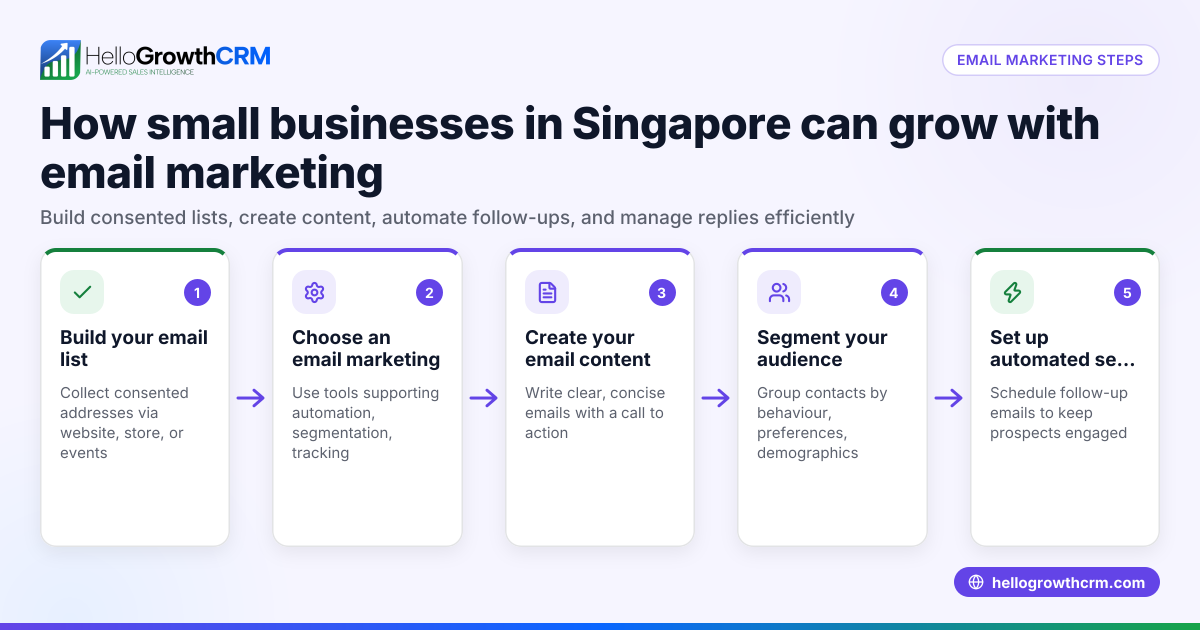
Many Singapore small-business owners rely on manual follow-ups via WhatsApp, email, or spreadsheets, which slows down lead engagement and causes lost sales. They want a systematic way to stay in touch with prospects without spending hours on repetitive tasks. An email drip campaign automates this process, sending a planned sequence of emails that keep your business top of mind until the lead is ready to respond.
However, without clear instructions, business owners struggle to set up effective campaigns. They may not know how to segment leads, write timely messages, or use automation tools properly, leading to poor results or wasted effort.
Step-by-step
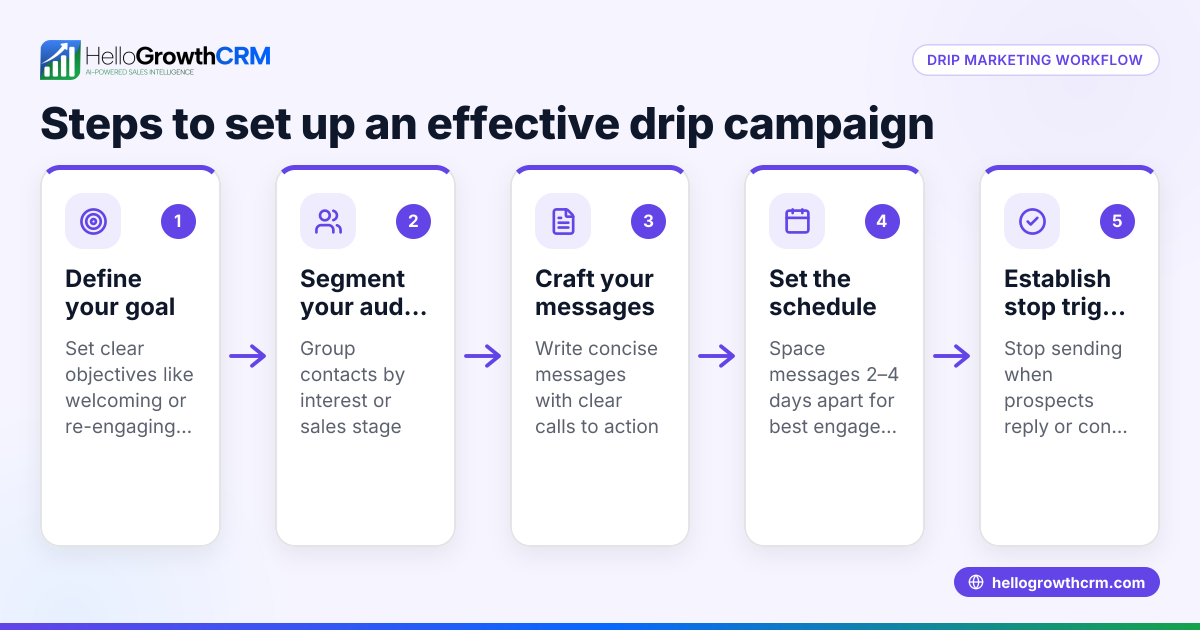
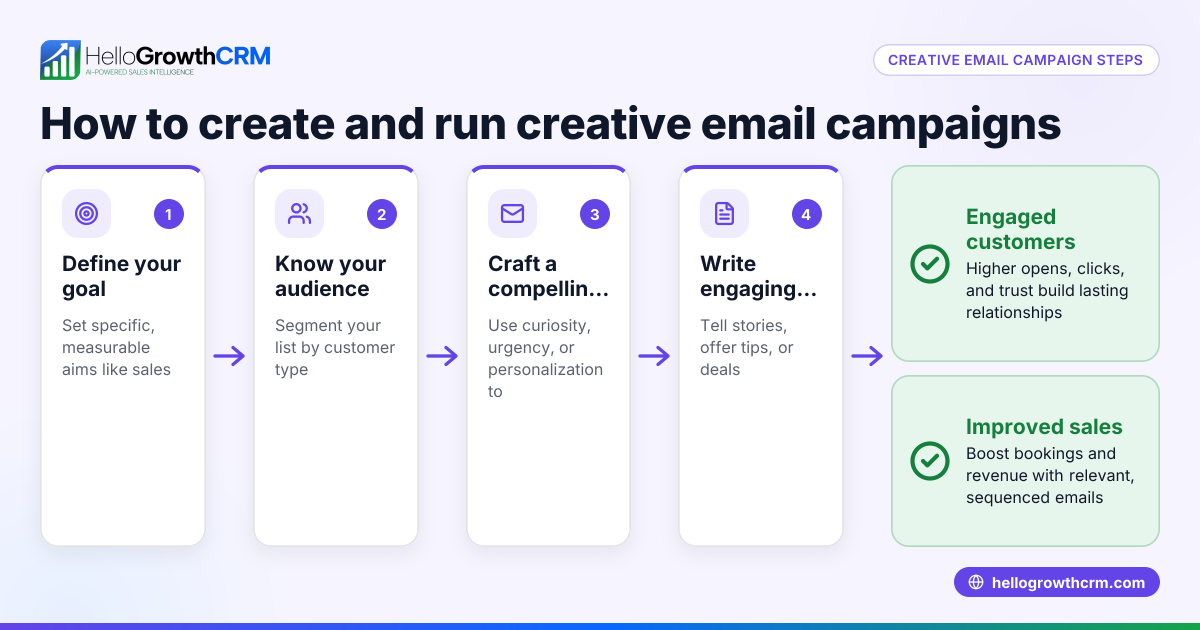
- Define your campaign goal
- Decide what you want to achieve: e.g., schedule a consultation, promote a new service, or follow up after a quote.
- Check that the goal is specific and measurable.
- Segment your audience
- Group your leads by criteria like interest, location, or stage in the sales funnel.
- Ensure you have email addresses and permission to contact them.
- Plan your email sequence
- Write 3 to 5 emails spaced over 1 to 2 weeks.
- Each email should have a clear purpose: introduction, value offer, reminder, final call.
- Include a call-to-action (CTA) in every email.
- Set up the campaign in your email tool
- Create a new drip campaign or sequence.
- Upload your segmented list.
- Input each email with its scheduled delay (e.g., Day 1, Day 4, Day 7).
- Configure triggers to stop emails if the prospect replies.
- Test your campaign
- Send test emails to yourself or colleagues.
- Check formatting, links, and timing.
- Launch the campaign
- Activate the sequence.
- Monitor delivery and open rates.
- Review and refine
- Use analytics to see which emails perform best.
- Adjust content, timing, or audience segments as needed.
For more on automating email workflows, see email automation and sequences.
Example (fictional figures)
A renovation contractor in Jurong wants to follow up on website leads with a drip campaign to book consultations.
- Campaign goal: Schedule a consultation within 2 weeks.
- Audience: 100 new leads with emails collected from web forms.
Planned sequence:
- Day 1: Introduction email with company overview and CTA to book a consultation.
- Day 4: Email sharing recent renovation projects and client testimonials.
- Day 8: Reminder email with a limited-time discount offer.
- Day 12: Final call email asking if they need help with renovation planning.
Costs and results:
- Email platform monthly fee: S$50 (fixed cost, not per email).
- Expected consultation booking rate: 10% (10 bookings).
Calculations:
100 leads × 10% booking rate = 10 bookings
If each booked consultation results in an average S$15,000 contract:
10 bookings × S$15,000 = S$150,000 potential revenue
This shows how a simple drip campaign can generate significant business by automating follow-up.
Common mistakes
- Sending too many emails too quickly: This can annoy leads. Space emails 2-4 days apart.
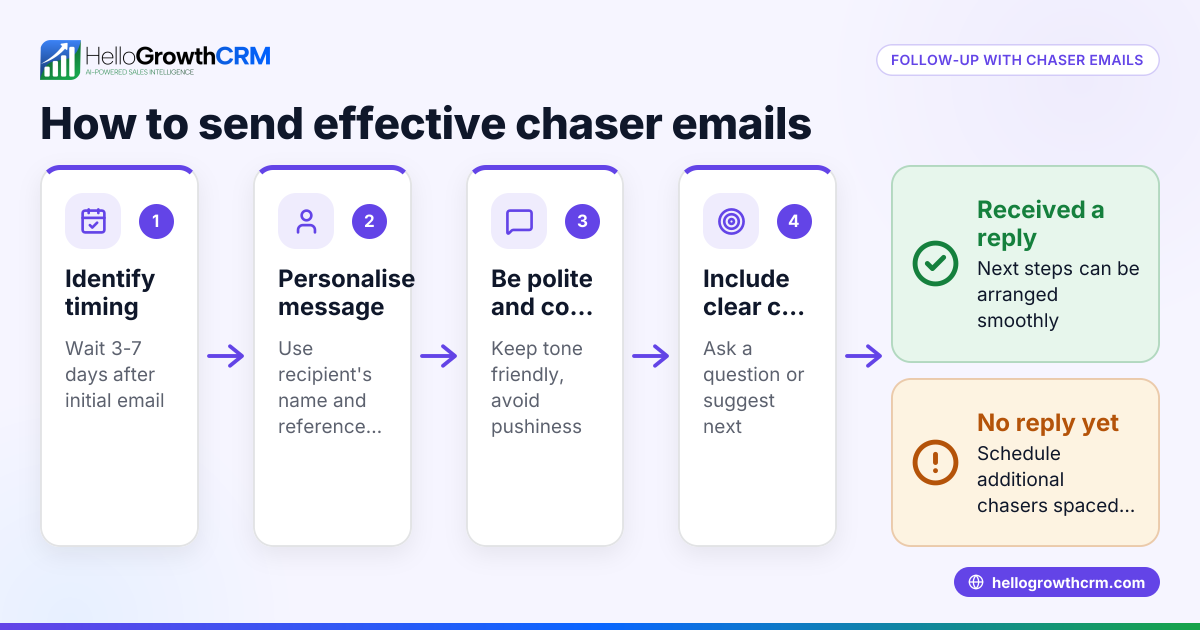
- Not personalising emails: Use the recipient's name and relevant details to increase engagement.
- Ignoring unsubscribes or replies: Always remove unsubscribed contacts and stop sequences when prospects respond.
- Using generic content: Tailor emails to your audience segment’s interests and pain points.
- Failing to test before launch: Always send test emails to check for errors and formatting issues.
- Not tracking performance: Use analytics to measure open rates, clicks, and conversions to improve your campaign.
See how to manage multi-channel outreach effectively with WhatsApp and SMS CRM.
Doing this in HelloGrowthCRM
HelloGrowthCRM offers Sequences and campaigns that automate multi-step outreach workflows across email, SMS, and WhatsApp. You can set up a five-step follow-up over two weeks that runs automatically and stops the moment the prospect replies, ensuring timely and personalised contact without manual effort. Additionally, HelloMail shared inbox allows your sales team to see replies to quotation emails collectively, improving team collaboration and response times. Learn more about these features at email automation and sequences.
Frequently asked questions
What is an email drip campaign? An email drip campaign is a series of automated emails sent to prospects or customers over time to nurture relationships, provide information, and encourage action like booking a consultation or making a purchase.
How often should I send emails in a drip campaign? Typically, emails are spaced 2 to 4 days apart to keep your business top of mind without overwhelming the recipient. The exact timing depends on your audience and campaign goal.
Can I use WhatsApp messages with my email drip campaign? Yes, integrating WhatsApp messages can enhance engagement. Using a CRM like HelloGrowthCRM, you can automate outreach across email, SMS, and WhatsApp in sequences to reach prospects on their preferred channel.
How do I measure if my drip campaign is successful? Track open rates, click-through rates, reply rates, and conversion metrics like booked consultations or sales. Use these insights to refine your emails and timing.
Is it legal to send automated emails in Singapore? You must comply with Singapore’s Personal Data Protection Act (PDPA) by obtaining consent before sending marketing emails and providing an unsubscribe option in every email. NEEDS EXPERT REVIEW
Key takeaways
- Define clear goals and segment your audience before creating your drip campaign.
- Plan 3 to 5 emails spaced over 1-2 weeks with a clear call-to-action.
- Test your campaign thoroughly before launching.
- Use automation tools like HelloGrowthCRM sequences to save time and ensure timely follow-up.
- Monitor performance and adjust your campaign based on analytics.
- Avoid common mistakes like sending too many emails too quickly or ignoring replies.
Start your email drip campaigns today and improve your follow-up efficiency. You can Start on the Free Forever plan (200 leads, no credit card) with HelloGrowthCRM to try sequences and shared inbox features.
Ready to put this into practice?
Set up your pipeline, WhatsApp follow-ups, and AI lead scoring in minutes — free, no credit card.
Try HelloGrowthCRM freeGet CRM tips in your inbox
Join thousands of sales professionals who get weekly insights on CRM strategy, AI automation, and pipeline optimization.

The HelloGrowthCRM team publishes guides on CRM strategy, AI sales tools, and revenue operations for small business sales teams.