HelloGrowthCRM software
Built for real small-business sales teams
HelloGrowthCRM helps reps qualify faster, follow up on time, and close more deals—with practical automation in one place.
- AI lead scoring and pipeline visibility
- Built-in dialer, WhatsApp, and email automation
- Sales forecasting and RevOps-ready reporting
Outreach sequence best practices mean sending a series of timed, personalized messages over about two weeks using multiple communication channels such as email, SMS, and WhatsApp. The sequence should include about five follow-ups and automatically stop as soon as the prospect replies. This approach keeps your outreach persistent but respectful, increasing engagement without overwhelming your leads.
Why this comes up / what goes wrong
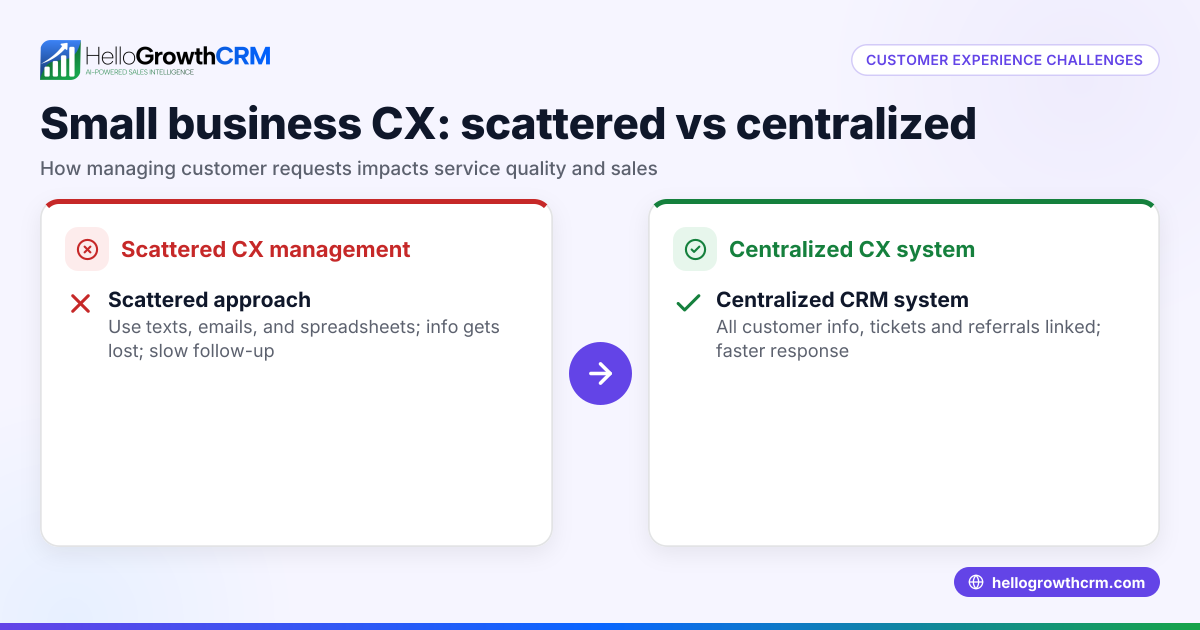
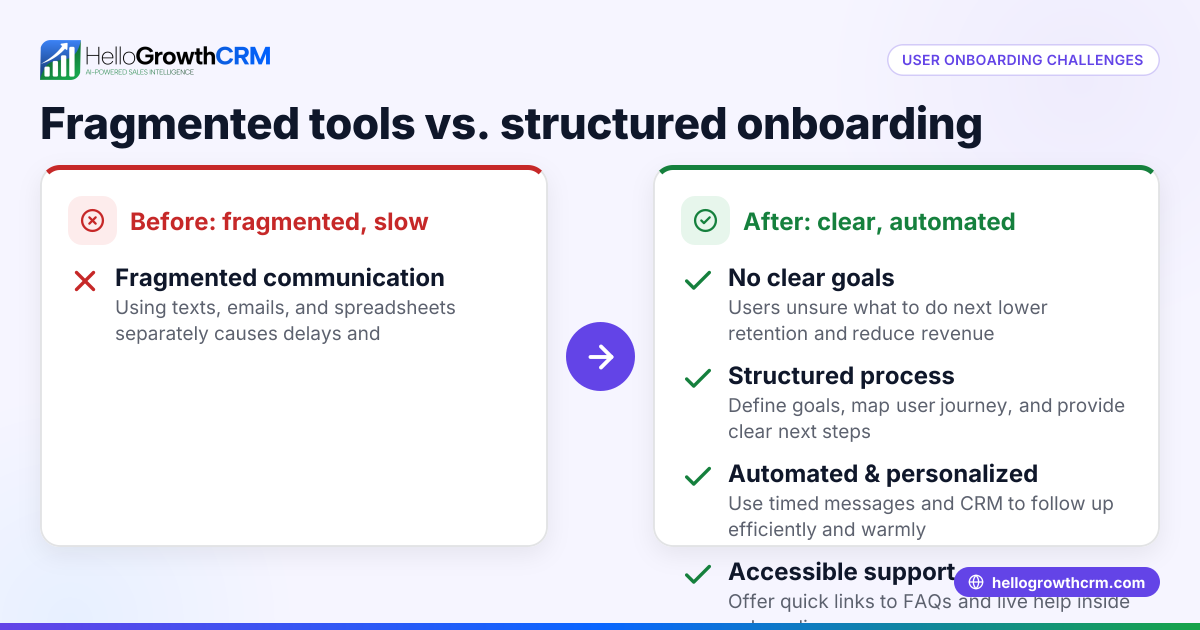
Many small-business owners in the US run sales outreach manually using text messages, email, and spreadsheets. This manual process often leads to slow or inconsistent follow-up, causing leads to slip through the cracks. Without a clear outreach sequence, prospects might receive too few messages or too many, or messages may be sent at the wrong times. This results in lost sales opportunities and frustrated prospects. Small businesses need a reliable, repeatable outreach sequence strategy and tools that help automate and track follow-up to improve lead engagement and conversion.
Step-by-step
- Define your goal and target audience: Decide what you want to achieve with your outreach, such as booking demos or qualifying leads. Segment your prospects by relevant criteria like industry, company size, or previous interactions.
- Plan the sequence timeline and steps: Design a sequence of 4-5 messages spaced over 10 to 14 days. Use a mix of channels—email, SMS, and WhatsApp—to increase the chances of connecting with prospects.
- Craft personalized, value-focused messages: Each message should offer something useful or relevant, not just a sales pitch. Personalize with the prospect’s name, company, or previous conversation details to increase engagement.
- Set triggers to stop the sequence: Ensure your system stops sending follow-ups immediately when a prospect replies or takes the desired action, like booking a meeting.
- Test and optimize your sequence: Use A/B testing to try different message content, timing, and channels. Monitor open rates, reply rates, and conversions to improve your approach.
- Automate with the right tools: Use a CRM that supports multi-channel sequences and stops automatically on reply to save time and reduce errors.
For more on automation, see email automation and sequences.
Example (fictional figures)
A B2B software reseller in Denver, Colorado, wants more demo bookings from a five-step outreach sequence over two weeks.
- Step 1 (Day 1): Initial email introducing the software.
- Step 2 (Day 4): WhatsApp message with a demo video link.
- Step 3 (Day 7): SMS reminder about the benefits.
- Step 4 (Day 10): Follow-up email with a limited-time offer.
- Step 5 (Day 14): Final WhatsApp message asking for feedback.
They contact 200 leads and assume 10% of the prospects who have not yet replied respond at each step (replies stop the sequence for that prospect):
- Day 1: 200 × 10% = 20 replies, 180 remain
- Day 4: 180 × 10% = 18 replies, 162 remain
- Day 7: 162 × 10% ≈ 16 replies, 146 remain
- Day 10: 146 × 10% ≈ 15 replies, 131 remain
- Day 14: 131 × 10% ≈ 13 replies, 118 remain
Total replies = 200 − 118 = 82, or 41% of the list
A single email would have produced about 20 replies, so the later steps add roughly 62 conversations.
Common mistakes
- Sending too many messages too quickly: This annoys prospects and lowers response rates. Prevent this by spacing messages over several days.
- Not stopping the sequence when a prospect replies: Continuing follow-ups after a reply frustrates leads. Use automation to stop sequences immediately on response.
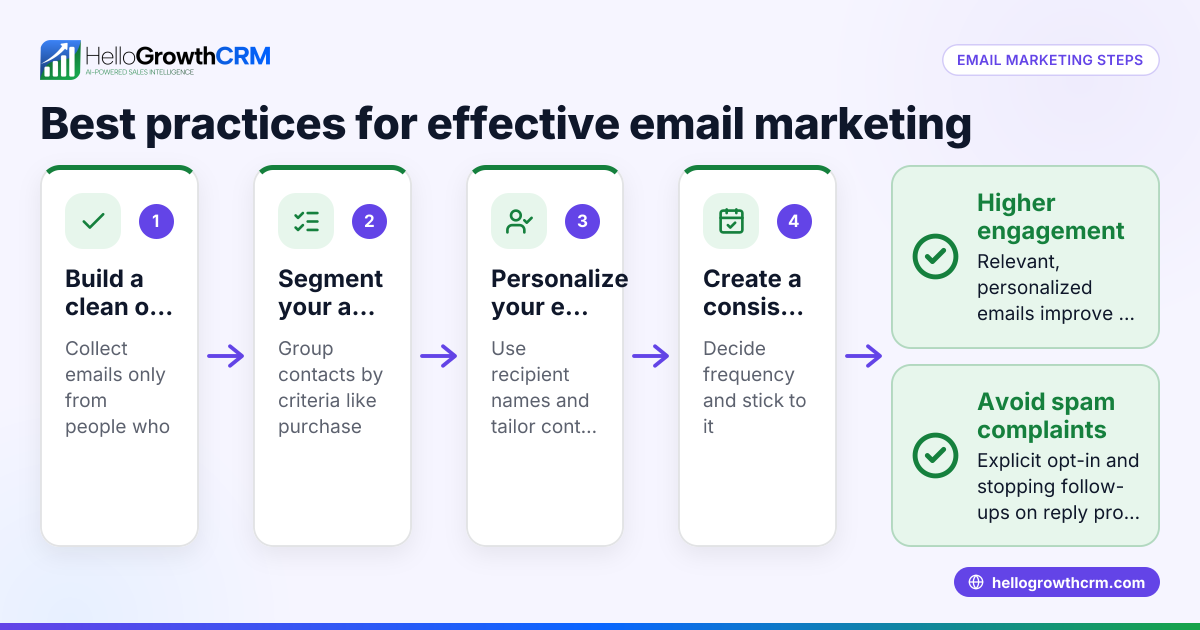
- Using generic, impersonal messages: Generic messages reduce engagement. Personalize messages with names and relevant details.
- Relying on a single channel: Limits your reach. Use a multi-channel approach including email, SMS, and WhatsApp for better contact rates (WhatsApp and SMS CRM).
- Not tracking or optimizing sequences: Missing out on improving your outreach. Use CRM reporting features to monitor and adjust your sequences.
- Manual management with spreadsheets: Prone to errors and slow follow-up. Automate sequences to reduce mistakes and save time.
Doing this in HelloGrowthCRM
HelloGrowthCRM offers Sequences and campaigns that automate multi-step outreach workflows. A typical sequence runs five follow-ups over two weeks, sending messages across email, SMS, and WhatsApp automatically. The sequence stops immediately when a prospect replies, ensuring respectful and timely communication. This automation helps small and mid-sized businesses manage outreach without manual tracking or spreadsheets. Learn more about these capabilities at email automation and sequences.
Frequently asked questions
How many steps should an outreach sequence have? Five steps over two weeks is a common best practice. It balances persistence with respect for the prospect’s time.
Which channels work best in outreach sequences? Combining email, SMS, and WhatsApp increases contact rates. Multi-channel sequences reach prospects where they prefer to communicate.
How do I know when to stop following up? Stop immediately when a prospect replies or takes the desired action to avoid annoying them.
Can I automate outreach sequences without technical skills? Yes, CRMs like HelloGrowthCRM provide user-friendly automation tools that run sequences and stop on reply without manual intervention.
What should I test in my outreach sequence? Test message content, timing between steps, and channel mix to find what gets the best responses.
Is personalization necessary in sequences? Yes, personalized messages perform better than generic ones. Use prospect names and relevant details.
For more on multi-channel outreach, see WhatsApp and SMS CRM.
Key takeaways
- Automate 4-5 follow-ups over two weeks to maintain timely contact.
- Use multi-channel outreach including email, SMS, and WhatsApp.
- Stop sequences immediately when a prospect replies.
- Personalize messages to increase engagement.
- Avoid manual tracking; use CRM automation to reduce errors.
- Test and optimize sequences regularly for better results.
Start managing your outreach sequences efficiently with HelloGrowthCRM. Start on the Free Forever plan (200 leads, no credit card).
Ready to put this into practice?
Set up your pipeline, WhatsApp follow-ups, and AI lead scoring in minutes — free, no credit card.
Try HelloGrowthCRM freeGet CRM tips in your inbox
Join thousands of sales professionals who get weekly insights on CRM strategy, AI automation, and pipeline optimization.

The HelloGrowthCRM team publishes guides on CRM strategy, AI sales tools, and revenue operations for small business sales teams.