HelloGrowthCRM software
Built for real small-business sales teams
HelloGrowthCRM helps reps qualify faster, follow up on time, and close more deals—with practical automation in one place.
- AI lead scoring and pipeline visibility
- Built-in dialer, WhatsApp, and email automation
- Sales forecasting and RevOps-ready reporting
The psychology of sales is the study of how buyers make decisions, what motivates them emotionally, and how sellers can adapt their approach to meet those needs. It helps salespeople connect with prospects by recognizing emotional triggers, building trust, and communicating persuasively.
Why this comes up / what goes wrong
Small-business owners often face slow or ineffective sales follow-up because they treat sales as merely transactional, ignoring the human psychology behind buying. They may rely on emails, texts, or spreadsheets without considering what drives their buyers. This leads to lost leads, missed opportunities, and frustration. Understanding sales psychology helps owners and sales teams build relationships, anticipate objections, and communicate more effectively.
Step-by-step
- Identify your customer’s needs and emotions. Ask questions that reveal what truly motivates your buyer beyond price, such as security, status, or convenience. Check that your messaging addresses these emotional drivers.
- Build trust early. Use social proof, testimonials, and transparent communication to reduce buyer anxiety. Check that your follow-up is timely and personalized.
- Use storytelling and benefits-focused language. Present your product or service as a solution to the customer’s problem rather than just listing features. Check that your pitch highlights outcomes your buyer cares about.
- Create urgency without pressure. Explain limited-time offers or stock scarcity honestly to encourage timely decisions. Check that your urgency tactics feel authentic and not pushy.
- Handle objections with empathy. Listen carefully to concerns, validate feelings, and respond thoughtfully. Check that you avoid dismissing objections or rushing the conversation.
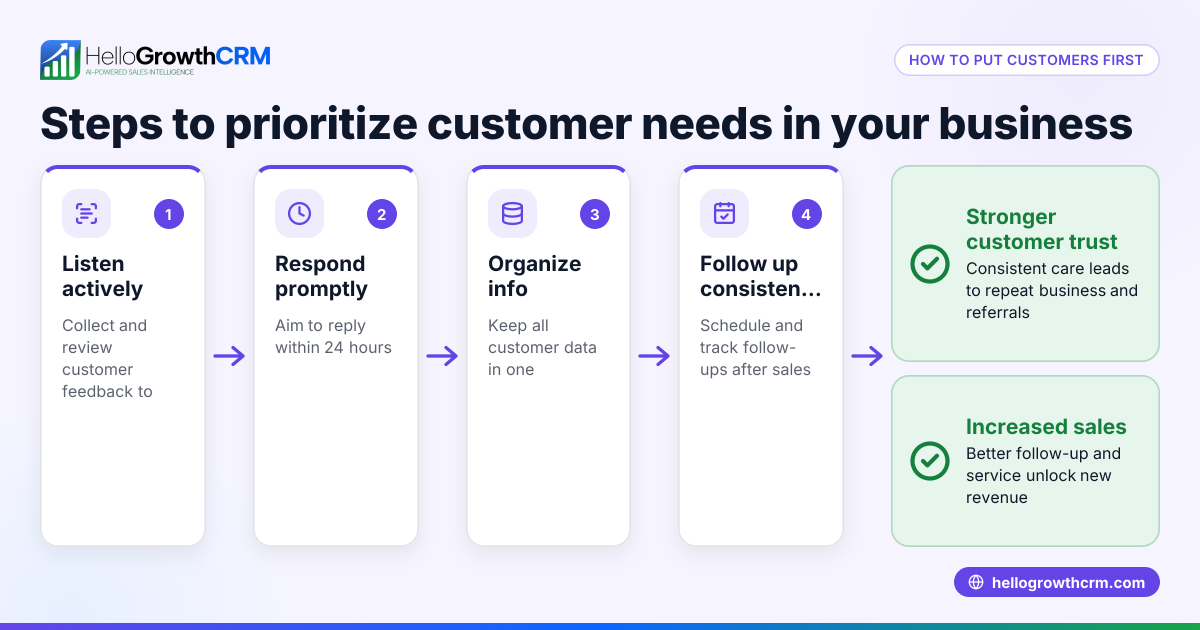
- Follow up consistently and track progress. Use a system to schedule follow-ups and monitor deal stages so no lead is forgotten. Check that you regularly review your pipeline to prioritize hot leads.
Example (fictional figures)
A residential real-estate team in Phoenix, Arizona, uses sales psychology to increase closings by focusing on buyers’ emotional needs for security and community.
- They identify a lead interested in a $450,000 home on 07/01/2026.
- They build trust by sharing testimonials from satisfied neighborhood residents.
- They tell stories about families enjoying local parks and schools.
- They create urgency by noting a competing offer deadline of 07/10/2026.
- They handle objections about mortgage rates by connecting buyers with trusted lenders.
Calculations for their sales pipeline:
$450,000 × 0.75 = $337,500 (expected value)
By tracking this deal in their CRM pipeline at the 'offer made' stage with a follow-up date, they avoid losing the lead.
Common mistakes
- Ignoring emotional triggers. Prevent this by asking open-ended questions to discover what truly matters to the buyer.
- Overloading prospects with features. Prevent this by focusing on benefits and storytelling.
- Inconsistent follow-up. Prevent this by using a CRM pipeline with scheduled reminders to track deal stages, such as HelloGrowthCRM’s Deals (pipeline) feature.
- Applying pressure instead of urgency. Prevent this by being honest about timelines and respecting the buyer’s pace.
- Not listening fully to objections. Prevent this by practicing active listening and empathy.
- Using multiple disconnected tools. Prevent this by consolidating communication and tracking in one platform, like HelloGrowthCRM, to keep leads and follow-ups organized.
Doing this in HelloGrowthCRM
HelloGrowthCRM helps small businesses apply sales psychology by keeping deals visible and actionable. A quotation sent last week appears as a deal in the 'quote sent' stage with a follow-up date, ensuring no lead is forgotten. Field sales reps can log visits from their phones, and managers see daily activity with Territories and field operations tools. If you don’t have a sales manager, Managed RevOps provides weekly follow-up queue management so leads don’t slip through. Learn more about HelloGrowthCRM’s WhatsApp and SMS CRM, built-in CRM dialer, and territory management features.
Frequently asked questions
What is the most important psychological factor in sales? Trust is often the key psychological factor. Buyers need to feel confident your product and company will deliver on promises. Building trust early through transparency, social proof, and clear communication improves sales outcomes.
How can I use psychology to improve follow-up? Use consistent, personalized follow-up that addresses the buyer’s concerns and timeline. Scheduling reminders and tracking deal stages in a CRM pipeline helps ensure timely contact without overwhelming the prospect.
Can sales psychology help in digital communication like WhatsApp or SMS? Yes. Tailoring messages to the customer’s emotions, using conversational language, and respecting their response time builds rapport even over text. Managing sequences and responses in a WhatsApp and SMS CRM keeps communication organized.
How does understanding objections help close sales? Acknowledging objections shows empathy and respect for the buyer’s viewpoint. Responding thoughtfully can turn objections into opportunities to clarify benefits or adjust offers.
What role does urgency play in sales psychology? Urgency motivates buyers to act without delay. It should be genuine and not manipulative, such as limited availability or time-bound discounts.
Key takeaways
- Sales psychology focuses on understanding buyer emotions and decision-making.
- Build trust and use storytelling to connect with prospects.
- Follow up consistently using a CRM pipeline to track progress.
- Handle objections with empathy and avoid pressure tactics.
- Use urgency honestly to encourage timely decisions.
- Tools like HelloGrowthCRM help organize leads, follow-ups, and field operations.
Applying the psychology of sales can transform how your small business wins customers. Start with understanding your buyers’ needs and emotions, then use clear steps and tools to manage your sales process effectively. To get started, try HelloGrowthCRM’s Free Forever plan with 200 leads and no credit card at Start on the Free Forever plan (200 leads, no credit card).
Ready to put this into practice?
Set up your pipeline, WhatsApp follow-ups, and AI lead scoring in minutes — free, no credit card.
Try HelloGrowthCRM freeGet CRM tips in your inbox
Join thousands of sales professionals who get weekly insights on CRM strategy, AI automation, and pipeline optimization.

The HelloGrowthCRM team publishes guides on CRM strategy, AI sales tools, and revenue operations for small business sales teams.