HelloGrowthCRM software
Built for real small-business sales teams
HelloGrowthCRM helps reps qualify faster, follow up on time, and close more deals—with practical automation in one place.
- AI lead scoring and pipeline visibility
- Built-in dialer, WhatsApp, and email automation
- Sales forecasting and RevOps-ready reporting
A sales incentive structure is a system that defines how salespeople earn rewards based on their sales results. It typically includes commission rates, bonuses, quotas, and performance metrics aimed at encouraging behaviors that drive revenue growth. Small-business owners use these structures to motivate their sales teams, align efforts with company goals, and boost overall sales effectiveness.
Why this comes up / what goes wrong
Small-business owners often struggle with slow sales growth or inconsistent sales team performance. Without a clear incentive structure, salespeople may lack motivation or focus on the wrong activities. For example, a sales rep might prioritize quick wins over building long-term customer relationships, or neglect follow-up on promising leads. This can lead to lost revenue and missed targets.
Owners also face challenges in tracking sales activities and commissions fairly, especially when using manual tools like spreadsheets or text messages. This can cause disputes, delays in payments, and low morale.
Step-by-step
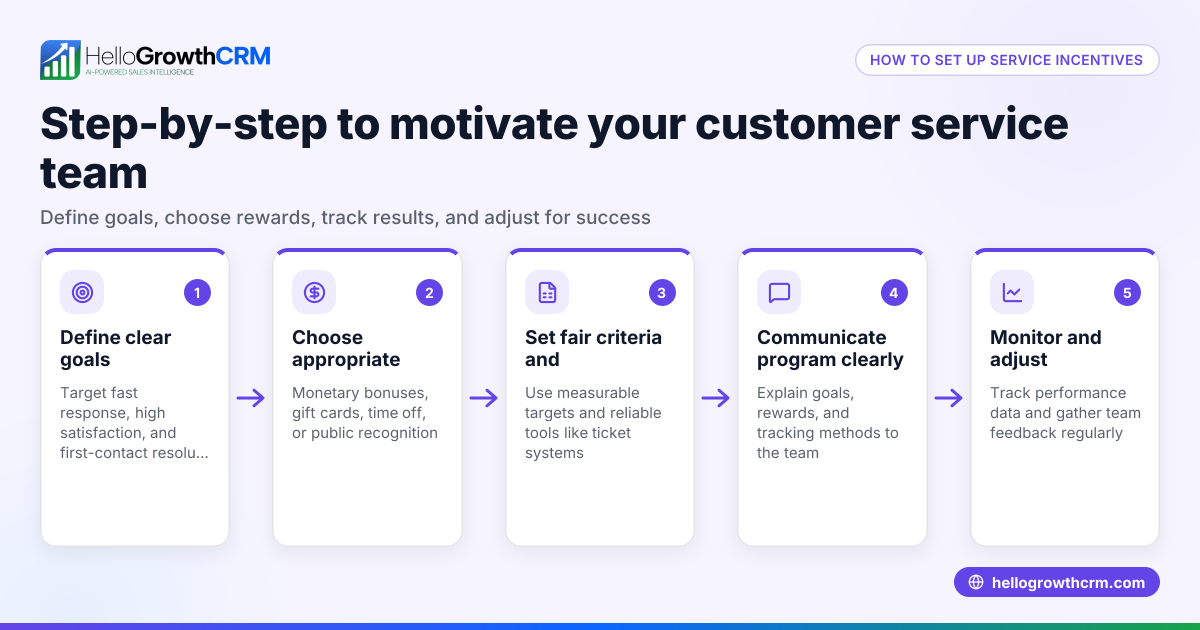
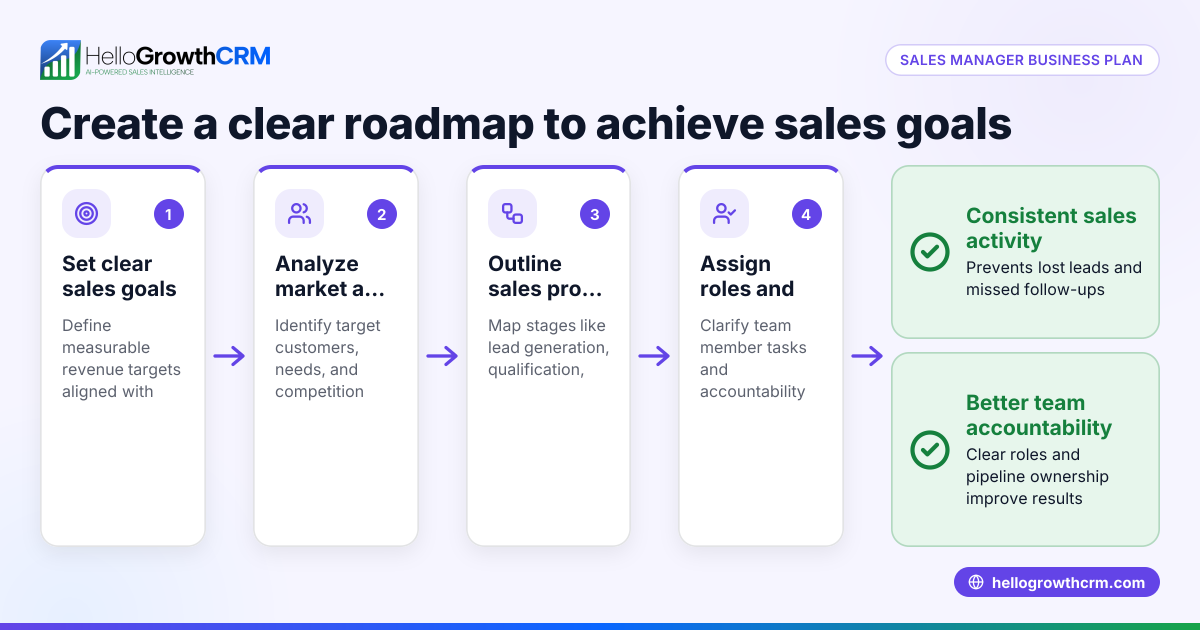
- Define your sales goals clearly. Decide what you want your sales team to achieve—new customers, revenue targets, product focus, or customer retention. Check that these goals align with your overall business strategy.
- Choose the types of incentives. Common options include straight commission, base salary plus commission, bonuses for hitting targets, or tiered commissions that increase with higher sales. Check what fits your budget and motivates your team.
- Set measurable performance metrics. Use concrete numbers like sales volume, deal size, or number of new accounts. Check that these metrics are easy to track and directly linked to your goals.
- Determine commission rates and bonus thresholds. Decide percentages or amounts for each metric. Check that rates are competitive enough to motivate but sustainable for your business finances.
- Establish a clear payment schedule and rules. Specify when commissions are paid (monthly, quarterly), how disputes are handled, and how returns or cancellations affect commissions.
- Communicate the plan clearly to your sales team. Make sure everyone understands how their efforts translate into rewards.
- Track sales activities and results consistently. Use tools to log deals, follow-ups, and commissions to avoid errors and delays.
- Review and adjust the structure regularly. Check performance data and get team feedback to refine incentives for better results.
Example (fictional figures)
A B2B software reseller in Denver, Colorado, wants to increase new client contracts in 2026. The owner sets a sales incentive structure as follows:
- Sales goal: $1,000,000 in new contracts by 12/31/2026
- Commission: 5% on all new contract revenue
- Bonus: $5,000 if sales exceed $1,000,000
If a sales rep closes $1,200,000 in new contracts:
$1,200,000 × 5% = $60,000 commission
Since $1,200,000 > $1,000,000, bonus = $5,000
Total incentive = $60,000 + $5,000 = $65,000
This clear structure motivates reps to exceed the $1,000,000 goal for the bonus.
Common mistakes
- Overcomplicating the plan. Too many metrics or tiers confuse salespeople. Prevent by keeping it simple and focused on key goals.
- Setting unrealistic targets. Goals that are too high demotivate. Prevent by basing targets on past performance and market conditions.
- Ignoring non-sales activities. Not rewarding activities like lead follow-up can reduce pipeline quality. Prevent by including tasks that drive sales, tracked with tools like HelloGrowthCRM's deals pipeline (/product/ai-crm).
- Lack of transparency or communication. Salespeople must know how incentives work. Prevent by documenting and discussing the plan openly.
- Using manual tracking methods. Spreadsheets and texts lead to errors and delays. Prevent by using CRM features such as territories and commissions tracking (/product/territory-management).
- Failing to review and adapt. Market changes require plan adjustments. Prevent by scheduling regular reviews.
Doing this in HelloGrowthCRM
HelloGrowthCRM supports sales incentive management with features like Territories, field operations, and commissions. Field sales reps log visits from their phones, and managers see daily activity beats, helping verify sales efforts. The Deals (pipeline) feature tracks opportunities from first contact to close, with stage updates and follow-up reminders to prevent lost deals. For founders without a dedicated sales manager, Managed RevOps provides weekly follow-up execution and pipeline hygiene, ensuring incentive plans are supported by consistent sales activity. Learn more about these features at HelloGrowthCRM for the United States.
Frequently asked questions
What is the best type of sales incentive structure for small businesses? It depends on your sales cycle and budget. Many small businesses use a base salary plus commission model to provide stability and motivation. Simple commission-only plans work well if sales cycles are short and predictable.
How often should I pay sales commissions? Monthly or quarterly payments are common. Choose a schedule that balances timely rewards with your accounting capacity. Clear rules on timing prevent disputes.
How do I track commissions accurately? Manual tracking is error-prone. Use CRM tools that integrate sales activity logging and commission calculations, like HelloGrowthCRM's territories and commissions features (/product/territory-management).
Can sales incentives include non-monetary rewards? Yes, incentives can include recognition, trips, or prizes. These can motivate but should complement clear financial rewards.
How do I handle sales returns or cancellations affecting commissions? Define policies upfront, such as clawbacks or adjustments in the next payment cycle, to keep incentives fair.
How can I ensure my sales team follows up on leads promptly? Use CRM features like the deals pipeline with follow-up dates and reminders (/product/ai-crm). Managed RevOps services can help maintain timely follow-up and pipeline hygiene.
Key takeaways
- A sales incentive structure links rewards to measurable sales goals to motivate your team.
- Keep incentive plans simple, realistic, and clearly communicated.
- Use CRM tools to track sales activities, commissions, and follow-ups accurately.
- Regularly review and adjust the plan based on performance and feedback.
- HelloGrowthCRM features like Territories, Deals pipeline, and Managed RevOps help manage sales incentives and activity.
Start building your sales incentive structure today to boost motivation and sales results. To manage your sales pipeline and incentives efficiently, consider starting with HelloGrowthCRM's Free Forever plan, which supports up to 200 leads and requires no credit card at Start on the Free Forever plan (200 leads, no credit card).
Ready to put this into practice?
Set up your pipeline, WhatsApp follow-ups, and AI lead scoring in minutes — free, no credit card.
Try HelloGrowthCRM freeGet CRM tips in your inbox
Join thousands of sales professionals who get weekly insights on CRM strategy, AI automation, and pipeline optimization.

The HelloGrowthCRM team publishes guides on CRM strategy, AI sales tools, and revenue operations for small business sales teams.