HelloGrowthCRM software
Built for real small-business sales teams
HelloGrowthCRM helps reps qualify faster, follow up on time, and close more deals—with practical automation in one place.
- AI lead scoring and pipeline visibility
- Built-in dialer, WhatsApp, and email automation
- Sales forecasting and RevOps-ready reporting
A sales meeting notes template is a practical tool for UK small businesses to consistently capture important information during sales meetings. It ensures all client details, discussion points, decisions, and next steps are recorded clearly. This helps prevent missed follow-ups and keeps your sales process organised.
Why this comes up / what goes wrong
Many small business owners and sales teams in the UK find themselves struggling after sales meetings because notes are incomplete, unstructured, or scattered across different places like emails, WhatsApp chats, or spreadsheets. Without a clear, ready-to-use template, critical details such as client objections, agreed next steps, or deadlines can be overlooked. This often leads to confusion, lost sales opportunities, and wasted time chasing missing information.
Having a structured sales meeting notes template helps avoid these issues by providing a consistent format to capture everything needed during or immediately after the meeting.
Step-by-step
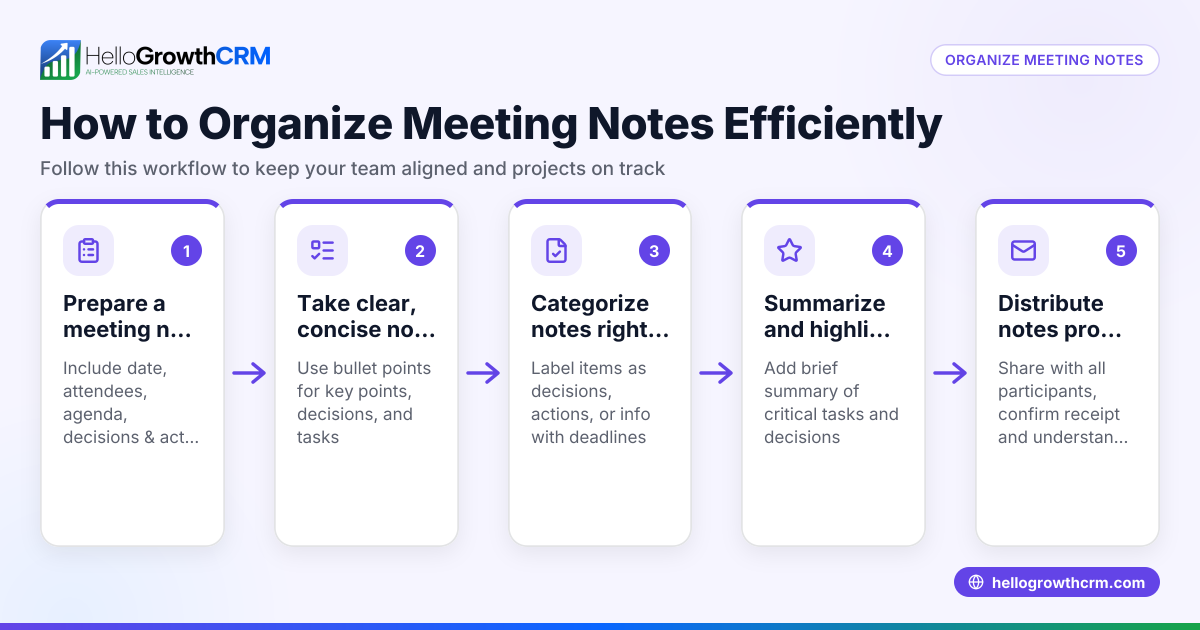
- Prepare your sales meeting notes template in advance: Choose or download a template that includes fields for client details, meeting date and time, attendees, agenda, discussion points, decisions, and action items. Ensure it fits your sales process and is easy to fill in during the meeting.
- Record client and meeting information accurately: Write down the client’s company name, contact person, meeting date, and meeting type (phone, video, in-person). Double-check these details to avoid confusion later.
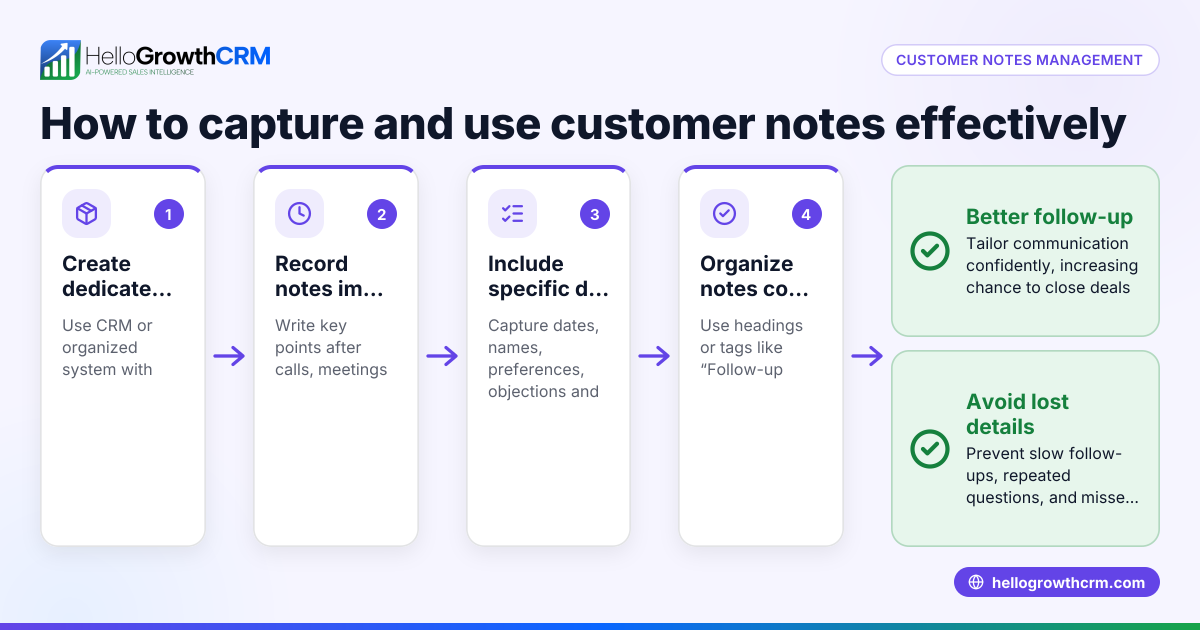
- Capture key discussion points concisely: Use bullet points to summarise the client’s needs, questions, objections, and your responses. Focus on actionable information rather than trying to write verbatim notes.
- Document decisions and agreements clearly: Note any agreements on pricing, product options, or next steps. Make sure this section is clear and complete.
- List action items with assigned owners and deadlines: Specify who is responsible for each task and the deadline. This prevents delays in follow-up.
- Review and share notes promptly: After the meeting, check your notes for completeness, then share them with your team and the client if appropriate. Confirm that everyone understands their responsibilities.
To get started quickly, you can download free sales templates from sales templates.
Example (fictional figures)
Company: Leeds Kitchen Fitters Ltd Contact: Sarah Jones Date: 15/04/2024 Meeting type: Video call
- Discussion points:
- Client requires a full kitchen refit including cabinets, worktops, and appliances.
- Budget capped at £18,000.
- Concern about installation timing due to an upcoming event.
- Decisions:
- Agreed on mid-range cabinets costing £10,000.
- Worktops and appliances to be confirmed after supplier quotes.
- Action items:
- Sales rep to send detailed quotation by 20/04/2024.
- Sarah to confirm appliance preferences by 18/04/2024.
Quotation calculation: Cabinets: £10,000 Worktops (estimate): £5,000 Appliances (estimate): £3,000 Total estimated budget = £10,000 + £5,000 + £3,000 = £18,000
This example shows how clear notes keep the sales process on track and within budget.
Common mistakes
- Incomplete notes: Avoid this by using a structured template and filling it out during the meeting to capture all key details.
- No action owners or deadlines: Always assign tasks to specific people with clear deadlines to ensure accountability.
- Delaying sharing notes: Share notes immediately after the meeting to maintain momentum and clarity.
- Mixing personal opinions with facts: Keep notes objective and focused on facts and agreements.
- Scattered note storage: Store notes centrally using digital tools or templates to avoid losing information.
To prevent these errors, explore free sales tools and calculators which include helpful templates.
Doing this in HelloGrowthCRM
HelloGrowthCRM offers free sales tools, templates, and calculators that you can download without creating an account, including follow-up cadence and pipeline templates to organise your sales notes and next steps. Its scheduling and booking feature lets prospects pick meeting slots from a link, avoiding back-and-forth messages on WhatsApp. Additionally, the deals (pipeline) feature tracks quotations sent, showing follow-up dates at the appropriate stage so you never forget to act on a lead. Learn more about HelloGrowthCRM for the United Kingdom.
Frequently asked questions
What should a sales meeting notes template include? A good template should capture client details, meeting date and type, key discussion points, decisions made, and action items with assigned owners and deadlines. This ensures all critical information is recorded and easy to follow.
How soon should I share sales meeting notes? Notes should ideally be shared within 24 hours of the meeting. Prompt sharing keeps everyone aligned and ensures follow-up tasks are started on time.
Can I use digital tools for sales meeting notes? Yes, digital templates and CRM tools streamline note-taking, storing, and sharing. Free sales templates and scheduling features are available at sales templates and meeting scheduler to help simplify the process.
How do I avoid losing track of follow-ups? Assign clear action owners and deadlines in your notes, then track them in a pipeline or task board. The deals feature in HelloGrowthCRM helps keep follow-ups visible and organised.
Key takeaways
- Use a structured sales meeting notes template covering client info, discussion points, decisions, and action items.
- Assign clear owners and deadlines to action items to prevent delays.
- Share notes promptly after meetings to maintain momentum.
- Avoid common mistakes like incomplete notes or scattered storage by using templates.
- Free sales tools and scheduling features can simplify note-taking and follow-up.
Start organising your sales meetings effectively today. Start on the Free Forever plan (200 leads, no credit card) to access free templates, scheduling, and pipeline tracking tools.
Ready to put this into practice?
Set up your pipeline, WhatsApp follow-ups, and AI lead scoring in minutes — free, no credit card.
Try HelloGrowthCRM freeGet CRM tips in your inbox
Join thousands of sales professionals who get weekly insights on CRM strategy, AI automation, and pipeline optimization.

The HelloGrowthCRM team publishes guides on CRM strategy, AI sales tools, and revenue operations for small business sales teams.