HelloGrowthCRM software
Built for real small-business sales teams
HelloGrowthCRM helps reps qualify faster, follow up on time, and close more deals—with practical automation in one place.
- AI lead scoring and pipeline visibility
- Built-in dialer, WhatsApp, and email automation
- Sales forecasting and RevOps-ready reporting
Business-to-business (B2B) sales involve one company selling goods or services to another company. Common examples include a wholesaler supplying stock to retailers, a manufacturer selling parts to assembly firms, or a service provider offering software solutions to other businesses. Understanding these examples helps small business owners recognise opportunities and structure their sales approach effectively.
Why this comes up / what goes wrong
Small business owners often search for business-to-business sales examples because they want to identify how their products or services fit into the B2B market. Many struggle with slow lead follow-up, managing sales across WhatsApp, email, and spreadsheets, or simply understanding the sales cycle in a B2B context. Without clear examples, it is difficult to know how to approach potential business clients or manage ongoing sales relationships.
Step-by-step
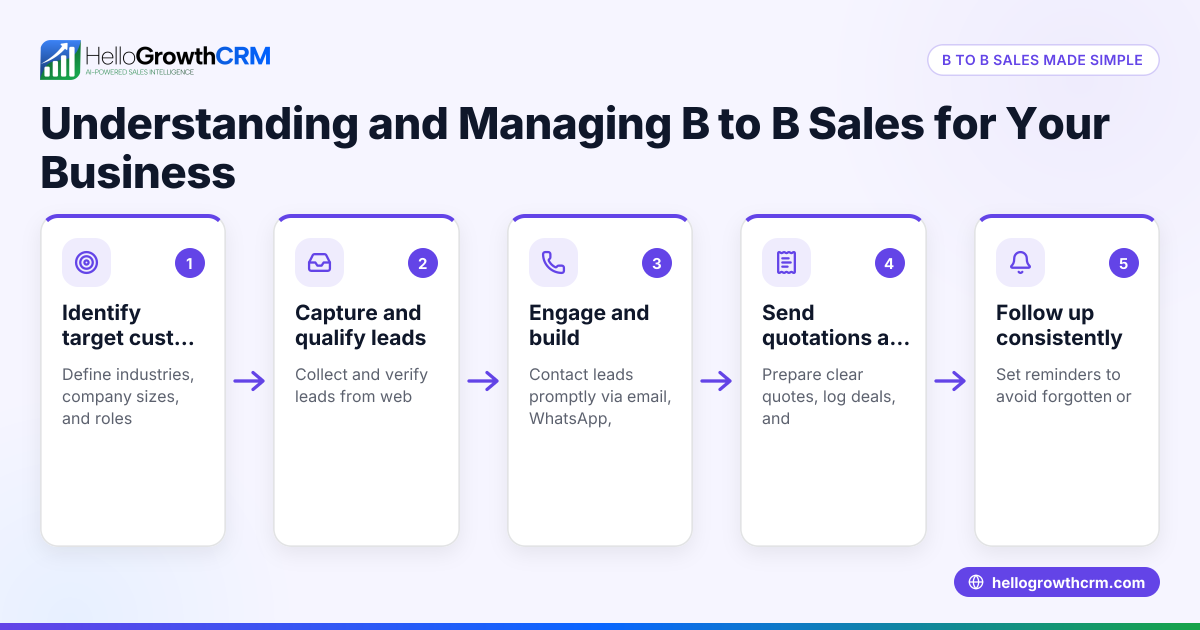
- Identify your B2B customers: Determine which businesses need your product or service. Check their size, industry, and purchasing habits.
- Define your sales process: Map out stages such as lead generation, qualification, quotation, negotiation, and closing. Check that each stage has clear criteria.
- Capture leads efficiently: Use web forms or integrations to gather leads automatically. Check that leads are entered into a system to avoid loss.
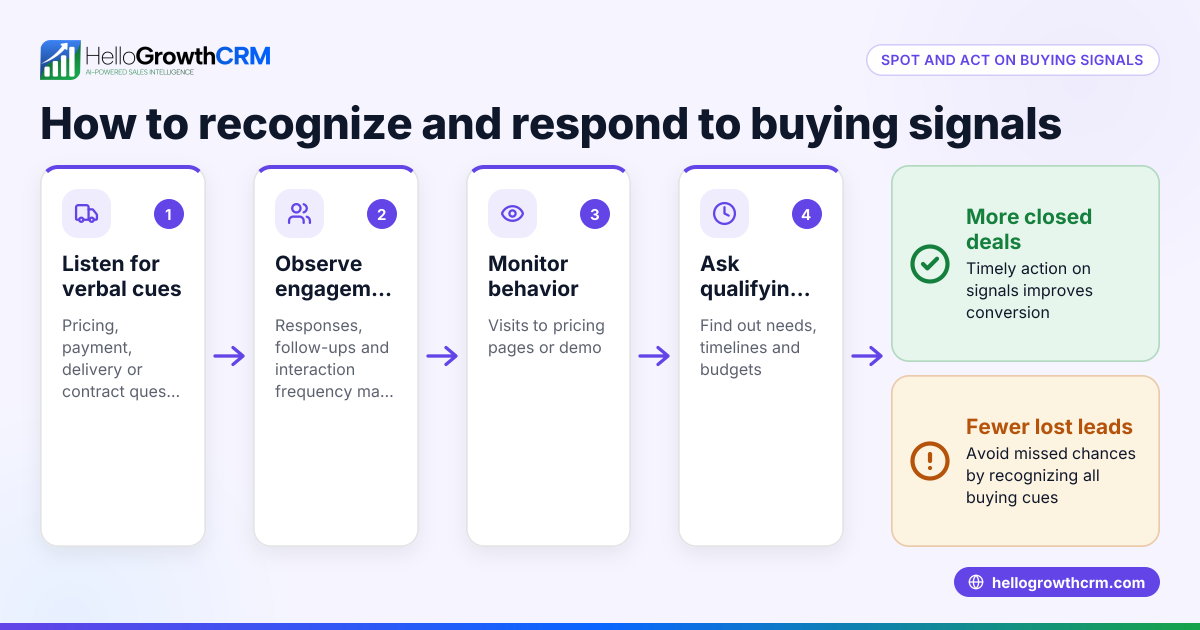
- Qualify leads: Assess lead potential based on factors like budget, authority, need, and timeline. Check lead quality to prioritise follow-up.
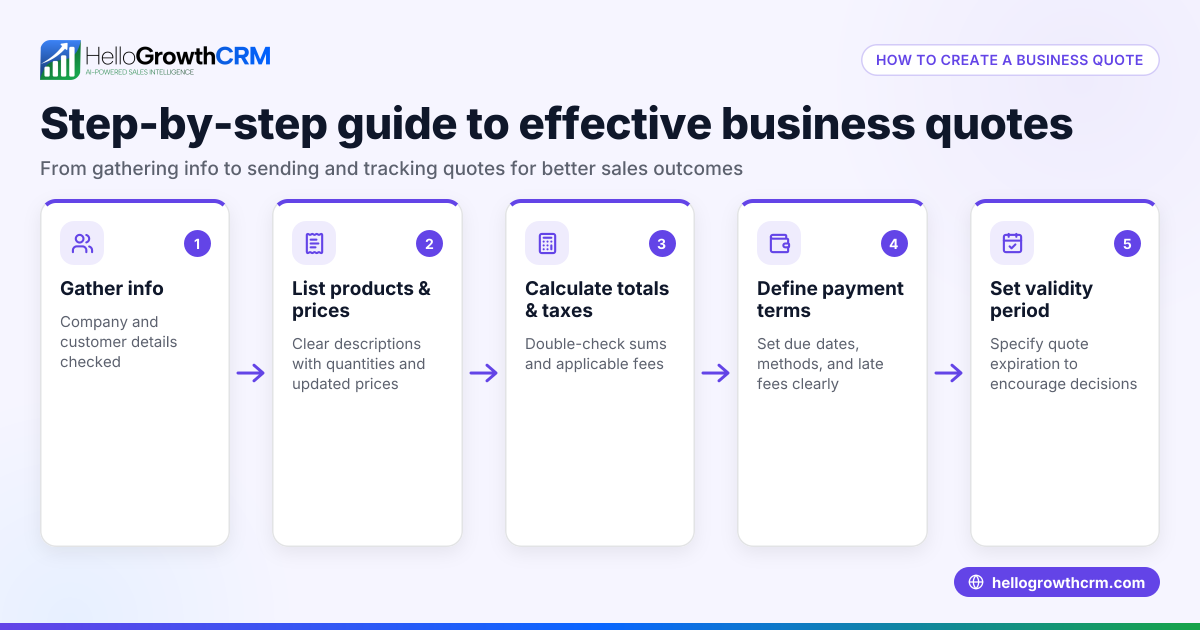
- Send quotations: Prepare and send clear quotes with pricing and terms. Check that quotes are tracked and followed up promptly.
- Negotiate and close deals: Engage with the client to address concerns and finalise agreements. Check that all communications are recorded.
- Manage post-sale relationships: Provide support and upsell opportunities. Check client satisfaction and future needs.
Using a structured approach ensures no leads or deals are forgotten, and the sales cycle moves forward smoothly.
Example (fictional figures)
An accountancy practice in Birmingham targets local SMEs for outsourced bookkeeping services.
- On 01/03/2026, they receive an enquiry from a business needing monthly bookkeeping.
- They qualify the lead and send a quotation on 05/03/2026 for £1,200 per year.
- The client requests a discount; the practice offers a 10% reduction.
Calculations:
£1,200 × 10% = £120 (discount amount) £1,200 - £120 = £1,080 (final quoted price)
- The client accepts on 10/03/2026.
- The practice records the deal at the 'quote sent' stage with a follow-up date to confirm the contract.
This example shows how a typical B2B sale progresses through enquiry, qualification, quotation, negotiation, and closing.
Common mistakes
- Failing to track leads and quotes: Leads can be lost if not entered into a CRM. Prevent this by using a system that tracks deals and follow-ups.
- Ignoring follow-up dates: Delayed follow-up causes lost sales. Set reminders and check follow-up tasks regularly.
- Mixing personal and business communication channels: Using WhatsApp or email without integration leads to scattered information. Use a CRM that consolidates communication.
- Not qualifying leads properly: Spending time on low-potential leads wastes resources. Use lead scoring or qualification criteria.
- Neglecting post-sale relationships: Without ongoing engagement, repeat business is missed. Schedule regular check-ins.
- Overcomplicating the sales process: A complex process confuses the team. Keep stages clear and manageable.
Tools like HelloGrowthCRM help prevent these mistakes by providing pipeline visibility and communication tracking WhatsApp and SMS CRM.
Doing this in HelloGrowthCRM
HelloGrowthCRM supports B2B sales with features designed for small and mid-sized businesses. Deals (pipeline) lets you track open opportunities from first contact through to close, with stage movement, probability, and expected value. For example, a quotation sent last week appears as a deal at the 'quote sent' stage with a follow-up date, ensuring it is not forgotten. Field sales teams can log visits from their phones, and managers can monitor daily activity using Territories, field operations and commissions. If you lack a dedicated sales manager, Managed RevOps provides weekly follow-up execution and pipeline hygiene support to keep sales moving. Learn more about these features at HelloGrowthCRM for the United Kingdom.
Frequently asked questions
What are common examples of business-to-business sales? Common examples include manufacturers selling components to assembly companies, wholesalers supplying retailers, IT firms providing software to businesses, and service providers offering consultancy or outsourced functions.
How does B2B sales differ from business-to-consumer (B2C) sales? B2B sales often involve more complex negotiations and multiple decision-makers, while B2C sales usually involve individual consumers and can be quicker.
How can I improve follow-up in B2B sales? Use a CRM system that tracks deals and sets follow-up reminders. Consistent and timely follow-up increases the chance of closing deals. HelloGrowthCRM’s pipeline and task boards help organise this process.
Is WhatsApp effective for B2B sales communication? Yes, WhatsApp is widely used for quick, direct communication. However, it should be integrated with a CRM to keep all conversations logged and linked to deals, avoiding information loss.
What is lead qualification in B2B sales? Lead qualification is assessing whether a lead has the budget, authority, need, and timeline to buy. This helps prioritise efforts on leads most likely to convert.
Can small businesses manage B2B sales without a sales manager? Yes, with tools like HelloGrowthCRM’s Managed RevOps, founders can get support for follow-up execution and pipeline management without hiring a dedicated sales manager.
Key takeaways
- Business-to-business sales involve selling products or services from one business to another.
- A structured sales process with clear stages improves lead management and deal closure.
- Tracking quotations and follow-ups prevents lost opportunities.
- Using a CRM that integrates WhatsApp, email, and phone communication centralises information.
- Regular qualification of leads focuses resources on high-potential prospects.
- Small businesses can benefit from Managed RevOps support to maintain sales momentum.
Start improving your B2B sales process today. Start on the Free Forever plan (200 leads, no credit card) to manage your leads and deals effectively.
Ready to put this into practice?
Set up your pipeline, WhatsApp follow-ups, and AI lead scoring in minutes — free, no credit card.
Try HelloGrowthCRM freeGet CRM tips in your inbox
Join thousands of sales professionals who get weekly insights on CRM strategy, AI automation, and pipeline optimization.

The HelloGrowthCRM team publishes guides on CRM strategy, AI sales tools, and revenue operations for small business sales teams.