HelloGrowthCRM software
Built for real small-business sales teams
HelloGrowthCRM helps reps qualify faster, follow up on time, and close more deals—with practical automation in one place.
- AI lead scoring and pipeline visibility
- Built-in dialer, WhatsApp, and email automation
- Sales forecasting and RevOps-ready reporting
Customer trends are patterns in customer behaviour, preferences and buying habits that change over time. For small businesses, recognising these trends early means you can adjust your offerings, marketing and sales strategies to better meet customer expectations and increase sales.
Why this comes up / what goes wrong
Many Australian small-business owners notice their sales slowing or customers asking for different products or services. They wonder if these changes are random or part of a bigger pattern. Without tracking customer trends, businesses risk falling behind competitors, losing leads, or wasting time on outdated sales approaches. For example, a plumbing business in Perth might see more requests for energy-efficient solutions but miss the opportunity if they don’t notice this trend.
Business owners often rely on gut feeling or sporadic feedback rather than systematic data, which can lead to misreading the market. They may also struggle to gather data from multiple communication channels like WhatsApp, SMS and email, which fragments the picture of customer behaviour.
Step-by-step
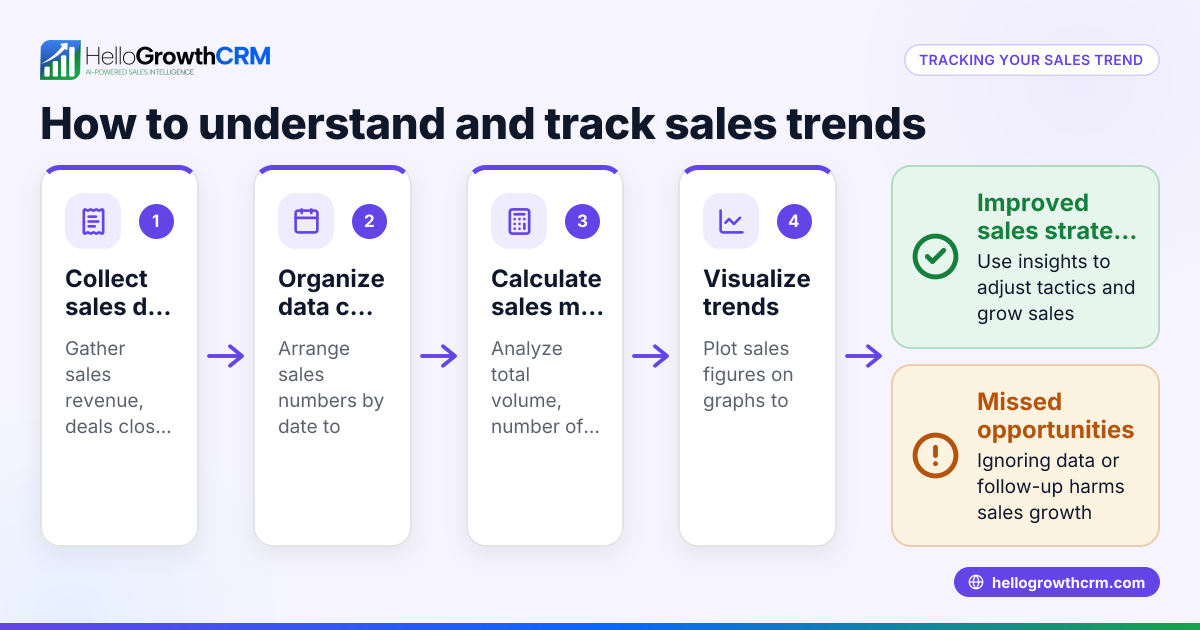
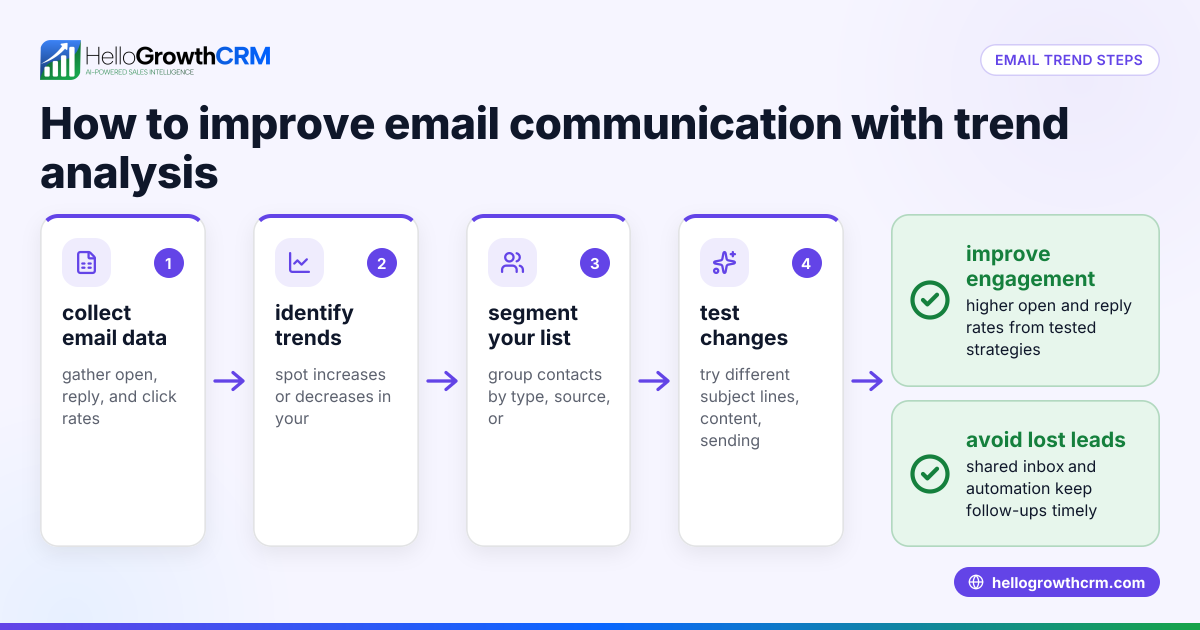
- Collect customer data: Gather information from sales records, customer feedback, website forms, and communication channels like WhatsApp and SMS. Check which products or services are most popular and note any new requests. Use all available sources to avoid missing trends.
- Segment your customers: Group customers by characteristics such as location, purchase history, or communication channel. Check if different segments show different trends. For example, urban customers may prefer different products than regional ones.
- Analyse buying patterns over time: Look for changes in purchase frequency, product preferences or service requests month-to-month or year-to-year. Tracking these over time reveals if shifts are temporary or lasting.
- Monitor customer feedback and support tickets: Track common questions or complaints to identify emerging needs or dissatisfaction. This qualitative data complements sales figures.
- Use referral and customer portal data: Check which products or services are generating referrals and how customers use your self-service portals. This can reveal satisfaction and interest trends.
- Compare your findings with market sources: Check industry news or competitor activity to confirm if your trends align with wider market changes. This helps validate your data.
- Adjust your sales and marketing: Update your sales scripts, promotions and product offerings based on the trends you identify. Use targeted communication channels such as WhatsApp and SMS to reach the right customers.
Example (fictional figures)
A Perth plumbing and gas business notices a rise in requests for solar water heaters starting January 2026.
- January 2026 sales for solar water heaters = A$12,000
- February 2026 sales = A$18,000
- March 2026 sales = A$27,000
Calculate the percentage increase from January to March:
Step 1: Calculate increase amount: A$27,000 - A$12,000 = A$15,000 Step 2: Calculate percentage increase: (A$15,000 ÷ A$12,000) × 100 = 125%
This 125% increase over three months shows a strong upward trend in customer interest.
Common mistakes
- Ignoring data sources: Not collecting data from all channels like WhatsApp or SMS can miss key trends. Prevent this by centralising data collection.
- Overlooking customer segments: Treating all customers the same hides important differences. Always segment your data.
- Reacting too late: Waiting until sales drop before analysing trends means lost opportunities. Review trends regularly.
- Focusing only on sales numbers: Ignoring customer feedback or support tickets misses early signals. Include qualitative data.
- Not updating sales tools: Using outdated scripts or spreadsheets slows response to trends. Use CRM tools designed for sales teams.
Doing this in HelloGrowthCRM
HelloGrowthCRM helps you track customer trends by keeping all service requests, referrals, and support tickets linked to the same customer record as the deal. The branded self-service customer portal lets customers access support and information, while the referral programme tracks new leads. The knowledge base and ticket system help you monitor common issues and requests, making trend spotting easier. Learn more about the customer health score feature that complements trend tracking.
Frequently asked questions
What are customer trends and why do they matter? Customer trends are shifts in buying behaviour and preferences. They matter because recognising them helps businesses adapt and stay competitive.
How often should I check for customer trends? Regularly — monthly or quarterly reviews help catch changes early and adjust your sales approach promptly.
Can I track customer trends without software? Yes, but it requires collecting data manually from sales, feedback and communications. Using a CRM like HelloGrowthCRM simplifies this by centralising data from WhatsApp, SMS and email.
How do customer trends affect marketing? They guide which products to promote, what messages to use, and which customer segments to target.
What is the role of customer segmentation in trend analysis? Segmenting customers reveals which groups are driving trends, allowing more targeted responses.
How can I act on trends I find? Update your sales scripts, product offerings and marketing campaigns based on identified trends. Use tools like WhatsApp and SMS CRM to communicate effectively.
Key takeaways
- Customer trends are patterns in behaviour and preferences that change over time.
- Collect and segment customer data from all channels, including WhatsApp and SMS.
- Analyse sales, feedback and support tickets regularly to spot trends early.
- Avoid common mistakes like ignoring segments or delaying action.
- HelloGrowthCRM keeps customer interactions and service requests linked to deals, aiding trend tracking.
Start tracking your customer trends today to improve sales and customer satisfaction. Start on the Free Forever plan (200 leads, no credit card).
Ready to put this into practice?
Set up your pipeline, WhatsApp follow-ups, and AI lead scoring in minutes — free, no credit card.
Try HelloGrowthCRM freeGet CRM tips in your inbox
Join thousands of sales professionals who get weekly insights on CRM strategy, AI automation, and pipeline optimization.

The HelloGrowthCRM team publishes guides on CRM strategy, AI sales tools, and revenue operations for small business sales teams.