HelloGrowthCRM software
Built for real small-business sales teams
HelloGrowthCRM helps reps qualify faster, follow up on time, and close more deals—with practical automation in one place.
- AI lead scoring and pipeline visibility
- Built-in dialer, WhatsApp, and email automation
- Sales forecasting and RevOps-ready reporting
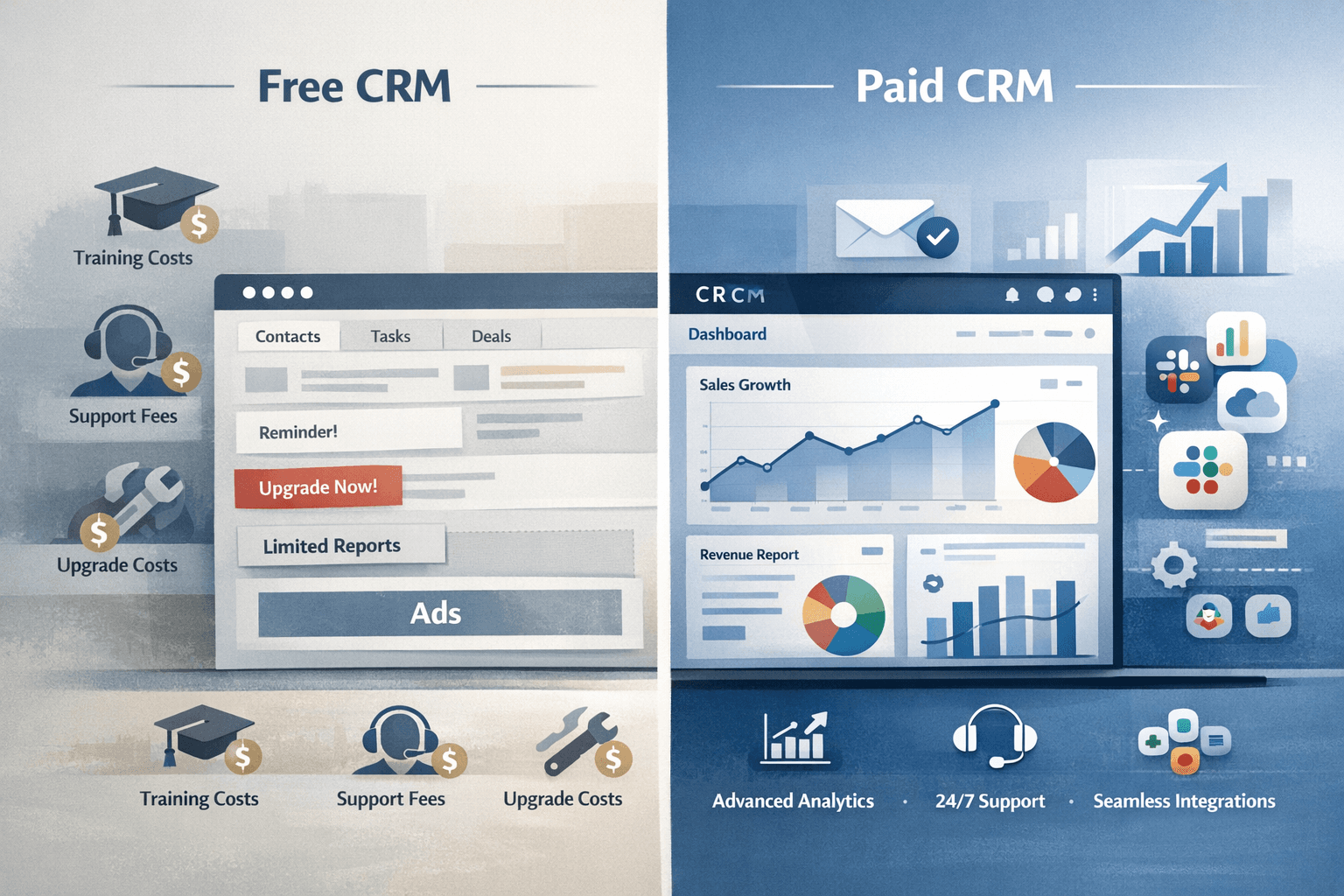
Free CRM vs Paid CRM: Hidden Costs You Need to Know
In the fast-paced world of small business sales, choosing the right CRM can be a daunting task. Many small business owners and sales leaders often find themselves torn between free CRM solutions and paid options. While free CRMs may seem appealing due to their no-cost nature, hidden costs can quickly add up, leading to inefficiencies and lost opportunities. This article will explore the best CRM for small business needs, focusing on the potential hidden costs of both free and paid CRMs, and how HelloGrowthCRM can provide a comprehensive solution.
When considering a CRM, it’s essential to evaluate what features you genuinely need. Free CRM solutions often come with limited capabilities, pushing users to rely on spreadsheets or point tools to fill the gaps. These alternatives might seem cost-effective initially, but they can lead to a fragmented sales process, making it difficult to track leads and manage customer relationships effectively.
- Limited functionality often leads to:
- Increased manual work
- Higher chances of errors
- Lack of integration with other tools
On the other hand, paid CRMs typically offer a broader range of features, but they can also introduce unexpected costs. Beyond the subscription fees, businesses may face additional charges for add-ons, integrations, or premium support. It’s crucial to conduct a thorough analysis of these potential expenses before making a decision.
The Importance of Features
When evaluating CRMs, consider the essential features that will support your sales team in achieving their goals. A good CRM should include:
- Pipeline management to visualize and manage sales processes
- Automation tools to streamline routine tasks
- Task boards for better organization and accountability
- AI lead scoring to prioritize leads effectively
- Communication tools like WhatsApp/SMS integration for instant outreach
HelloGrowthCRM excels in these areas, providing a user-friendly interface that integrates seamlessly with existing workflows. By investing in a paid CRM with robust features, you can save time and reduce the likelihood of costly errors.
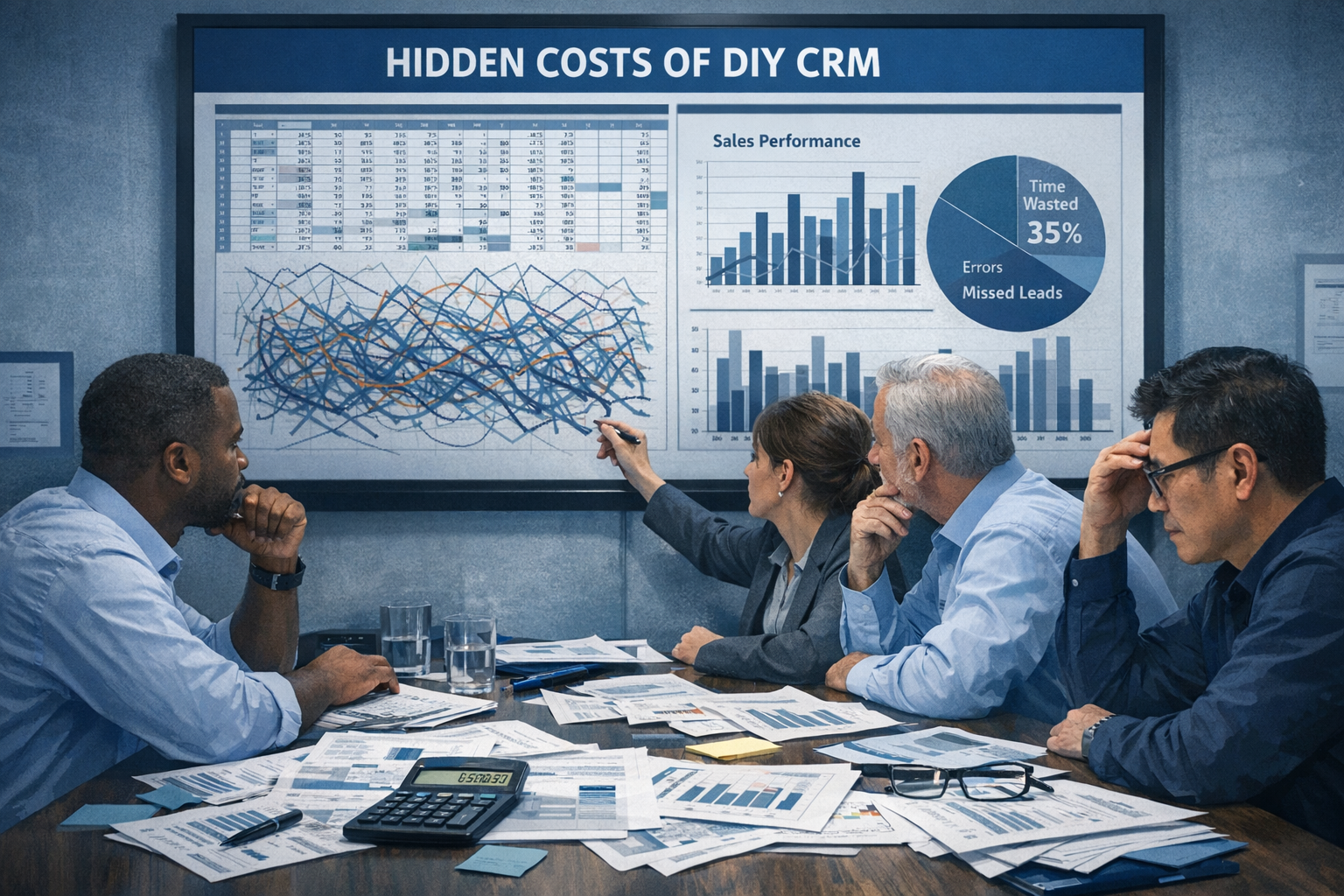
The Hidden Costs of Free CRMs
While free CRMs may appear to be a budget-friendly option, they often come with hidden costs that can impact your business negatively. These costs can manifest in various ways:
- Time lost on manual data entry and management
- Missed opportunities due to lack of automation
- Difficulty in accessing customer insights and analytics
- Limited customer support when issues arise
Free CRMs typically lack the advanced features that paid solutions offer, which can lead to inefficiencies in your sales process. For instance, without built-in automation, your team may spend excessive time on repetitive tasks, detracting from their ability to focus on closing deals.
Comparing Free and Paid CRMs
When comparing free and paid CRMs, consider the following factors:
- Feature set: Paid CRMs usually offer advanced features, while free options may only provide basic functionality.
- Integration capabilities: Paid solutions often integrate with other tools, enhancing productivity.
- Customer support: Paid CRMs typically provide better support, ensuring issues are resolved quickly.
- Scalability: As your business grows, a paid CRM can scale with your needs, while free options may limit your growth potential.
Ultimately, investing in a paid CRM like HelloGrowthCRM can be more cost-effective in the long run. With features designed to streamline sales processes, you can enhance productivity and drive revenue growth.
The Role of Automation
One of the most significant advantages of paid CRMs is the automation capabilities they offer. Automation can help your sales team focus on what matters most—building relationships and closing deals. Consider these automation features:
- Automated lead scoring to prioritize prospects effectively
- Task reminders to keep your team on track
- Email follow-ups to nurture leads without manual effort
HelloGrowthCRM provides powerful automation tools that can help your team save time and improve efficiency. By automating repetitive tasks, your sales team can dedicate more time to engaging with customers and driving sales.
Understanding Total Cost of Ownership
When evaluating CRM options, it’s essential to consider the total cost of ownership (TCO). This includes:
- Subscription fees: The upfront costs of the CRM solution
- Implementation costs: Any costs associated with setting up the system
- Training expenses: Time and resources spent training employees
- Maintenance costs: Ongoing costs for updates and support
Paid CRMs often provide a clearer picture of TCO, while free CRMs can lead to unexpected expenses due to their limitations. By choosing a solution like HelloGrowthCRM, you can have a more predictable cost structure that aligns with your business needs.
Making the Right Choice
To make an informed decision about which CRM is best for your small business, consider the following steps:
1. Assess your business needs: Identify the features that are essential for your sales process. 2. Compare options: Evaluate both free and paid CRMs based on their capabilities and costs. 3. Calculate TCO: Factor in all potential costs associated with each option. 4. Test before you buy: Take advantage of free trials to see how the CRM fits your workflow.
By following these steps, you can choose a CRM that not only meets your current needs but also supports your future growth.
HelloGrowthCRM: A Smart Investment
For small businesses looking for the best CRM, HelloGrowthCRM offers a comprehensive solution that balances affordability with robust features. With tools designed specifically for sales teams, you can optimize your sales process and drive better results.
- Key features of HelloGrowthCRM include:
- AI lead scoring to help prioritize high-quality leads
- Pipeline management for clear visibility into your sales process
- Automation tools to reduce manual tasks
- Integration capabilities with popular tools to enhance productivity
Investing in HelloGrowthCRM means investing in your sales team's success. With a focus on efficiency and growth, you can ensure that your business is well-equipped to thrive in a competitive landscape.
Conclusion
Choosing between a free and a paid CRM is a critical decision for small business owners and sales leaders. While free CRMs may seem appealing initially, the hidden costs can quickly outweigh the benefits. By understanding the features, potential expenses, and overall TCO, you can make a more informed decision. HelloGrowthCRM stands out as a powerful option that can help your sales team succeed without breaking the bank.
HelloGrowthCRM makes it easy to take the next step. You can Explore HelloGrowthCRM features, Check our pricing plans, Schedule a live demo, or Try HelloGrowthCRM for free and see how it fits your team's workflow within minutes.
The platform includes Learn about AI lead scoring — built to help growing teams qualify leads, automate follow-up, and report on pipeline health with confidence.
You can also explore Discover integration options, See all tools available to connect the tools and resources your team already relies on.
With the right CRM in place, your business can streamline processes, enhance customer relationships, and ultimately drive more sales.
Ready to put this into practice?
Set up your pipeline, WhatsApp follow-ups, and AI lead scoring in minutes — free, no credit card.
Try HelloGrowthCRM freeGet CRM tips in your inbox
Join thousands of sales professionals who get weekly insights on CRM strategy, AI automation, and pipeline optimization.

The HelloGrowthCRM team publishes guides on CRM strategy, AI sales tools, and revenue operations for small business sales teams.