HelloGrowthCRM software
Built for real small-business sales teams
HelloGrowthCRM helps reps qualify faster, follow up on time, and close more deals—with practical automation in one place.
- AI lead scoring and pipeline visibility
- Built-in dialer, WhatsApp, and email automation
- Sales forecasting and RevOps-ready reporting
CRM Cost Analysis: Uncover Hidden Expenses
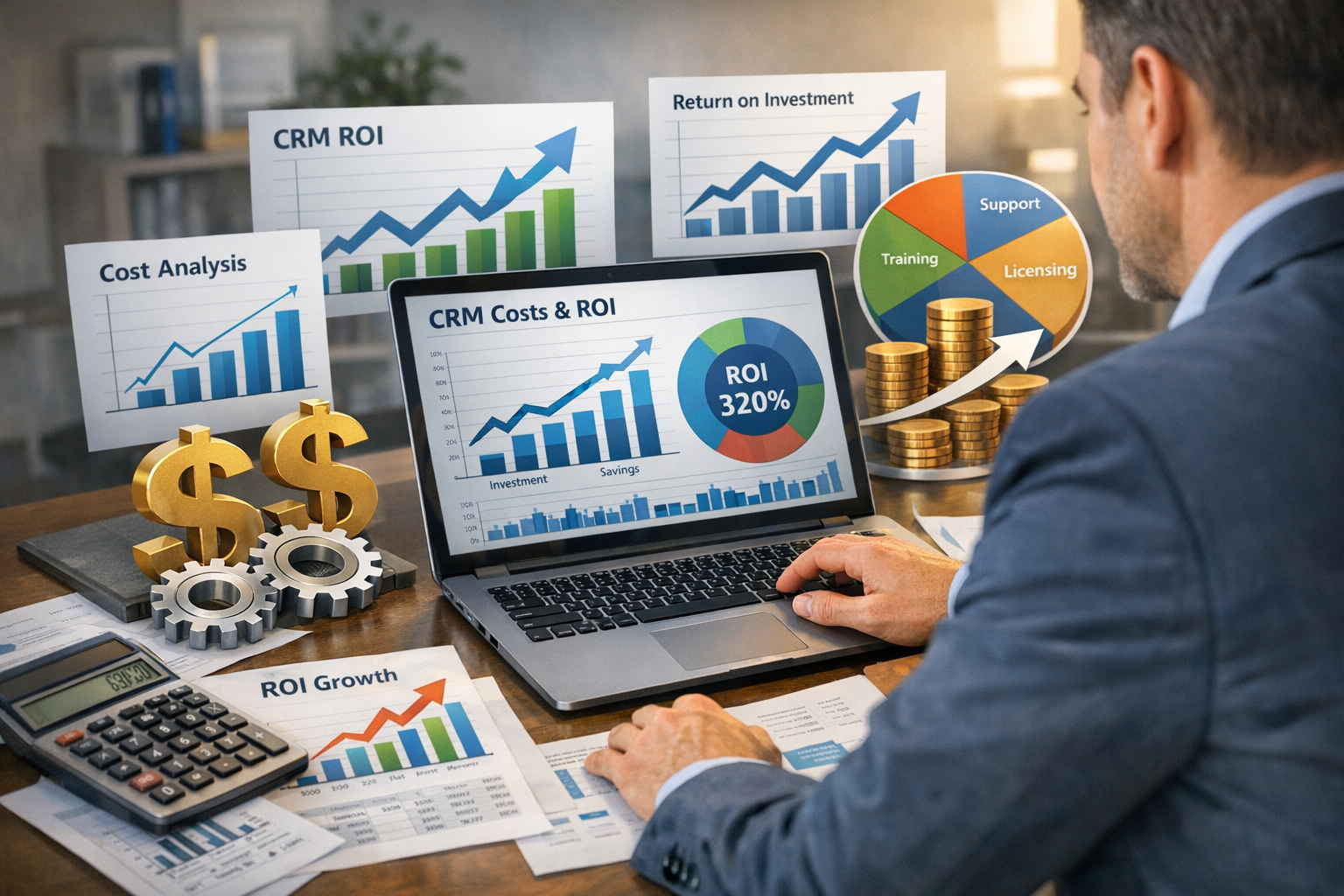
Understanding the true cost of a Customer Relationship Management (CRM) system is essential for any business. Many companies only think about the initial licensing fees. However, hidden costs can greatly affect your overall budget. This analysis will help you find and manage these hidden expenses effectively.
Initial Costs of CRM Systems
When you consider the cost of a CRM system, the first number that comes to mind is usually the licensing fee. This fee can vary widely. It depends on the features and capabilities of the system. However, you must look beyond this initial payment.
Other upfront costs may include:
- Hardware purchases
- Customization expenses
- Integration with existing systems
These initial expenses can add up quickly. They can lead to a higher financial commitment than you expected.
Ongoing Costs of CRM Systems
After the initial costs, there are ongoing costs to consider. These costs can affect your budget over time. They may include:
- Subscription fees
- Maintenance fees
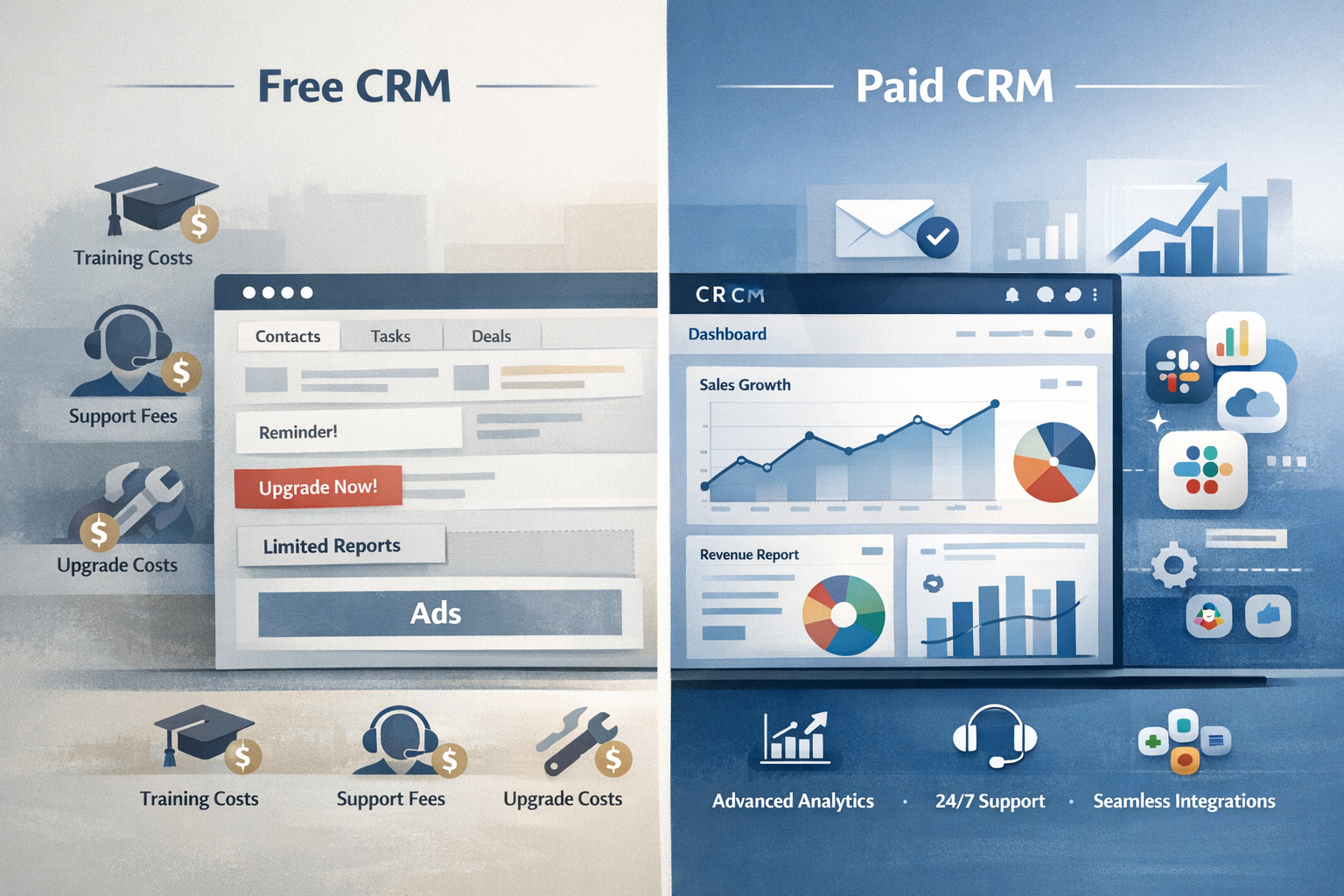
- Training costs
- Support services
Subscription fees are often paid monthly or annually. Maintenance fees help keep the system running smoothly. Training costs ensure your team can use the system effectively. Support services provide assistance when issues arise.
Ignoring these ongoing costs can lead to budget surprises. Always factor them into your Total Cost of Ownership (TCO).
Hidden Costs of CRM Systems
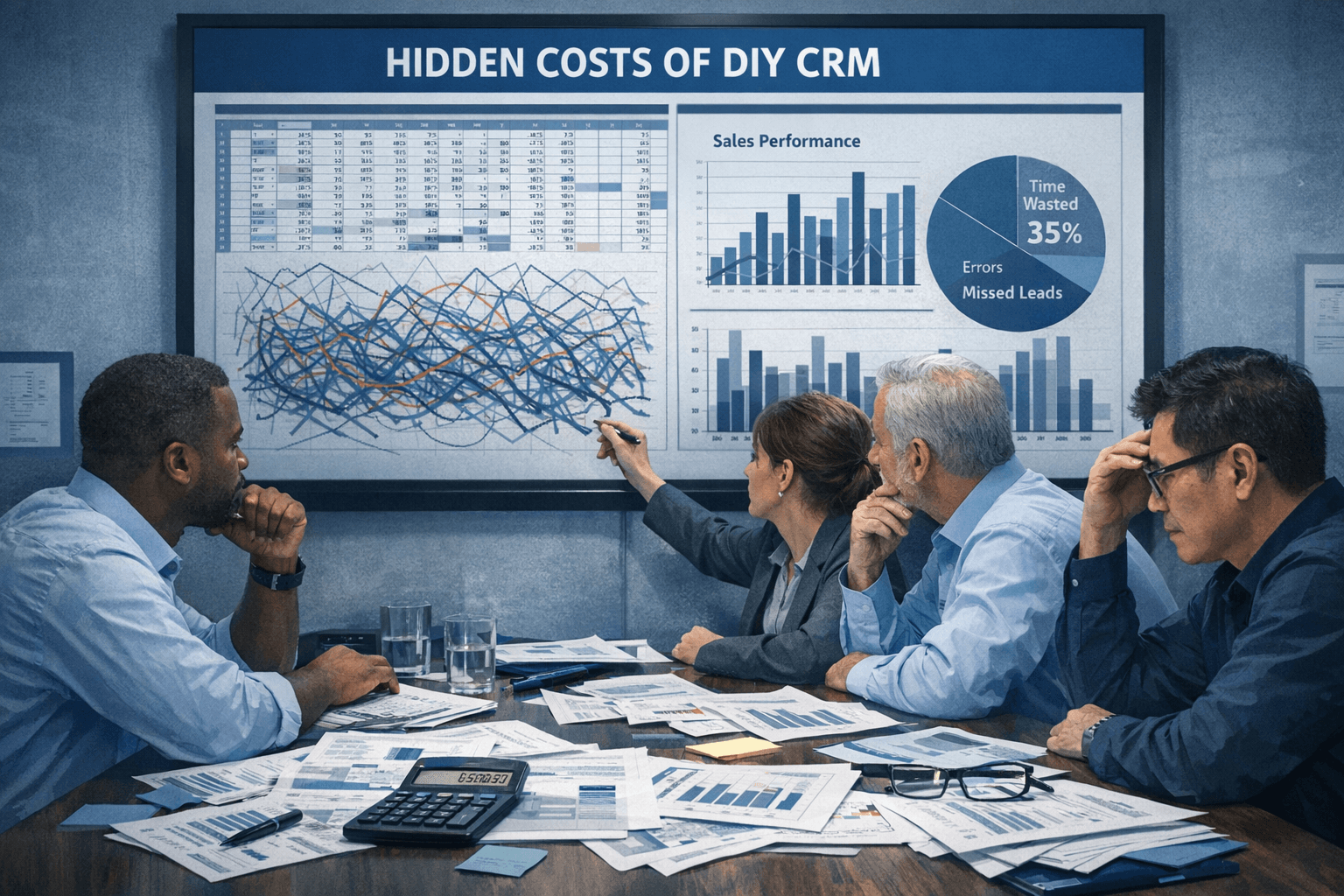
Beyond initial and ongoing costs, hidden expenses can arise. These costs can sneak up on you and impact your budget. Common hidden costs include:
- Data migration fees
- Custom development costs
- User adoption challenges
- Opportunity costs
Data migration fees occur when you move data from one system to another. Custom development costs arise when you need specific features not included in the base package. User adoption challenges can lead to delays and additional training. Opportunity costs represent lost revenue when the system isn't used effectively.
Identifying these hidden costs is crucial. It helps you prepare for the true financial impact of your CRM system.
Total Cost of Ownership (TCO)
Total Cost of Ownership (TCO) is a comprehensive way to look at CRM costs. It includes all expenses related to the CRM system over its lifetime. TCO gives you a clearer picture of what you will spend.
To calculate TCO, consider:
- Initial costs
- Ongoing costs
- Hidden costs
- Potential savings from improved efficiency
Understanding TCO helps you make informed decisions. It allows you to compare different CRM options effectively.
Comparing CRM Options
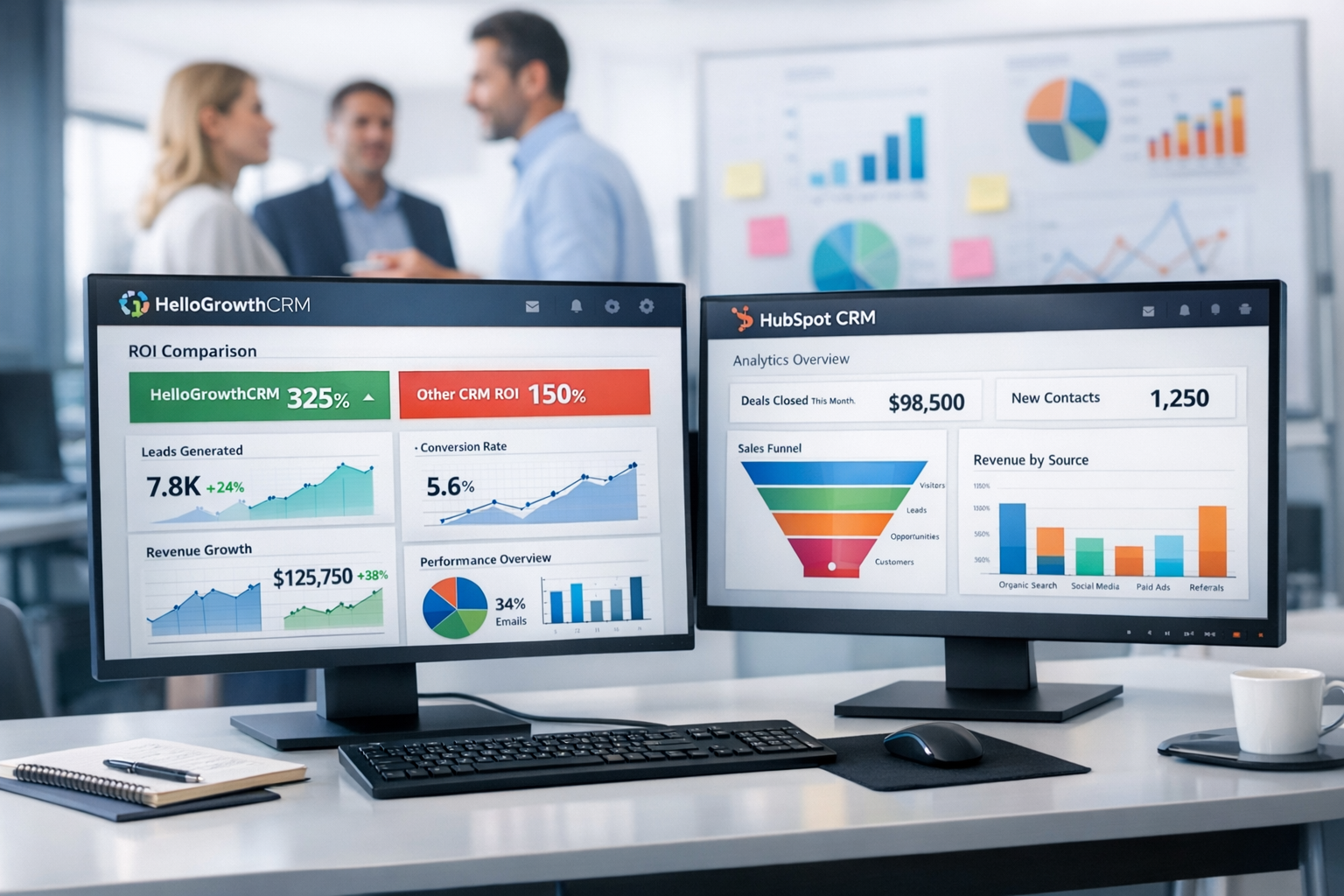
When you evaluate different CRM systems, look beyond the price tag. Compare the TCO for each option. This will help you see which system offers the best value.
Consider the following when comparing options:
- Features and capabilities
- Scalability for future growth
- Integration with existing tools
- User experience
A system that seems cheap upfront may have high hidden costs. Always consider the long-term impact of your choice.
Budgeting for CRM Costs
Creating a budget for your CRM system is essential. Start by listing all potential costs. Include initial, ongoing, and hidden costs in your budget.
Here are steps to help you budget effectively:
- Research different CRM options and their costs.
- Estimate initial expenses, including licensing and hardware.
- Calculate ongoing costs, like subscriptions and support.
- Identify potential hidden costs.
- Review your budget regularly and adjust as needed.
By budgeting effectively, you can avoid surprises and stay on track.
Optimizing CRM Costs
Once you have a budget, focus on optimizing your CRM costs. Here are some strategies to consider:
- Choose a system that fits your needs without unnecessary features.
- Negotiate pricing with vendors.
- Take advantage of free trials to test systems before committing.
- Train your team to ensure they use the system efficiently.
By optimizing costs, you can enhance your return on investment (ROI). This will support your business growth.
Conclusion
Understanding CRM costs is vital for any business. Look beyond the initial licensing fees. Consider ongoing and hidden costs to get a complete picture.
Calculate your Total Cost of Ownership to make informed decisions. Create a budget that includes all potential expenses. Optimize your CRM costs to enhance your ROI.
By taking these steps, you can ensure your CRM system supports your business growth effectively.
FAQ
1. What are the main costs associated with a CRM system?
The main costs include initial licensing fees, ongoing subscription fees, and hidden expenses like data migration.
2. How can I identify hidden costs in a CRM system?
Look for costs related to data migration, custom development, and user training.
3. What is Total Cost of Ownership (TCO)?
TCO is the total cost of owning a CRM system over its lifetime, including all expenses.
4. How can I optimize my CRM costs?
Choose the right system for your needs, negotiate prices, and ensure proper training for your team.
5. Why is it important to budget for CRM costs?
Budgeting helps you avoid surprises and ensures you can manage your financial commitments effectively.
Ready to optimize your CRM experience? Try HelloGrowthCRM today! Explore our Features and see how we can help your business grow. Sign up for a Free Trial or request a Demo to learn more.
Ready to put this into practice?
Set up your pipeline, WhatsApp follow-ups, and AI lead scoring in minutes — free, no credit card.
Try HelloGrowthCRM freeGet CRM tips in your inbox
Join thousands of sales professionals who get weekly insights on CRM strategy, AI automation, and pipeline optimization.

The HelloGrowthCRM team publishes guides on CRM strategy, AI sales tools, and revenue operations for small business sales teams.