HelloGrowthCRM software
Built for real small-business sales teams
HelloGrowthCRM helps reps qualify faster, follow up on time, and close more deals—with practical automation in one place.
- AI lead scoring and pipeline visibility
- Built-in dialer, WhatsApp, and email automation
- Sales forecasting and RevOps-ready reporting
Tracking unpaid customer invoices is essential for maintaining healthy cash flow and ensuring your business remains financially stable. Many small businesses in the UK struggle with delayed payments, which can cause cash shortages and affect operations. This guide explains why unpaid invoices happen, how to track them step-by-step, a practical example using UK figures, common mistakes and how to prevent them, plus how HelloGrowthCRM can help streamline this task.
Why this comes up / what goes wrong
Small businesses often issue invoices and wait for payment, but without a clear system to track which invoices remain unpaid, it is easy to lose track. This can happen when invoices are managed across multiple platforms like spreadsheets, email, or messaging apps such as WhatsApp. Delays in follow-up reduce the chance of timely payment. Also, lacking a clear overview of payment status means overdue invoices may not be chased promptly. This leads to cash flow problems, difficulty forecasting income, and wasted time resolving payment disputes.
Step-by-step
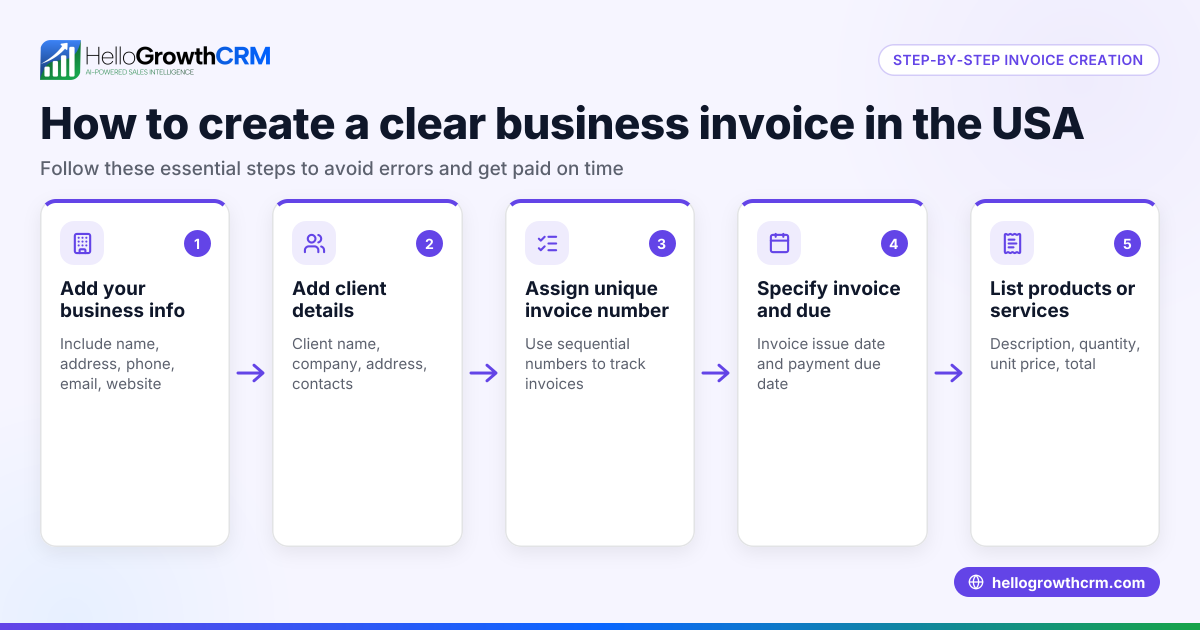
- Collect all invoice records in one place. Gather invoices issued to customers, including date, amount, and payment terms. Use a spreadsheet, accounting software, or CRM with invoicing features.
- Create a tracking table or system. List each invoice with columns for invoice number, customer name, issue date, due date, amount, payment status (paid/unpaid/partially paid), and payment date if applicable.
- Sort invoices by due date. This helps prioritise which unpaid invoices need follow-up first.
- Regularly update payment status. When you receive payments, mark invoices as paid and note the date. For partial payments, update the outstanding balance.
- Set reminders for overdue invoices. Identify invoices past their due date and schedule follow-up calls or emails.
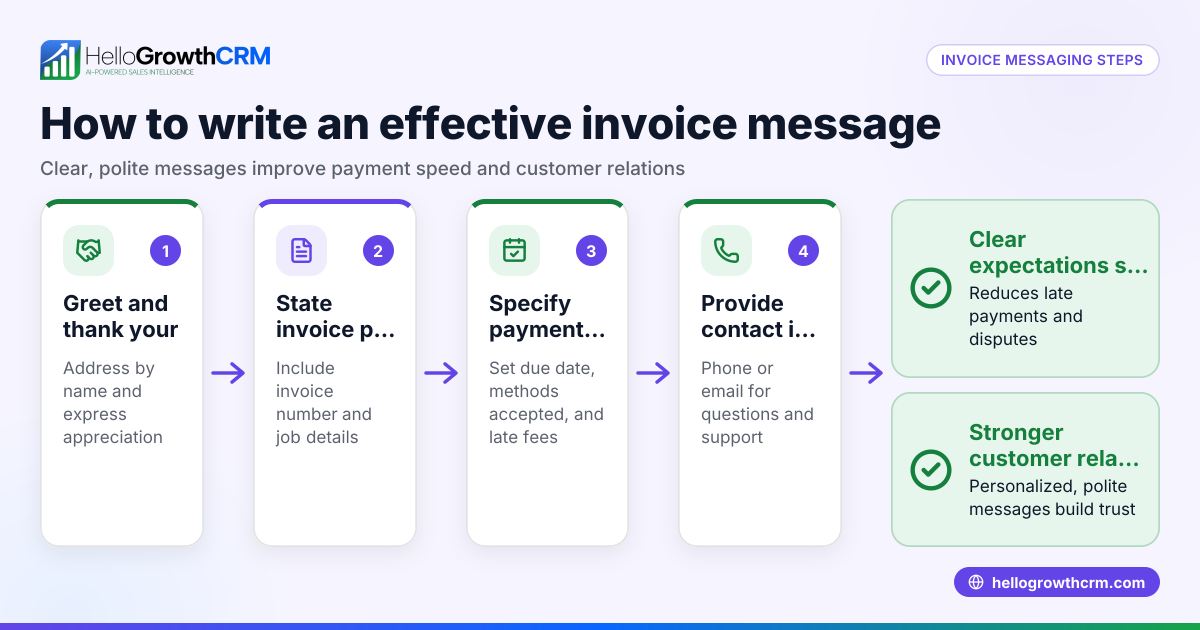
- Follow up promptly. Contact customers about overdue invoices using polite but clear communication. Keep records of all correspondence.
- Review your unpaid invoice report weekly. This helps you stay on top of outstanding payments and adjust credit terms if needed.
- Use invoice status to forecast cash flow. Knowing which payments are due soon helps plan expenses and investments.
- Keep all communication and invoice documents linked to customer records. This centralisation avoids losing information across channels like email and WhatsApp.
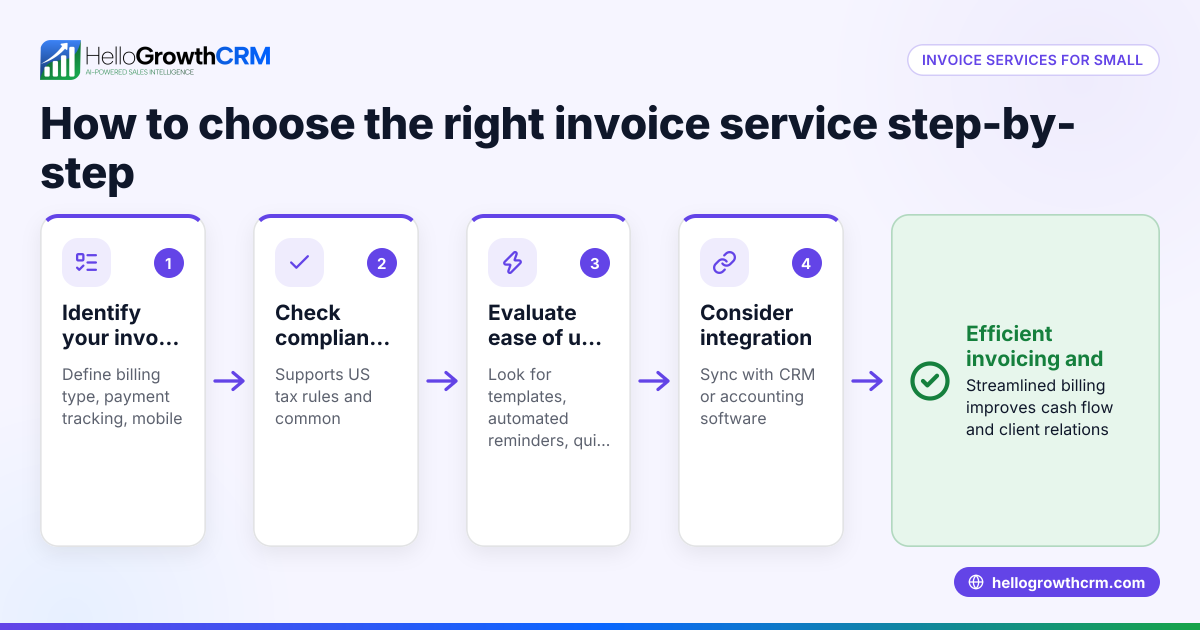
- Consider using a CRM with invoice and payment tracking features. This can automate reminders, centralise documents, and track payment status efficiently.
Example (fictional figures)
A letting agency in Manchester issued an invoice on 15/03/2024 for £3,200 to a tenant for rent due on 15/04/2024. They want to track if this invoice is unpaid after the due date.
| Step | Action | Calculation/Check |
|---|---|---|
| 1 | Record invoice details | Invoice number: INV1001; Customer: John Smith; Issue date: 15/03/2024; Due date: 15/04/2024; Amount: £3,200 |
| 2 | Add to tracking table | Invoice: INV1001; Status: Unpaid; Amount outstanding: £3,200 |
| 3 | On 20/04/2024, check if payment received | Today is 20/04/2024; Due date was 15/04/2024; Invoice is 5 days overdue |
| 4 | Payment received on 22/04/2024 for £1,600 | £3,200 - £1,600 = £1,600 outstanding |
| 5 | Update status to Partially Paid, outstanding £1,600 | |
| 6 | Follow up on 25/04/2024 for remaining £1,600 |
This clear tracking enables the agency to chase the unpaid balance on time and reduce cash flow delays.
Common mistakes
- Not centralising invoice records. Prevent this by keeping all invoices and payment statuses in one system or document.
- Ignoring overdue invoices. Set automatic reminders or schedule regular reviews to avoid missing follow-ups.
- Mixing communication channels. Keep all payment conversations linked to the invoice record to avoid confusion, especially if you use WhatsApp or email. HelloGrowthCRM supports this integration with its WhatsApp and SMS CRM features.
- Failing to update payment status promptly. Update your tracking system as soon as payments arrive to maintain accuracy.
- Not using invoice status for cash flow forecasts. Regularly review unpaid invoices to predict incoming payments and plan accordingly.
- Overcomplicating tracking with too many columns or fields. Keep your tracking simple but complete to avoid errors.
Doing this in HelloGrowthCRM
HelloGrowthCRM offers a built-in quoting and proposal tool that lets you create, send, and track quotes and invoices directly from the deal record. You can see the status of each document—whether sent, viewed, or accepted—on the same screen as your follow-up tasks, simplifying your workflow. After the sale, service requests and tickets remain linked to the same customer record, keeping everything organised in one place. Learn more about these features on HelloGrowthCRM for the United Kingdom and the customer health score page.
Frequently asked questions
How often should I check for unpaid invoices? You should review your unpaid invoices at least once a week. This helps you catch overdue payments early and plan follow-ups promptly.
What is the best way to remind customers about unpaid invoices? Start with a polite email reminder shortly after the due date. If unpaid, follow up with a phone call or WhatsApp message. Keep all communication professional and documented.
Can I track invoices and payments in WhatsApp? While WhatsApp alone isn’t designed for invoice tracking, HelloGrowthCRM integrates WhatsApp messaging with invoice and payment tracking, allowing you to manage communications and payments from one platform.
How do I handle partial payments? Record the partial payment amount and update the outstanding balance in your tracking system. Follow up on the remaining balance with clear communication.
Should I send invoices via email or post? Email is faster and easier to track. For customers who prefer paper, postal invoices are acceptable but may delay payment. Digital delivery also allows you to use tools like HelloGrowthCRM to monitor invoice status.
Key takeaways
- Centralise all invoice records and payment statuses in one system.
- Regularly update and review unpaid invoices to identify overdue payments.
- Follow up promptly and keep all communication linked to customer records.
- Use invoice status for cash flow forecasting and planning.
- Avoid mixing communication channels without central tracking.
- Consider a CRM like HelloGrowthCRM to automate and simplify tracking.
Tracking unpaid customer invoices need not be complicated. By following these clear steps and avoiding common mistakes, you can improve your cash flow and reduce payment delays. To get started with a tool that integrates invoices, payments, and WhatsApp communication in one place, Start on the Free Forever plan (200 leads, no credit card).
Ready to put this into practice?
Set up your pipeline, WhatsApp follow-ups, and AI lead scoring in minutes — free, no credit card.
Try HelloGrowthCRM freeGet CRM tips in your inbox
Join thousands of sales professionals who get weekly insights on CRM strategy, AI automation, and pipeline optimization.

The HelloGrowthCRM team publishes guides on CRM strategy, AI sales tools, and revenue operations for small business sales teams.