HelloGrowthCRM software
Built for real small-business sales teams
HelloGrowthCRM helps reps qualify faster, follow up on time, and close more deals—with practical automation in one place.
- AI lead scoring and pipeline visibility
- Built-in dialer, WhatsApp, and email automation
- Sales forecasting and RevOps-ready reporting
An invoice is a commercial document issued by a seller to a buyer that details the products or services supplied and the amount due. While an invoice itself is not a formal legal contract, it can be used as evidence in disputes or to support claims for payment. To be legally effective, an invoice should clearly state essential information and reflect the terms agreed between parties.
Why this comes up / what goes wrong
Many small business owners in the UK wonder if invoices are legal documents because they rely on them to request payment and keep financial records. Problems arise when invoices lack key details, are disputed by customers, or when businesses try to enforce payment without a clear agreement. Without understanding the legal status of invoices, business owners may issue incomplete invoices, delay payments, or struggle to resolve disputes.
For example, a small recruitment consultancy might send an invoice without a clear payment deadline or omit VAT details, leading to confusion or delayed payment. Similarly, businesses running sales through informal channels like WhatsApp or spreadsheets may lose track of invoices or fail to follow up effectively. Knowing what makes an invoice legally significant helps avoid these issues and supports smoother cash flow.
Step-by-step
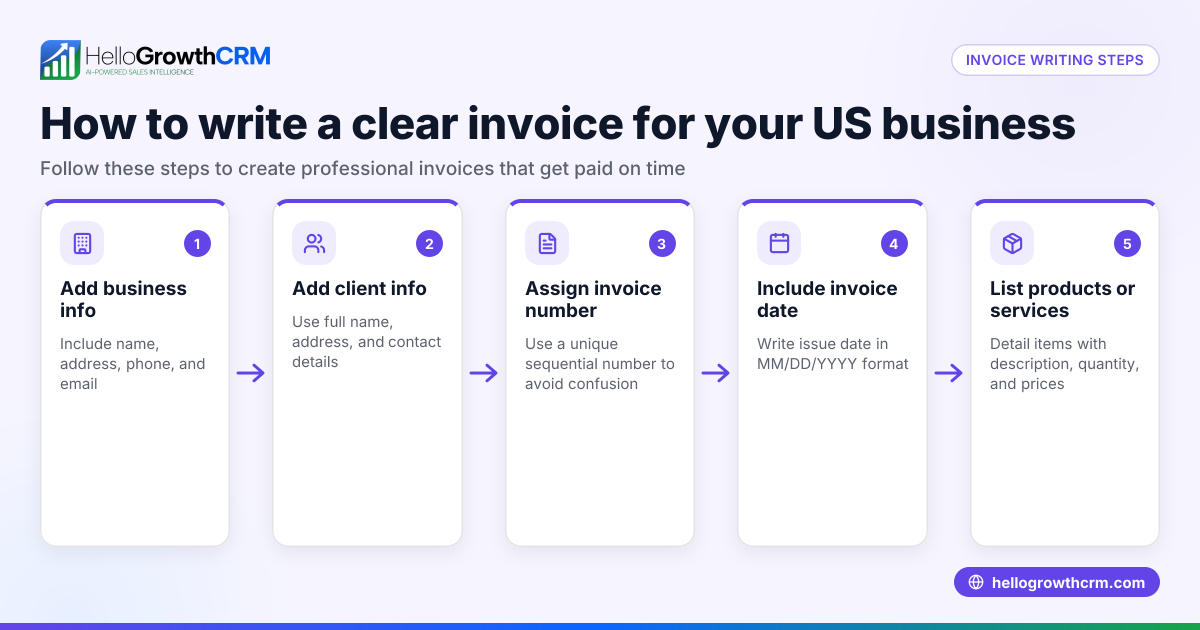
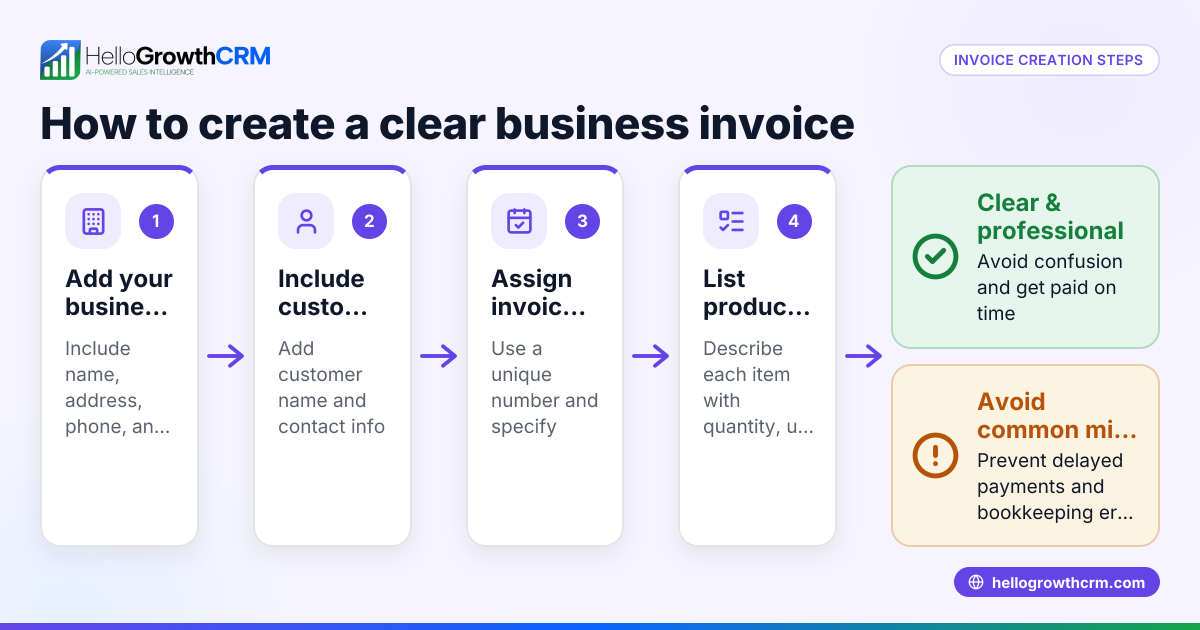
- Prepare your invoice with essential details: Include your business name, address, and contact details. Add the buyer’s information, a unique invoice number, and the date of issue. Describe the goods or services supplied, quantity, unit price, total amount payable, and payment terms such as due date and accepted payment methods.
- Check compliance with UK business regulations: If your business is VAT registered, include your VAT registration number, the VAT rate charged, and the VAT amount separately. Ensure the invoice format is clear, professional, and easy to understand.
- Send the invoice promptly: Deliver your invoice by email, post, or through a CRM system that supports invoice sending and tracking. Prompt sending helps avoid payment delays and keeps the transaction transparent.
- Keep accurate records: Retain copies of all invoices sent and received for at least six years for tax and legal purposes. Organise digital or physical copies so they are easy to find if needed.
- Follow up on unpaid invoices: Use reminders and escalate if necessary. Document all communication regarding payment to support any future dispute resolution.
- Use tools to streamline invoicing: Consider using CRM software that integrates quotes, proposals, and invoicing with follow-up tasks to keep your sales process organised and efficient.
Example (fictional figures)
A recruitment consultancy in Bristol provides services to a client on 15/04/2026.
- Service fee agreed: £3,000
- VAT (assumed illustrative rate 20%): £3,000 × 20% = £600
- Total invoice amount: £3,000 + £600 = £3,600
The invoice issued on 15/04/2026 includes:
- Unique invoice number: 2026-045
- Consultant’s details and client’s details
- Description: Recruitment services for April 2026
- Payment terms: 30 days from invoice date
This invoice supports the consultancy’s claim for payment and can be used as evidence if payment is delayed or disputed.
Common mistakes
- Missing essential information: Prevent this by using an invoice template or software that prompts for required fields such as invoice number, dates, and payment terms.
- Not including VAT details when applicable: Check your VAT registration status and include VAT number and amounts as needed to comply with tax rules.
- Sending invoices late or losing track: Use a CRM or invoicing tool to send and track invoices efficiently, avoiding delays and confusion.
- Failing to keep records: Keep digital or physical copies organised for legal and tax compliance, especially for the required six years.
- Ignoring unpaid invoices: Set reminders and follow up systematically to avoid cash flow issues and maintain good customer relationships.
Doing this in HelloGrowthCRM
HelloGrowthCRM offers a built-in quoting and proposal tool that lets you create, send, and track invoices directly from a deal record. You can see the status of your quotation or invoice (sent, viewed, accepted) alongside follow-up tasks, helping your sales team stay organised and responsive. This integration supports managing your sales pipeline effectively while handling quotes and invoices in one place. Learn more about how HelloGrowthCRM supports WhatsApp and SMS CRM and includes a built-in CRM dialer.
Frequently asked questions
Is an invoice the same as a contract? No, an invoice is not a contract. It is a request for payment that reflects agreed terms but does not itself create a contract. The contract usually exists before the invoice, through purchase orders, agreements, or verbal arrangements.
Can I enforce payment just with an invoice? An invoice alone does not guarantee payment. It serves as evidence of what is owed, but enforcement depends on having an underlying agreement. Keeping clear records and terms helps if you need to take legal action.
What details must be on a VAT invoice? A VAT invoice must include your VAT registration number, the VAT rate charged, and the VAT amount separately. It must also contain all standard invoice details like your business and customer information and a unique invoice number.
How long should I keep invoices? UK tax rules require keeping business records, including invoices, for at least six years. This helps in case of tax inspections or disputes.
Can I send invoices via WhatsApp? You can send invoices as attachments via WhatsApp manually, but using a CRM system that integrates WhatsApp messaging alongside invoicing and follow-up tasks can make communication faster and more trackable. HelloGrowthCRM supports this integrated approach.
Key takeaways
- An invoice is not a legal contract but can be evidence of a transaction.
- Include all essential details to make your invoice clear and effective.
- Keep accurate records and follow up on unpaid invoices promptly.
- Use tools like HelloGrowthCRM to create, send, and track invoices efficiently.
- Retain invoices for at least six years for legal and tax compliance.
Start managing your quotes, proposals, and invoices with HelloGrowthCRM. Start on the Free Forever plan (200 leads, no credit card) to organise your sales and improve your follow-up today.
Ready to put this into practice?
Set up your pipeline, WhatsApp follow-ups, and AI lead scoring in minutes — free, no credit card.
Try HelloGrowthCRM freeGet CRM tips in your inbox
Join thousands of sales professionals who get weekly insights on CRM strategy, AI automation, and pipeline optimization.

The HelloGrowthCRM team publishes guides on CRM strategy, AI sales tools, and revenue operations for small business sales teams.