HelloGrowthCRM software
Built for real small-business sales teams
HelloGrowthCRM helps reps qualify faster, follow up on time, and close more deals—with practical automation in one place.
- AI lead scoring and pipeline visibility
- Built-in dialer, WhatsApp, and email automation
- Sales forecasting and RevOps-ready reporting
A request for proposal (RFP) email is a formal message sent by a business to potential suppliers or service providers asking them to submit detailed proposals for a specific project or service. It typically outlines your project requirements, deadlines, and how you will evaluate submissions. Sending an RFP email helps you compare different vendors on a consistent basis and make a well-informed decision.
This article covers why you need an RFP email, how to write one step-by-step, a realistic example with calculations, common mistakes to avoid, and how HelloGrowthCRM can assist in managing your proposals.
Why this comes up / what goes wrong
Small-business owners often need to hire vendors or contractors for projects such as marketing campaigns, software development, construction, or consulting. They send RFP emails to get detailed bids and plans from multiple providers. Without sending a clear RFP email, you risk receiving incomplete or unclear proposals, wasting time chasing details, or missing your project deadlines.
Many small businesses struggle to organize follow-ups and track responses, which can lead to lost opportunities or rushed decisions. Managing multiple proposals via email, text, and spreadsheets can become chaotic, causing delays and confusion.
Step-by-step
- Identify your project needs clearly. Define the scope, deliverables, timeline, and budget range. Make sure you have this information finalized before drafting the email.
- Research potential vendors. Find companies or freelancers with relevant experience. Verify their contact emails and check any referrals or portfolios.
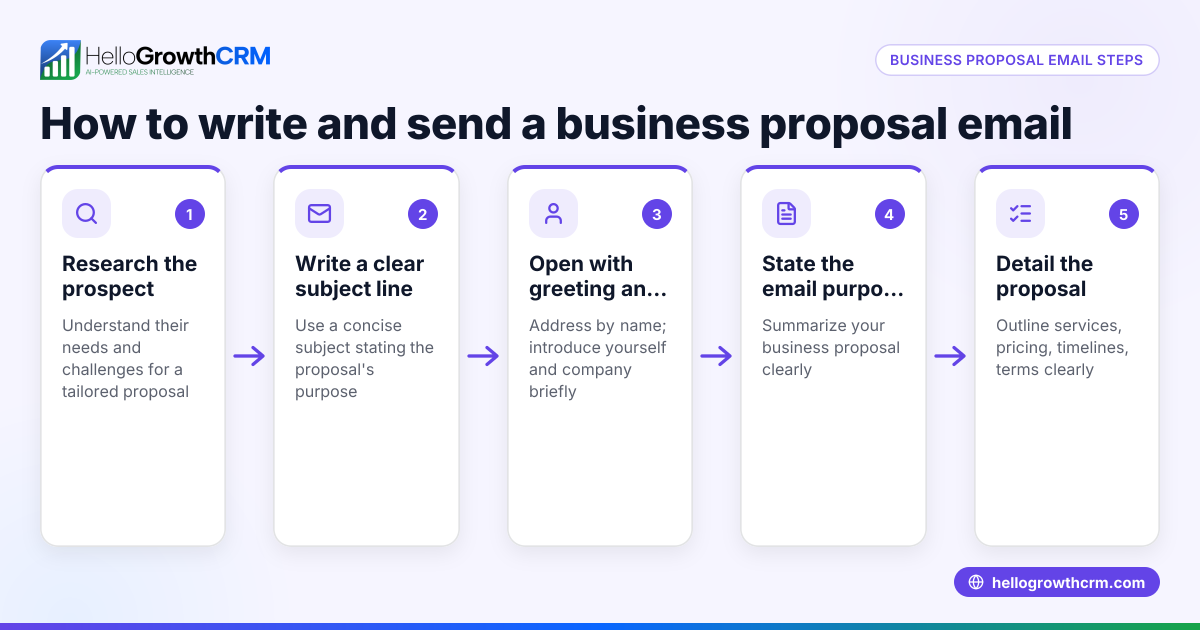
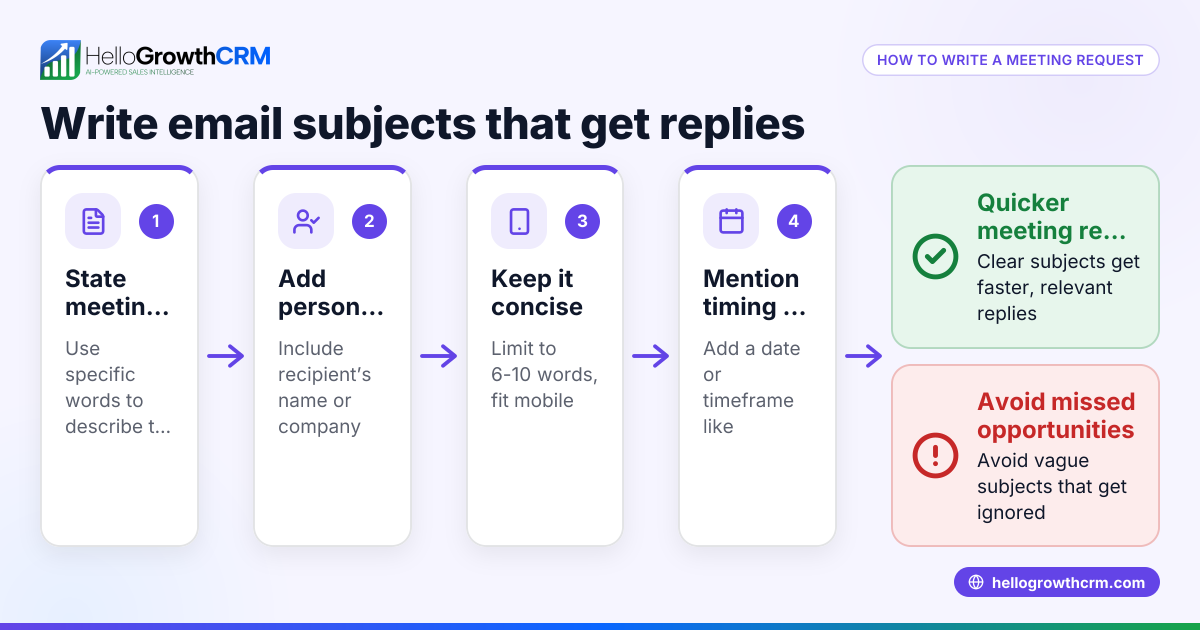
- Write a clear subject line. Use a straightforward phrase like “Request for Proposal: [Project Name]” so your email gets noticed.
- Open with a brief introduction. State who you are, your business, and the purpose of the email.
- Describe the project and requirements in detail. Include technical specifications, service levels, or any other important details.
- Specify proposal submission details. State the format you want proposals in, any documents to include, the deadline for submissions, and how you will evaluate proposals.
- Provide contact information for questions. Let vendors know who to contact and how if they have questions.
- Close with a polite call to action. Encourage recipients to submit proposals by the deadline.
- Proofread and check for clarity. Ensure there is no ambiguous language or missing information.
- Send and track your email. Use tools or CRM features to monitor who opens your email, who replies, and schedule follow-ups accordingly.
For managing follow-ups, consider using email automation and sequences to automate reminders and keep your outreach consistent.
Example (fictional figures)
A residential real estate team in Phoenix, Arizona, needs a vendor to build a new customer relationship website. They send an RFP email on 06/01/2026 with these details:
- Project budget: $25,000
- Proposal deadline: 06/15/2026
- Deliverables: Website design, CRM integration, user training
They receive three proposals:
- Vendor A: $24,000, delivery in 8 weeks
- Vendor B: $26,000, delivery in 6 weeks
- Vendor C: $22,000, delivery in 10 weeks
To compare value, they calculate the cost per week by dividing the price by delivery time:
$24,000 ÷ 8 weeks = $3,000 per week
$26,000 ÷ 6 weeks = $4,333 per week
$22,000 ÷ 10 weeks = $2,200 per week
They choose Vendor C because it offers the best value despite a longer timeline.
Common mistakes
- Being too vague about requirements. Prevent this by listing detailed specs and deliverables clearly.
- Not setting a clear deadline. Always state a firm submission date to avoid delays.
- Forgetting to include contact info for questions. Add a specific contact person and their email or phone number.
- Not tracking responses or follow-ups. Use CRM tools or email sequences to automate reminders and avoid lost replies.
- Sending to unqualified vendors. Research and verify vendor credentials before sending your RFP.
Using a CRM with WhatsApp and SMS CRM features can help keep all communications organized across channels.
Doing this in HelloGrowthCRM
HelloGrowthCRM offers HelloMail, a shared inbox where your team can see all replies to your RFP emails directly from the deal screen, preventing missed messages. You can send and track quotes and proposals from the same deal screen, with statuses like sent, viewed, and accepted shown alongside follow-up tasks. Automated sequences allow you to set up a five-step follow-up over two weeks that stops as soon as a prospect replies, keeping your outreach timely and efficient. Learn more about these features at email automation and sequences.
Frequently asked questions
What is the difference between a request for proposal email and a quote request? An RFP email asks vendors for detailed proposals including their approach, timeline, and pricing. A quote request usually focuses just on price for a defined product or service.
How formal should an RFP email be? It should be professional and clear but can vary in tone depending on your industry and relationship with vendors. Avoid jargon and keep instructions straightforward.
Can I send an RFP email to just one vendor? Yes, but it limits your ability to compare options. Sending to multiple vendors usually leads to better pricing and solutions.
How long should I wait for proposals after sending the RFP email? Waiting times for proposals after sending an RFP email can vary depending on project complexity. Set a clear deadline in your email.
Should I follow up if I don’t get a response? Yes, following up improves your chances of getting proposals. Use automated email sequences to save time and ensure no leads slip through.
Key takeaways
- A request for proposal email formally asks vendors to submit detailed bids.
- Clear project details, deadlines, and contact info are essential.
- Tracking responses and following up prevents lost opportunities.
- Avoid vague requirements and sending to unqualified vendors.
- CRM tools like HelloGrowthCRM can streamline sending, tracking, and following up on RFPs.
Start managing your proposals efficiently and avoid missed leads. Start on the Free Forever plan (200 leads, no credit card).
Ready to put this into practice?
Set up your pipeline, WhatsApp follow-ups, and AI lead scoring in minutes — free, no credit card.
Try HelloGrowthCRM freeGet CRM tips in your inbox
Join thousands of sales professionals who get weekly insights on CRM strategy, AI automation, and pipeline optimization.

The HelloGrowthCRM team publishes guides on CRM strategy, AI sales tools, and revenue operations for small business sales teams.