HelloGrowthCRM software
Built for real small-business sales teams
HelloGrowthCRM helps reps qualify faster, follow up on time, and close more deals—with practical automation in one place.
- AI lead scoring and pipeline visibility
- Built-in dialer, WhatsApp, and email automation
- Sales forecasting and RevOps-ready reporting
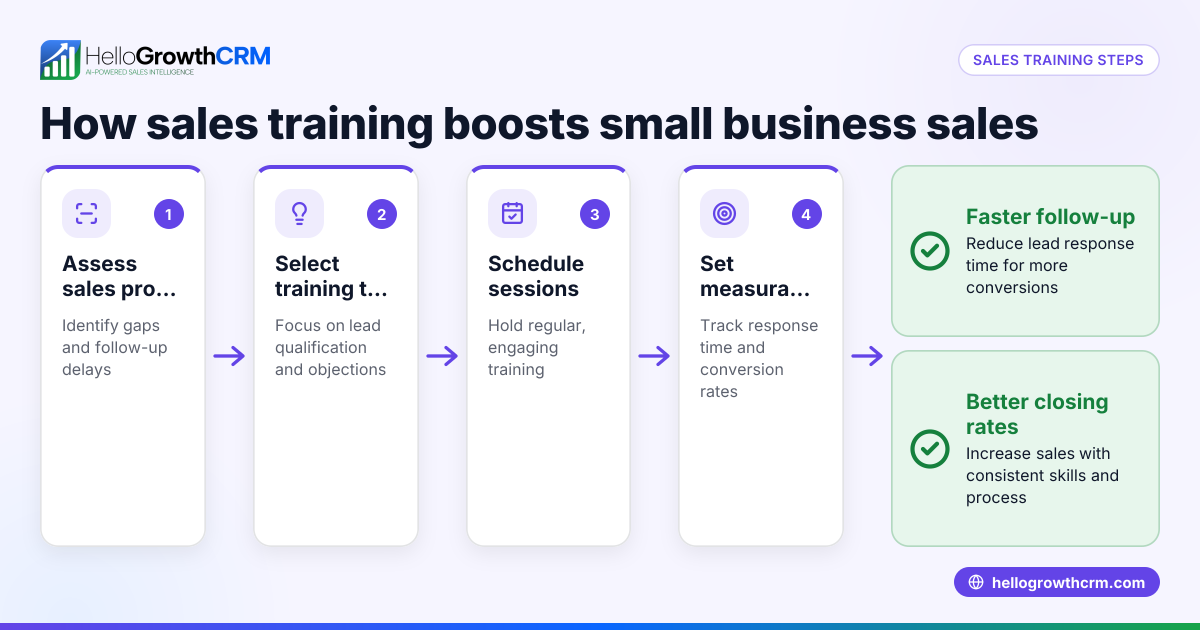
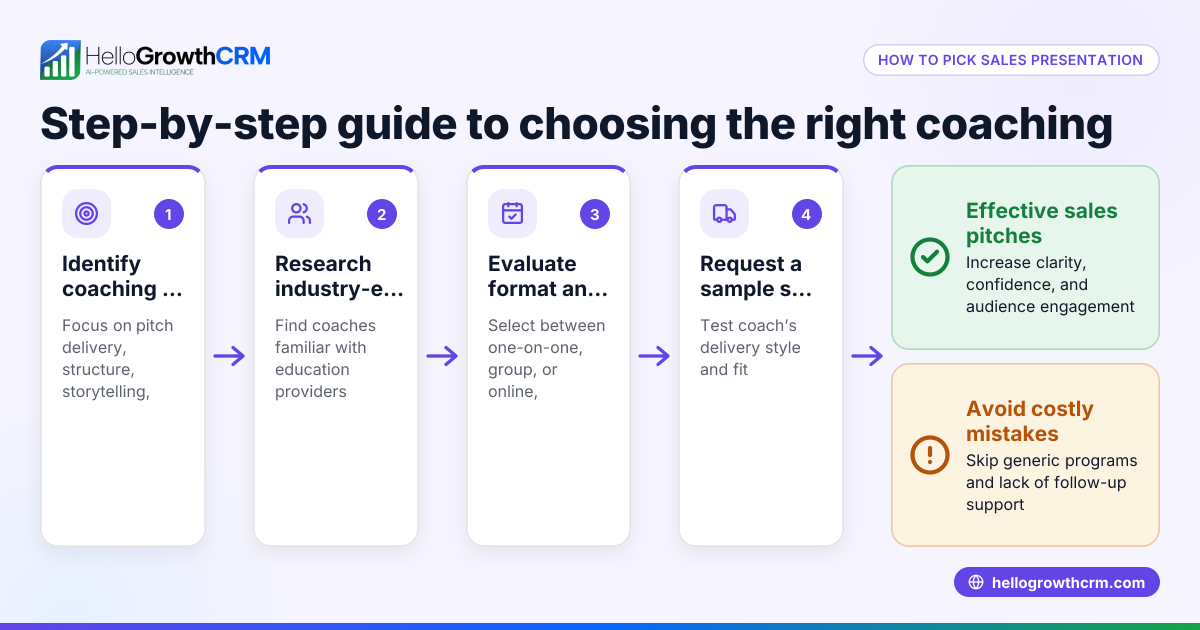
Sales pitch training teaches salespeople how to present products clearly and persuasively. It helps small-business owners and sales teams improve communication, tailor messages, and increase conversions. This article explains why sales pitch training matters, provides step-by-step creation and practice tips, highlights common pitfalls, and shows how HelloGrowthCRM supports sales follow-up with lead capture, qualification, and pipeline tools.
Why this comes up / what goes wrong
Many small-business owners and sales teams struggle with inconsistent or ineffective sales pitches. They might lose leads because their message doesn't connect or because follow-up is slow and disorganized. Sales pitch training comes up as a solution when business owners notice that their sales conversations aren’t converting prospects into customers. Without clear guidance, salespeople may rely on improvisation, leading to missed opportunities and lost revenue.
Common challenges include:
- Difficulty explaining the product’s value quickly and clearly.
- Inability to handle objections confidently.
- Lack of a repeatable structure for the pitch.
- Poor timing or failure to follow up after initial contact.
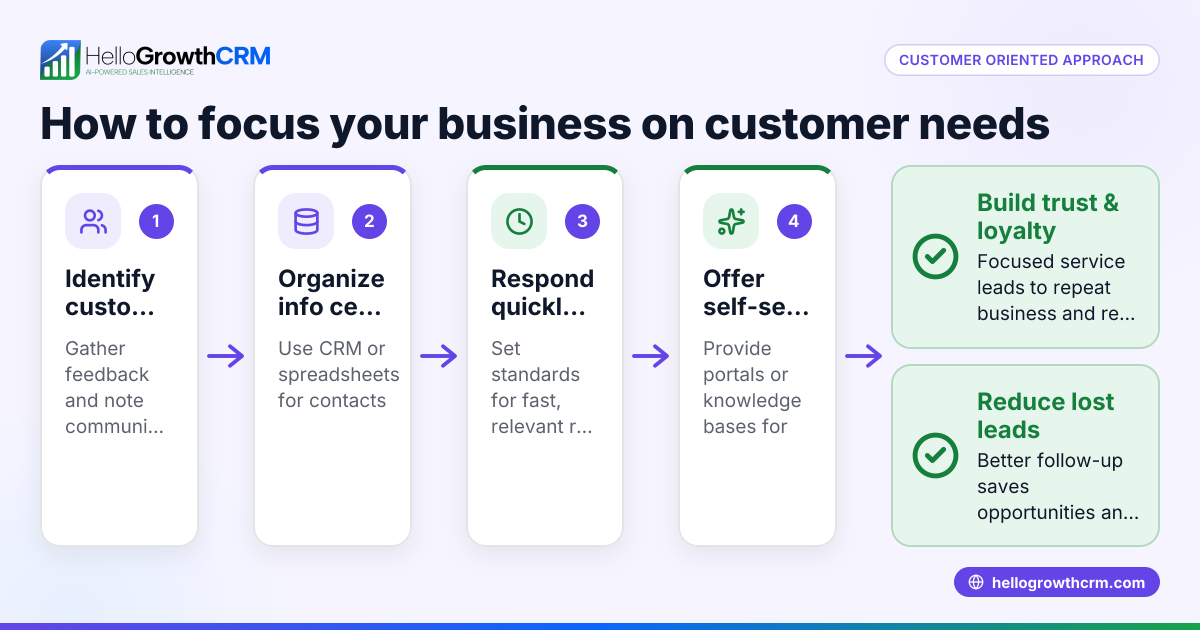
These issues often arise when sales processes are managed informally using text messages, email, or spreadsheets, making it easy to forget or mishandle leads.
Step-by-step
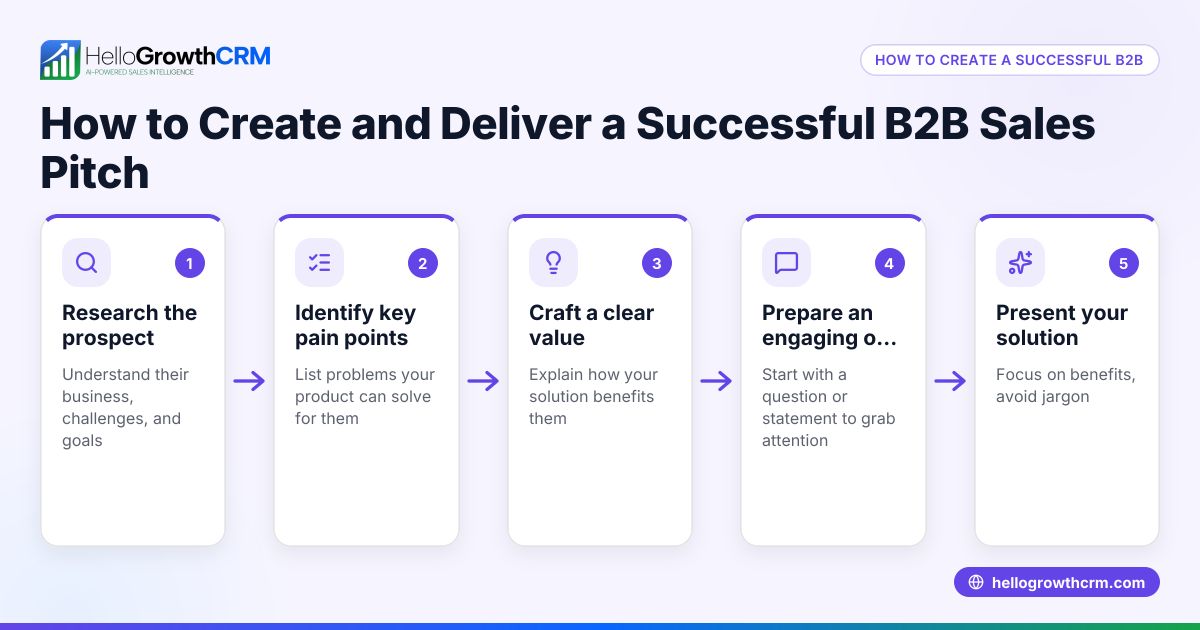
- Understand your product and audience
- Identify key benefits your product or service offers.
- Research your target customers’ pain points and needs.
- Check your findings by asking current customers or reviewing feedback.
- Draft a clear and concise pitch
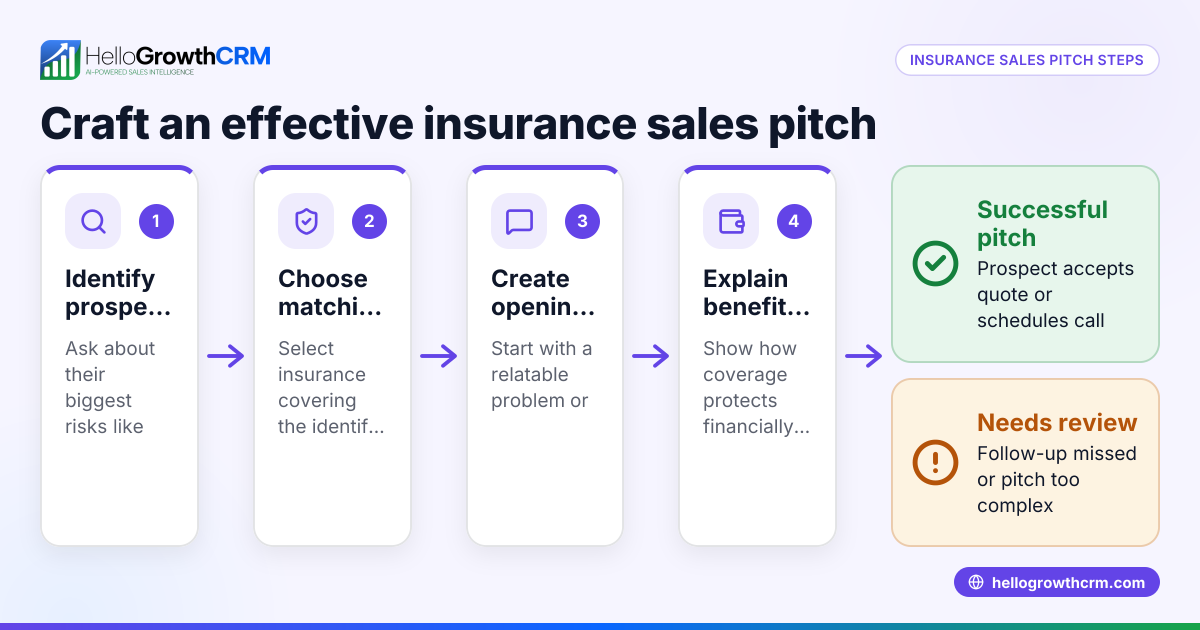
- Start with a compelling opening that grabs attention.
- Explain how your product solves a specific problem.
- Include evidence or examples to build credibility.
- End with a clear call to action.
- Review your draft for clarity and brevity.
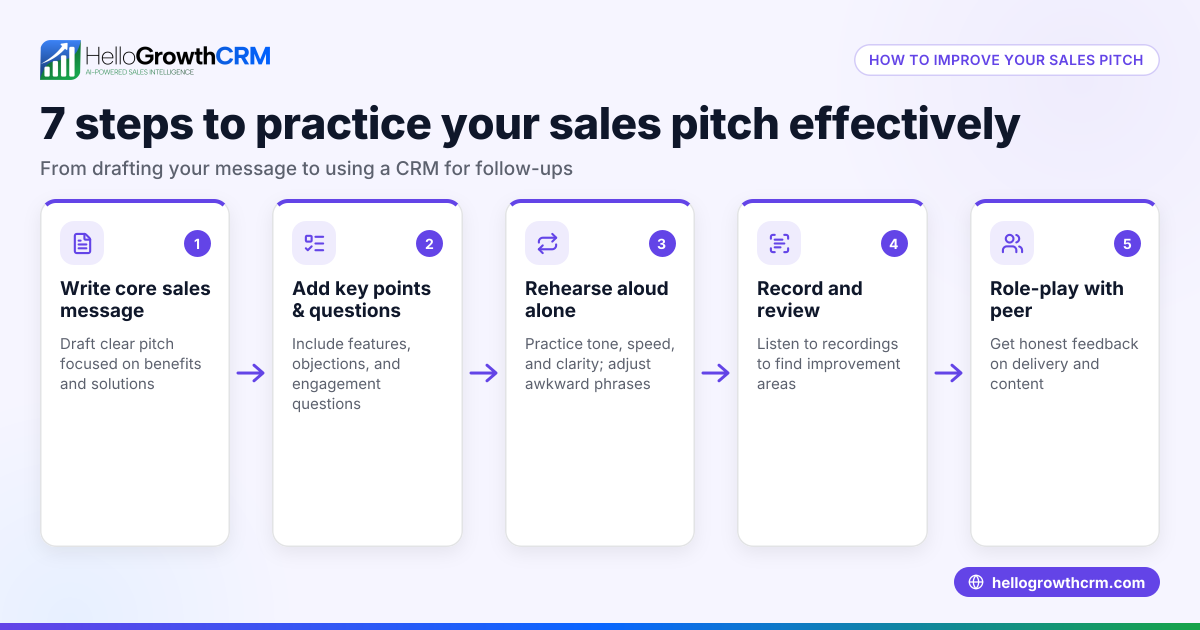
- Practice your pitch aloud
- Rehearse until you can deliver smoothly without sounding scripted.
- Record yourself or practice with a colleague for feedback.
- Adjust tone and pace based on the feedback.
- Prepare for common objections
- List typical questions or concerns prospects raise.
- Develop clear, confident responses.
- Check that your responses are honest and relevant.
- Use role-playing to simulate sales conversations
- Practice with your team or a mentor.
- Focus on building rapport and listening skills.
- Review each session and identify areas to improve.
- Implement a follow-up plan
- Set reminders to contact prospects after your pitch.
- Track responses and adjust your approach as needed.
- Ensure no lead is forgotten or left unattended.
- Review and refine regularly
- Collect feedback from real sales calls.
- Update your pitch based on what works best.
- Train new team members using the latest pitch.
For more detailed sales process management, explore CRM academy for training resources.
Example (fictional figures)
Imagine a B2B software reseller in Denver, Colorado, named Tech Solutions. They recently sent a quotation to a prospect for $25,000 on 04/10/2026. To keep the sales process on track, they use the following steps:
- Identify the prospect’s needs and tailor the pitch accordingly.
- Send the quotation and log it as a deal in their CRM pipeline at the 'quote sent' stage.
- Set a follow-up date for 04/17/2026 to check in with the prospect.
- Practice responses to objections about pricing and integration.
- Use role-play sessions weekly with the sales team.
This approach ensures the sales pitch is clear, the follow-up is timely, and no opportunity is missed.
Common mistakes
- Not tailoring the pitch to the prospect
- Prevent by researching the client’s industry and pain points before pitching.
- Overloading the pitch with too much information
- Prevent by focusing on key benefits and keeping it concise.
- Failing to practice the pitch
- Prevent by scheduling regular rehearsals and seeking feedback.
- Ignoring follow-up after the initial pitch
- Prevent by setting reminders and tracking leads systematically.
- Not preparing for objections
- Prevent by listing common objections and preparing clear responses.
- Relying on informal tools like spreadsheets or texts for sales tracking
- Prevent by adopting a CRM system to manage leads and follow-ups efficiently, such as HelloGrowthCRM.
For more on avoiding these mistakes and improving sales operations, visit HelloGrowthCRM for the United States.
Doing this in HelloGrowthCRM
HelloGrowthCRM helps small and mid-sized businesses manage their sales process effectively. For example, a quotation sent last week appears as a deal at the 'quote sent' stage with a follow-up date, ensuring it is not forgotten. This keeps your sales team on track with timely follow-ups. Additionally, if you have field sales reps, the Territories and field operations feature allows reps to log visits from their phones, letting managers see daily activity. For founders without a dedicated sales manager, Managed RevOps provides weekly follow-up support, pipeline cleanup, and KPI reporting to keep your sales process moving smoothly. Learn more about these features at WhatsApp and SMS CRM.
Frequently asked questions
What is the main goal of sales pitch training? Sales pitch training aims to help salespeople communicate the value of their product or service clearly and persuasively. It improves confidence, consistency, and effectiveness in sales conversations.
How often should sales pitch training be done? Regular practice is best. Many teams benefit from weekly or monthly sessions to refine their pitch, update messaging based on customer feedback, and role-play scenarios.
Can sales pitch training help with follow-up strategies? Yes. Effective training includes planning follow-ups to keep prospects engaged and prevent leads from going cold. HelloGrowthCRM supports this with task and call logging tools that track follow-up activities tied to each lead.
Is sales pitch training only for sales teams? No. Small-business owners, founders, and anyone involved in customer conversations can benefit from sales pitch training to improve their communication and close more deals.
What tools support sales pitch training? Besides practice and coaching, CRM software like HelloGrowthCRM helps capture and qualify leads, schedule meetings, and manage pipelines, making it easier to apply training in real sales situations.
For more answers and training resources, check CRM academy.
Key takeaways
- Sales pitch training teaches you to present your product clearly and persuasively.
- Tailor your pitch to your audience and practice regularly.
- Prepare for objections and plan timely follow-ups.
- Avoid common mistakes like overloading information or neglecting follow-up.
- Use CRM tools like HelloGrowthCRM to keep track of leads, deals, and follow-ups.
Start improving your sales pitch and follow-up today by starting on the Free Forever plan (200 leads, no credit card).
This article is general information, not tax or legal advice. Rules change; confirm the current position with the IRS or your state's department of revenue, or with your CPA, before acting.
Ready to put this into practice?
Set up your pipeline, WhatsApp follow-ups, and AI lead scoring in minutes — free, no credit card.
Try HelloGrowthCRM freeGet CRM tips in your inbox
Join thousands of sales professionals who get weekly insights on CRM strategy, AI automation, and pipeline optimization.

The HelloGrowthCRM team publishes guides on CRM strategy, AI sales tools, and revenue operations for small business sales teams.