HelloGrowthCRM software
Built for real small-business sales teams
HelloGrowthCRM helps reps qualify faster, follow up on time, and close more deals—with practical automation in one place.
- AI lead scoring and pipeline visibility
- Built-in dialer, WhatsApp, and email automation
- Sales forecasting and RevOps-ready reporting
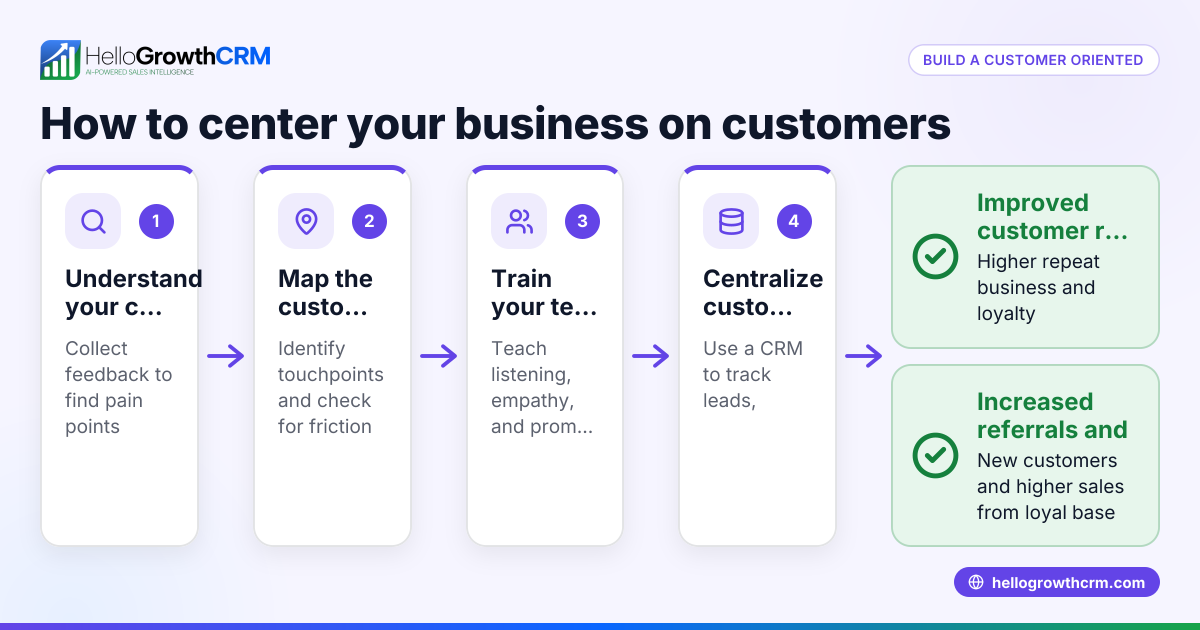
A customer oriented approach means focusing your business operations, sales, and service around the needs and satisfaction of your customers. It involves understanding customer preferences, delivering timely support, and building long-term relationships that encourage loyalty and referrals. This approach is essential for small and mid-sized businesses competing in the US market.
Why this comes up / what goes wrong
Many small-business owners struggle because they focus more on internal processes or short-term sales than on customer needs. For example, a landscaping contractor might receive inquiries by text or email but respond slowly or inconsistently, causing potential clients to look elsewhere. Without a clear system to track customer preferences, service history, and follow-up tasks, businesses miss chances to build trust and encourage repeat sales.
This situation often leads to lost leads, missed opportunities for referrals, and weaker customer relationships. Small teams juggling spreadsheets and messages across email, WhatsApp, and SMS can easily lose track of important details.
Step-by-step
- Identify your customers' needs and preferences. Talk directly to your customers, gather feedback, and note how they prefer to communicate (email, WhatsApp, phone, or SMS). This helps tailor your approach.
- Organize customer information in one place. Use a CRM or a simple spreadsheet to track contact details, past orders, service requests, and communication preferences. This centralizes data for easy access.
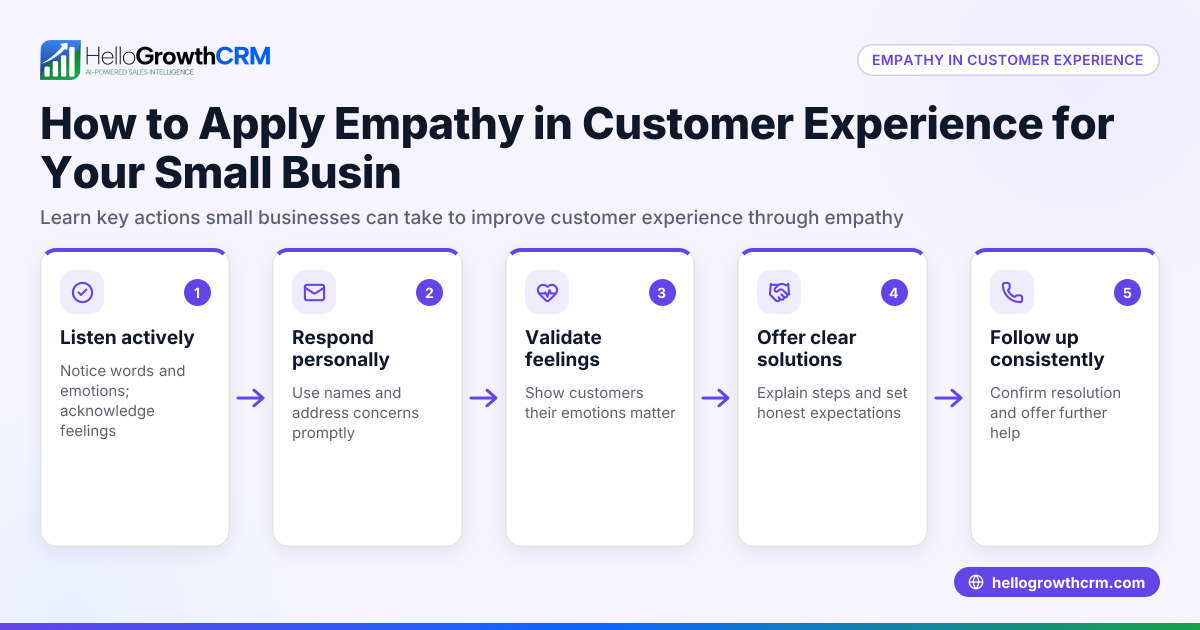
- Respond quickly and personally. Set clear standards for how fast your team replies to inquiries and personalize messages based on customer data. Fast, relevant responses build trust.
- Offer self-service options. Provide a portal or knowledge base where customers can find answers or request support without waiting. This reduces friction and improves satisfaction.
- Track service requests and follow-ups. Log every customer question or issue and ensure it is resolved promptly. This avoids lost tickets and forgotten tasks.
- Encourage referrals and repeat business. Ask satisfied customers to refer others and reward them for it. Tracking referrals helps grow your customer base cost-effectively.
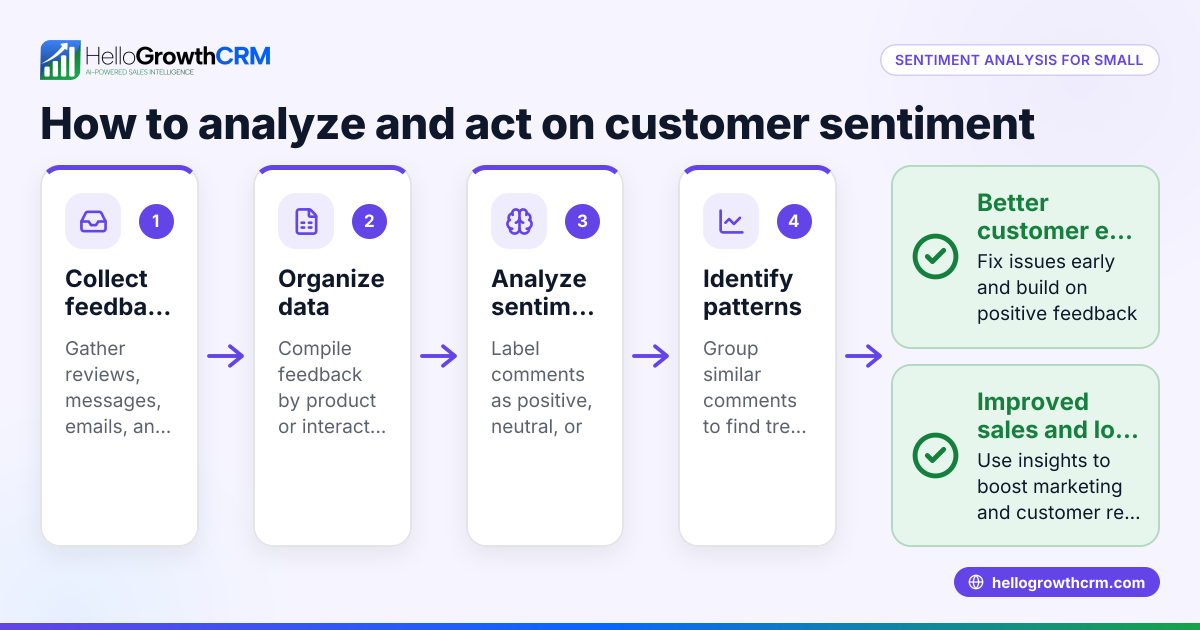
- Measure customer satisfaction and health regularly. Review feedback and customer activity to spot issues early. Tools that track your customer health score can help you stay proactive.
Example (fictional figures)
A landscaping contractor in Charlotte, North Carolina, wants to improve customer satisfaction in 2026.
- They receive 200 inquiries yearly.
- Previously, many inquiries were lost due to slow follow-up.
- They set a goal to reduce lost leads by improving response time and tracking.
Calculations:
Assuming they lost 60 leads before (30% of 200)
Goal: reduce lost leads to 20 (10% of 200)
Leads saved = 60 - 20 = 40 leads
If the average sale is $1,500, extra revenue = 40 × $1,500 = $60,000
By organizing customer info and setting follow-up tasks, they aim to convert these saved leads into revenue.
Common mistakes
- Ignoring customer communication preferences. Prevent this by asking customers how they want to be contacted and respecting those choices.
- Not tracking customer interactions consistently. Use a CRM or system to log every call, text, or email so no details are lost.
- Responding too slowly. Set clear response time goals and monitor compliance to avoid losing leads.
- Failing to follow up after a sale. Keep service requests and feedback on the same customer record to ensure continuity and satisfaction.
- Overlooking referral opportunities. Actively ask for referrals and track them systematically to grow your business.
- Relying only on spreadsheets without automation. Consider CRM tools with automation to reduce errors and save time, like WhatsApp and SMS CRM.
Doing this in HelloGrowthCRM
HelloGrowthCRM supports a customer oriented approach with a branded customer portal, referrals tracking, support tickets, and a knowledge base. After a sale, service requests stay on the same customer record as the deal, ensuring your team has full context to provide timely support. This helps maintain strong customer relationships and streamlines follow-up tasks. Learn more about HelloGrowthCRM for the United States at hellogrowthcrm.com/usa.
Frequently asked questions
What is the main benefit of a customer oriented approach? It helps build trust and loyalty by focusing on customer needs, improving satisfaction and repeat business.
How can I start implementing a customer oriented approach with a small team? Begin by organizing customer information and setting clear response standards. Use simple tools or CRM software to track interactions and follow-ups.
Why is tracking referrals important? Referrals bring in qualified leads and help grow your business cost-effectively. Tracking them ensures you can reward and encourage more referrals.
How does a customer portal improve customer orientation? It allows customers to find information or request support anytime, reducing wait times and improving satisfaction.
Can I manage customer support and sales in one system? Yes, tools like HelloGrowthCRM keep service requests and sales deals on the same customer record for seamless management.
Key takeaways
- A customer oriented approach focuses on understanding and meeting customer needs.
- Organize customer data and communication preferences centrally.
- Respond quickly and personally to inquiries and service requests.
- Use tools to track referrals, support tickets, and customer satisfaction.
- Avoid common mistakes like slow follow-up and inconsistent tracking.
- HelloGrowthCRM offers features like a customer portal and tickets to support this approach.
Start building stronger customer relationships today. Start on the Free Forever plan (200 leads, no credit card).
Ready to put this into practice?
Set up your pipeline, WhatsApp follow-ups, and AI lead scoring in minutes — free, no credit card.
Try HelloGrowthCRM freeGet CRM tips in your inbox
Join thousands of sales professionals who get weekly insights on CRM strategy, AI automation, and pipeline optimization.

The HelloGrowthCRM team publishes guides on CRM strategy, AI sales tools, and revenue operations for small business sales teams.