HelloGrowthCRM software
Built for real small-business sales teams
HelloGrowthCRM helps reps qualify faster, follow up on time, and close more deals—with practical automation in one place.
- AI lead scoring and pipeline visibility
- Built-in dialer, WhatsApp, and email automation
- Sales forecasting and RevOps-ready reporting
Creating a proper tax invoice is essential for UK businesses that charge VAT or want clear records for payments. A tax invoice must contain specific information to be valid and to support VAT claims. This guide explains exactly what to include, how to organise the information, and checks to ensure your invoice is correct. It is designed for small business owners who want to create a compliant invoice today without confusion or extra tools.
Why this comes up / what goes wrong
Many small business owners in the UK struggle to create tax invoices because they are unsure which details are mandatory, how to handle VAT, or how to number invoices correctly. Common situations include using informal methods like WhatsApp, email drafts, or spreadsheets that lack consistent formatting and tracking. This leads to delayed payments, lost leads, or accounting errors. Clear, step-by-step guidance helps avoid these issues and supports smooth cash flow.
Step-by-step
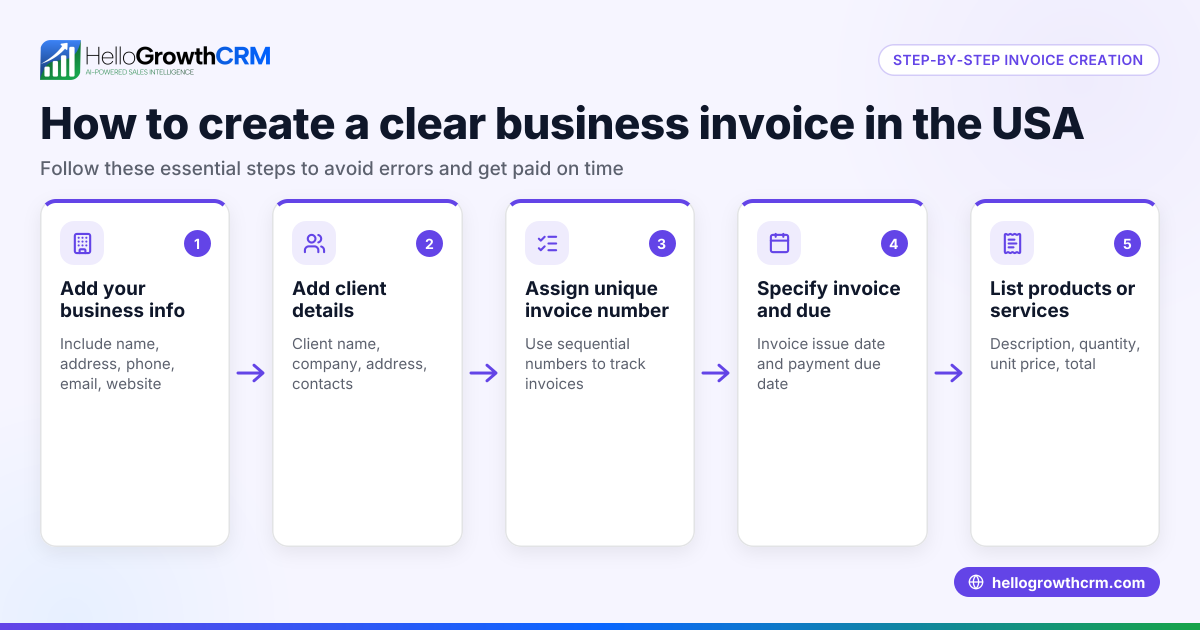
- Add your business details: Include your registered business name, full address, and contact information (phone or email). If you are VAT registered, include your VAT registration number clearly.
- Add the customer's details: Write the full name or business name and address of the customer receiving the invoice. This clarifies who the invoice is for.
- Assign a unique invoice number: Use a sequential numbering system (e.g., 2024-001, 2024-002) to keep invoices organised and avoid duplicates.
- Include the invoice date: This is the date the invoice is issued and should be clearly stated.
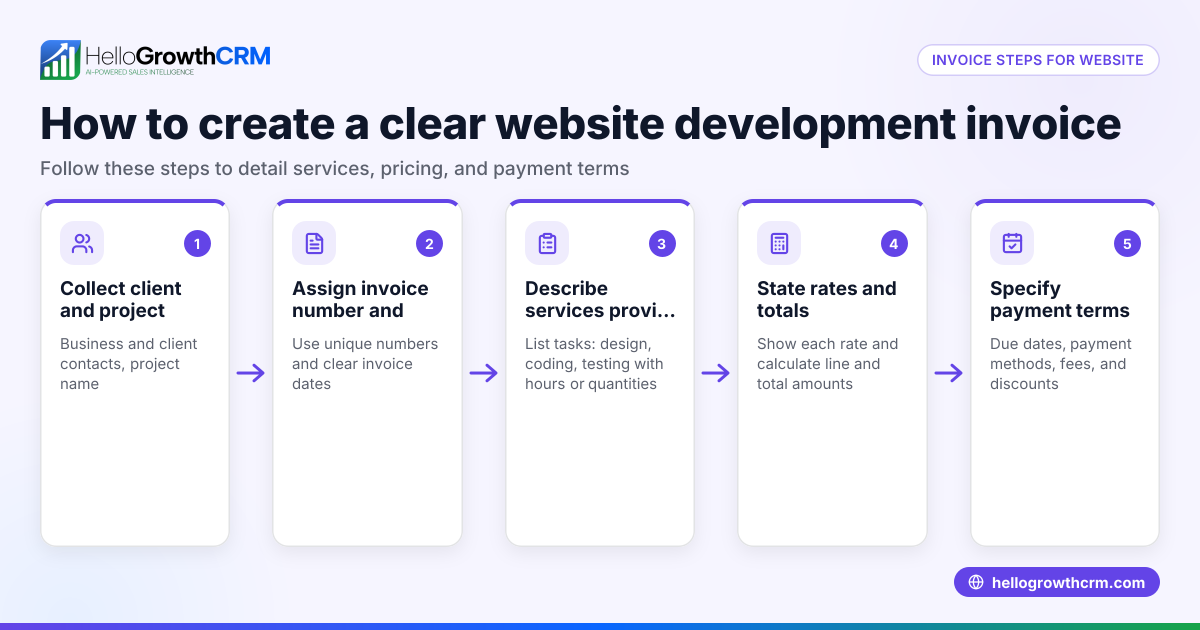
- Describe the goods or services provided: Give a clear description of what was supplied, including quantity and unit price where applicable.
- Show the VAT amount: If you are VAT registered, state the VAT rate applied (e.g., 20%) and show the total VAT charged separately from the net amount.
- Calculate and show the total amount due: This is the sum of the net amount plus the VAT amount.
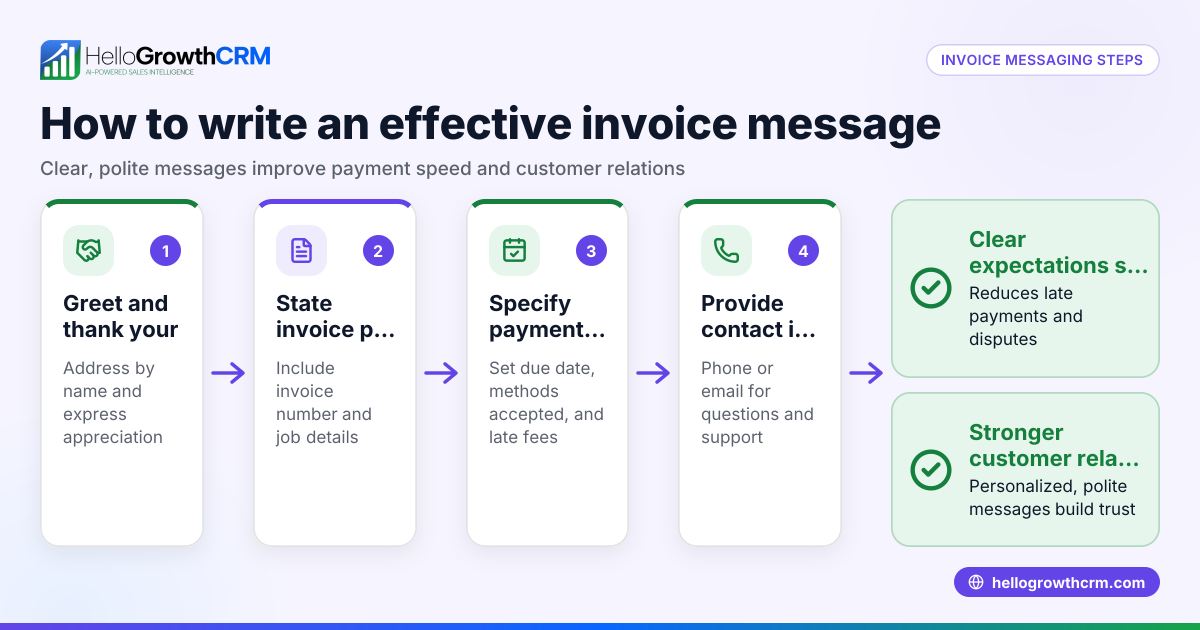
- Add payment terms: Specify your payment terms, such as "Payment due within 30 days" or any other agreed terms.
- Check all details for accuracy: Verify that all numbers, dates, names, and calculations are correct before sending.
For businesses managing multiple invoices and leads, using a CRM with invoicing features helps maintain organisation and track payments. HelloGrowthCRM provides quoting and proposal tools linked to deals, so you can send quotations and track their status alongside follow-up tasks. See built-in CRM dialer to learn more about managing communications and sales.
Example (fictional figures)
A Glasgow-based solar-panel installer, GreenSun Ltd, issues an invoice on 15/06/2024.
- Business details: GreenSun Ltd, 10 Solar Way, Glasgow, G1 2AB, VAT No: GB123456789
- Customer: EcoHome Ltd, 5 Green Street, Edinburgh, EH2 3XY
- Invoice number: 2024-045
- Description: Installation of 5 solar panels
- Quantity: 5
- Unit price: £1,000
- VAT rate: 20%
Calculations:
Net amount = 5 × £1,000 = £5,000 VAT = £5,000 × 20% = £1,000 Total amount due = £5,000 + £1,000 = £6,000
Payment terms: Payment due within 30 days
This invoice clearly shows all required information for VAT and payment tracking.
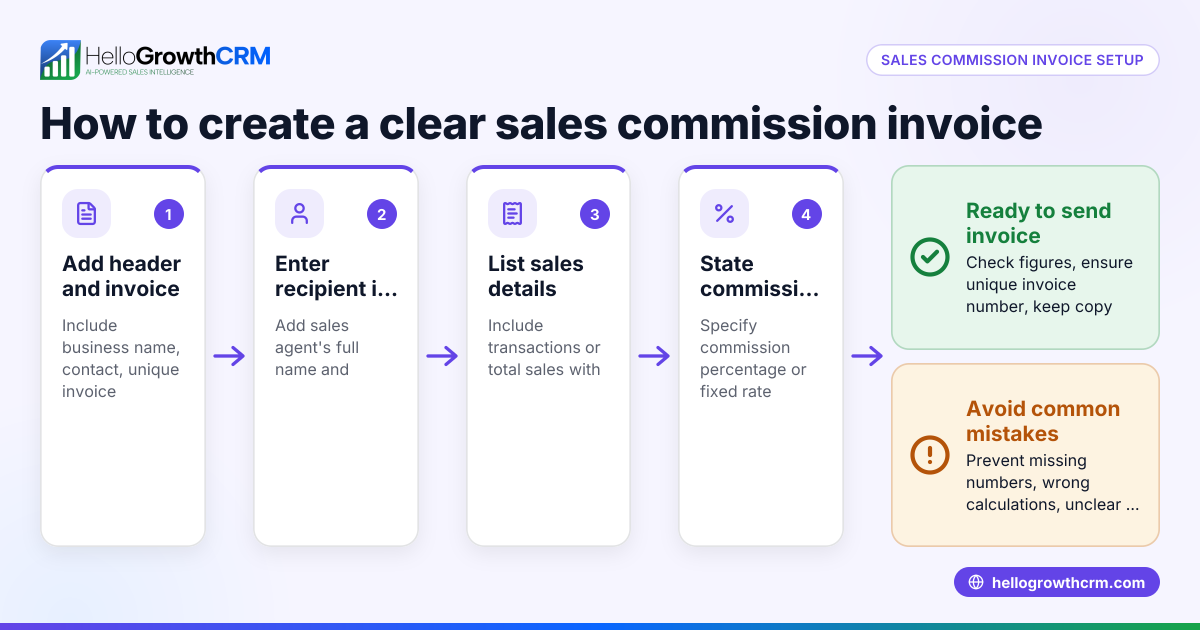
Common mistakes
- Missing VAT number when VAT registered: Always include your VAT number to avoid invoice rejection or delays.
- Using non-sequential invoice numbers: Keep invoice numbers in order to comply with record-keeping and avoid confusion.
- Not showing VAT separately: VAT must be shown as a distinct amount, not included in the total without breakdown.
- Incorrect or unclear descriptions: Be specific about goods or services to prevent disputes or confusion.
- Forgetting payment terms: Without clear terms, customers may delay payment or dispute due dates.
- Failing to check details before sending: Typos or calculation errors can cause delays or non-payment.
Avoid these mistakes by double-checking your invoice before sending and consider using a CRM system like HelloGrowthCRM to manage invoices and follow-ups. Learn more about HelloGrowthCRM for the United Kingdom.
Doing this in HelloGrowthCRM
HelloGrowthCRM offers a quoting and proposal tool that lets you create, send, and track commercial documents such as quotes and proposals directly from a deal record. The status of these documents (sent, viewed, accepted) is visible on the same screen as your follow-up tasks, helping sales teams stay organised and speed up payments. This integration reduces errors and keeps all sales information in one place. See WhatsApp and SMS CRM for messaging features alongside document management.
Frequently asked questions
How to make a proforma invoice UK? A proforma invoice is a preliminary bill sent before goods or services are delivered. It includes estimated costs and terms but is not a demand for payment. It should be clearly marked "Proforma Invoice" and contain similar details to a tax invoice but does not require VAT calculations.
How to create recurring invoices UK? Recurring invoices are for ongoing services billed regularly, such as monthly subscriptions. Using invoice software or a CRM with recurring billing features automates sending invoices at set intervals, ensuring consistent cash flow without manual re-entry.
How to create a VAT invoice for business UK? A VAT invoice must include your VAT registration number, the VAT rate applied, and the total VAT charged separately. It is essential for VAT-registered businesses to issue these to reclaim VAT and comply with HMRC requirements.
Can I create tax invoices without software? Yes, you can create tax invoices manually using word processors or spreadsheets by following the required fields and calculations. However, using a CRM or invoicing tool helps reduce errors, track invoices, and manage payments more efficiently.
Key takeaways
- Include all mandatory details: business and customer info, invoice number, date, description, VAT, and totals.
- Use sequential invoice numbers and clear payment terms.
- Show VAT amounts separately if registered.
- Double-check for accuracy to avoid payment delays.
- Avoid common mistakes like missing VAT number or unclear descriptions.
- Use HelloGrowthCRM to create, send, and track quotes and proposals linked to deals.
Start creating accurate tax invoices today with clear steps and avoid common pitfalls. To manage your sales, quotes, and invoices efficiently, Start on the Free Forever plan (200 leads, no credit card).
This article is general information, not tax or legal advice. Rules change; confirm the current position with HMRC or your accountant before acting.
Ready to put this into practice?
Set up your pipeline, WhatsApp follow-ups, and AI lead scoring in minutes — free, no credit card.
Try HelloGrowthCRM freeGet CRM tips in your inbox
Join thousands of sales professionals who get weekly insights on CRM strategy, AI automation, and pipeline optimization.

The HelloGrowthCRM team publishes guides on CRM strategy, AI sales tools, and revenue operations for small business sales teams.