HelloGrowthCRM software
Built for real small-business sales teams
HelloGrowthCRM helps reps qualify faster, follow up on time, and close more deals—with practical automation in one place.
- AI lead scoring and pipeline visibility
- Built-in dialer, WhatsApp, and email automation
- Sales forecasting and RevOps-ready reporting
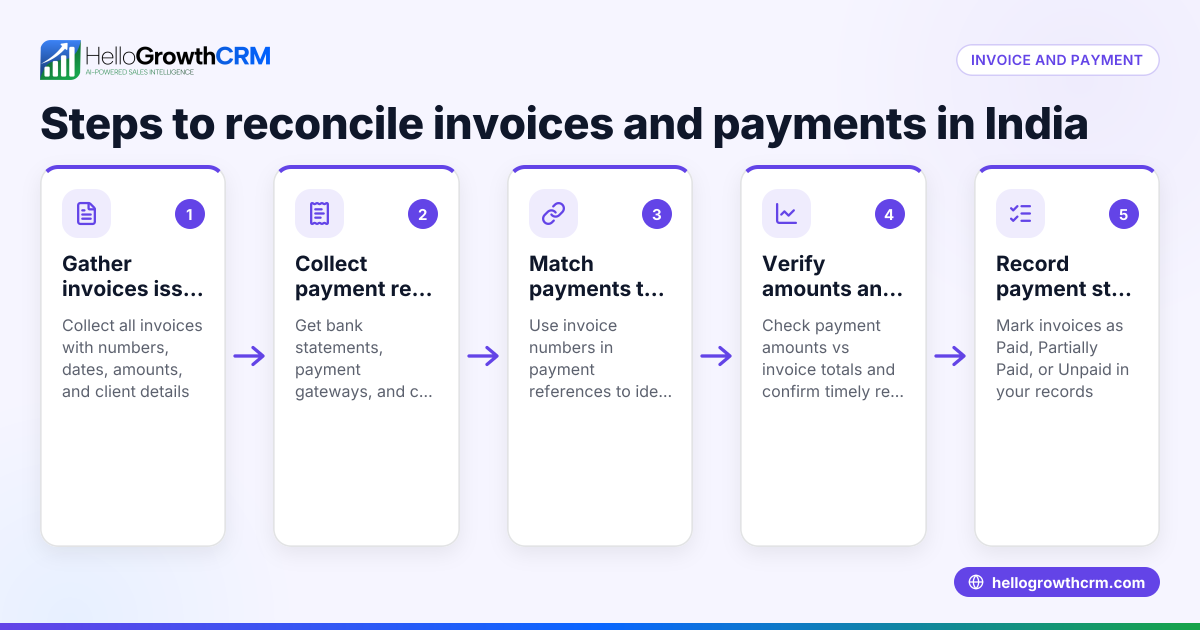
Late invoice payments can disrupt cash flow and strain business operations. Many UK small businesses face this challenge because invoices lack clarity, payment terms are vague, or follow-ups are inconsistent. This article explains why late payments occur and provides a clear, actionable plan to reduce them.
Why this comes up / what goes wrong
Small businesses often lose money or face stress when clients pay invoices late. This happens because invoices are sent late or without clear payment terms, clients forget or delay payment, or businesses lack an efficient system to track and chase payments. Using WhatsApp, email, and spreadsheets separately can cause missed follow-ups or confusion about payment status.
Step-by-step
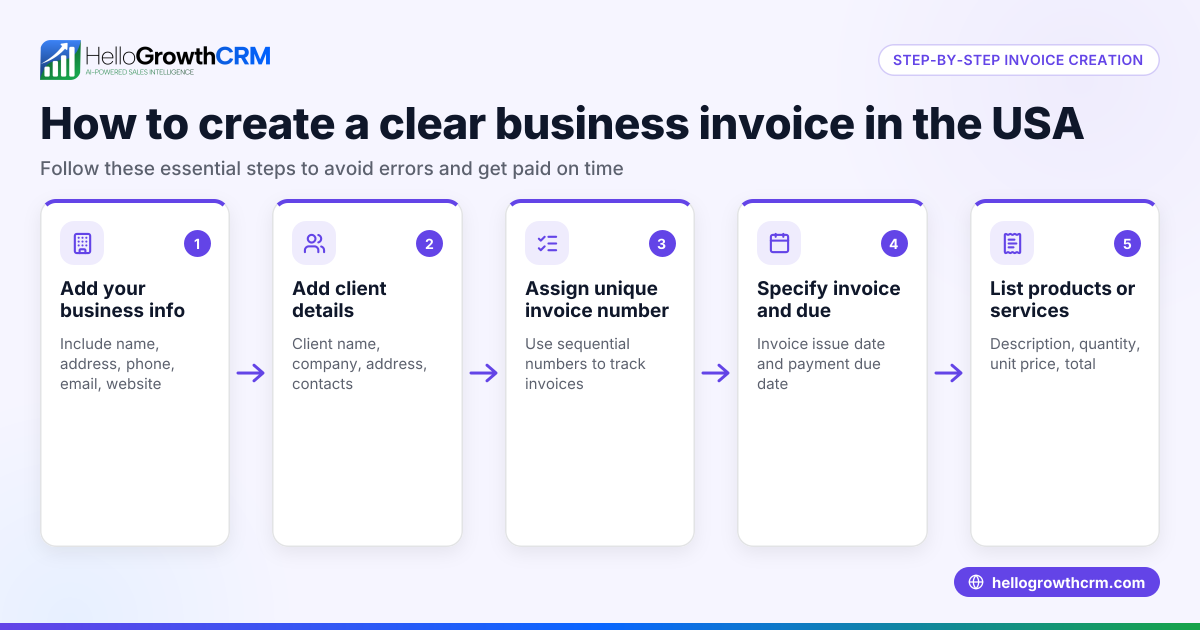
- Create and send invoices promptly: Generate your invoice as soon as the goods or services are delivered. Include all necessary details such as your business name, address, invoice number, date, client details, description of goods/services, quantity, price, VAT if applicable, and total amount due.
- Set clear payment terms: Specify the payment due date clearly on the invoice (e.g., "Payment due within 30 days of invoice date"). Also include acceptable payment methods (bank transfer, card, cheque).
- Send invoices by a reliable method: Email is standard, but confirm receipt by phone or WhatsApp if possible to ensure the client has the invoice.
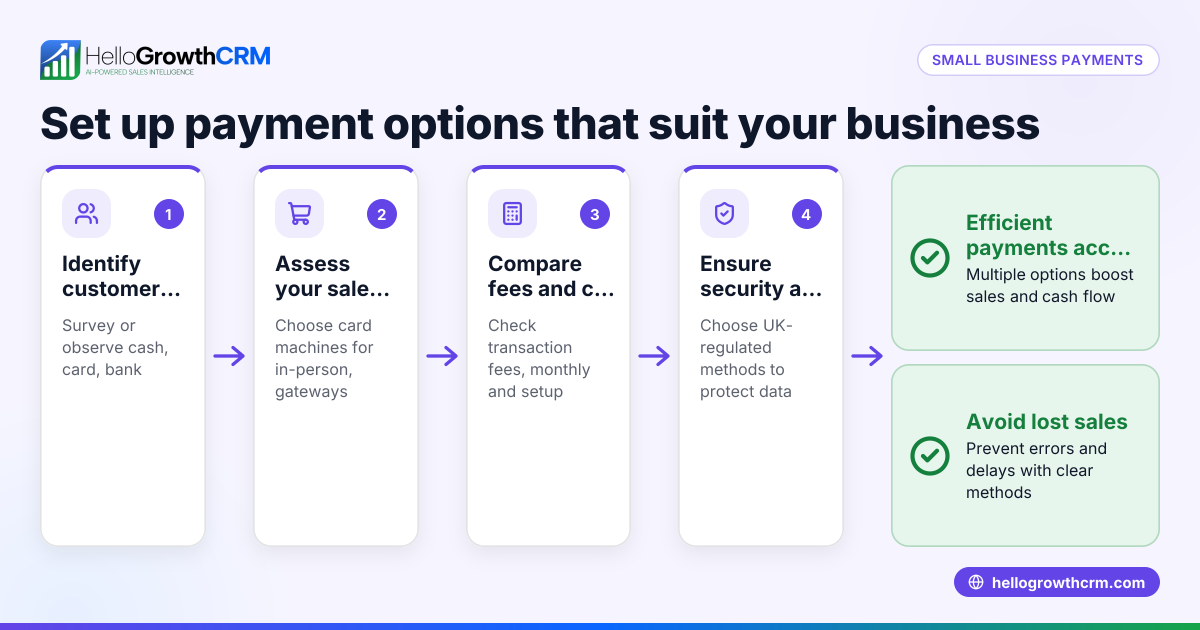
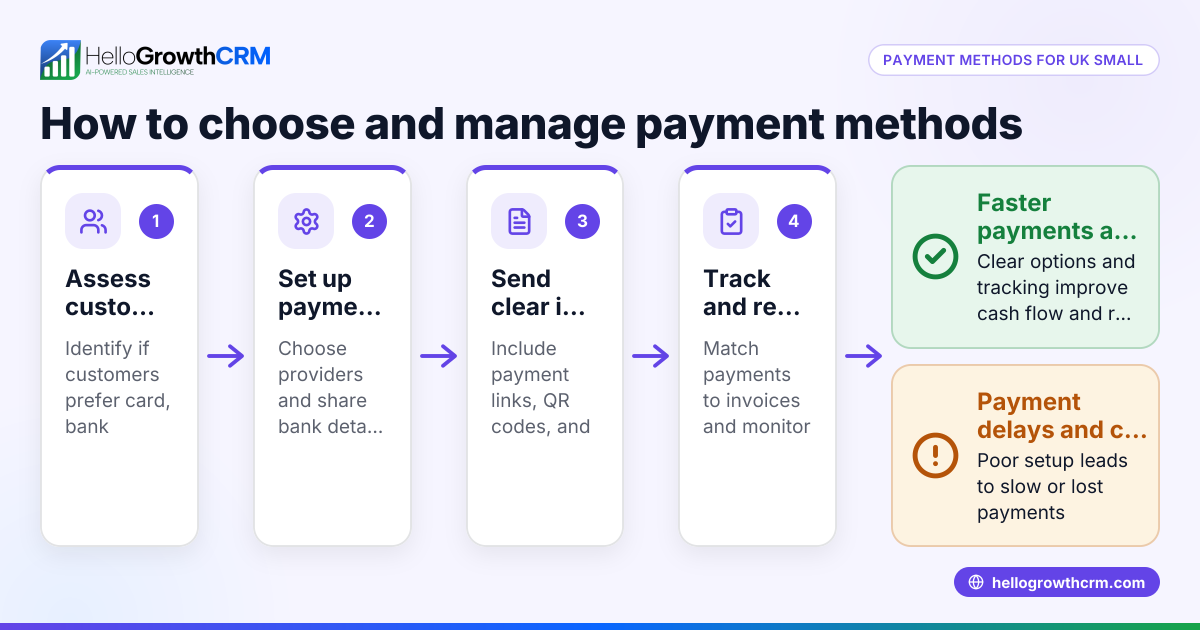
- Offer multiple payment options: The easier you make it for clients to pay, the faster you get paid. Include bank details and consider online payment links if possible.
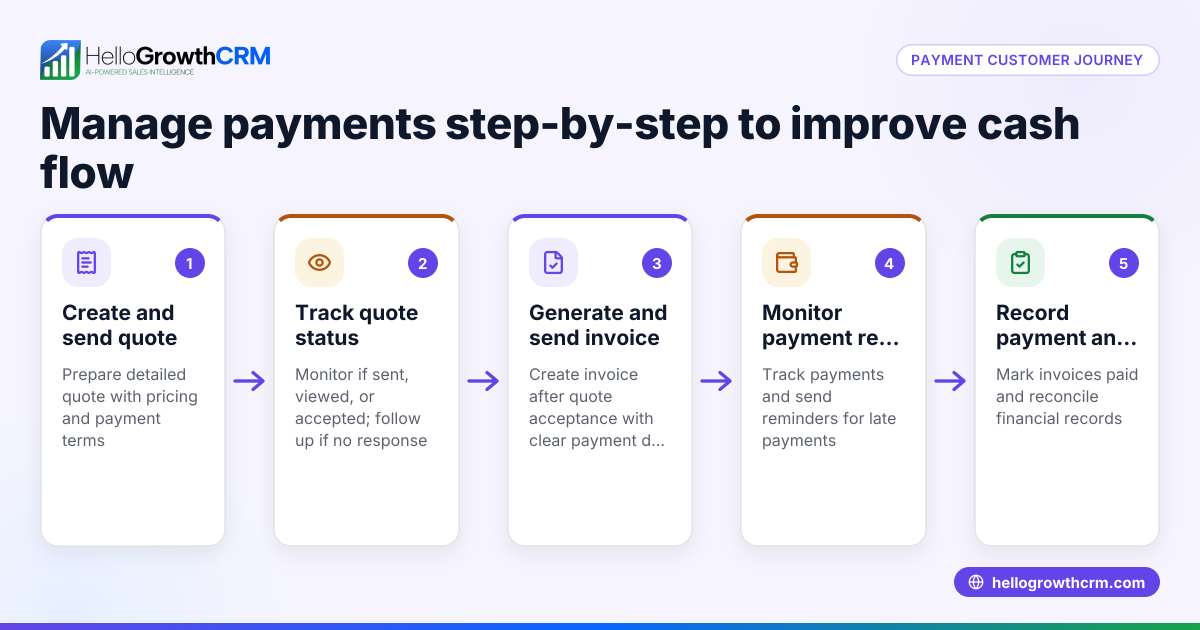
- Track invoices and due dates: Maintain a list or system that records invoice numbers, issue dates, due dates, and payment status. This helps you identify late payments quickly.
- Send polite reminders before and after due date: A reminder a few days before the due date can prompt early payment. If the due date passes, send follow-up messages promptly.
- Make follow-up calls: If reminders fail, call the client to discuss payment. Sometimes a quick call resolves misunderstandings or issues.
- Negotiate payment plans if necessary: If a client struggles to pay in full, agree on instalments with clear dates.
- Keep records of all communication: Document emails, messages, calls related to the invoice to support any future dispute or debt recovery.
- Consider incentives or penalties: Offering a small discount for early payment or charging interest on late payments can encourage timely payments. Make sure these terms are stated clearly in your contract or invoice.
Using a CRM with invoicing and follow-up features can help you automate and track these steps efficiently.
Example (fictional figures)
A letting agency in Manchester issues an invoice on 01/04/2024 for £1,200 to a tenant for rental services. Payment terms: 30 days.
Invoice date: 01/04/2024 Payment due: 01/05/2024 Amount: £1,200
Step 1: Invoice sent promptly on 01/04/2024. Step 2: Payment terms clearly stated: "Payment due within 30 days of invoice date". Step 3: Invoice emailed and confirmation received via WhatsApp on 02/04/2024. Step 4: Bank details included for payment. Step 5: Invoice tracked in system with due date 01/05/2024. Step 6: Reminder sent on 28/04/2024 (3 days before due date). Step 7: No payment received by 01/05/2024; follow-up email and WhatsApp message sent. Step 8: Tenant calls on 03/05/2024 to request payment plan. Step 9: Payment plan agreed: £600 on 10/05/2024 and £600 on 24/05/2024.
Calculations: £1,200 ÷ 2 = £600 per instalment
This approach turns a potential late payment into a manageable plan.
Common mistakes
- Delaying invoice sending: Send invoices immediately after delivery; delays reduce payment speed. Prevent by scheduling invoice creation on the same day.
- Unclear payment terms: Always specify due dates and payment methods on the invoice. Prevent by using a standard invoice template.
- Ignoring follow-ups: Not chasing late payments encourages further delay. Prevent by setting reminders to follow up before and after due dates.
- Using separate tools without integration: Managing invoices, messages, and follow-ups in different places causes confusion. Prevent by using a CRM like HelloGrowthCRM with invoicing and messaging together.
- Not documenting communication: This can weaken your position if disputes arise. Prevent by keeping all emails and messages linked to the invoice.
- Failing to offer payment options: Limited payment methods slow payments. Prevent by including bank details and considering online payment links.
Doing this in HelloGrowthCRM
HelloGrowthCRM lets you create and send quotes, proposals, and invoices directly from a deal record. You can see the status of each quotation—whether sent, viewed, or accepted—on the same screen as your follow-up tasks. This makes it easier to track invoices, send reminders, and log payments received without switching apps. Learn more about HelloGrowthCRM for the United Kingdom and its WhatsApp and SMS CRM features, plus the built-in CRM dialer to call clients directly for follow-ups.
Frequently asked questions
How soon should I send an invoice after delivering goods or services? Send your invoice as soon as possible, ideally on the same day or within 24 hours. Prompt invoicing sets clear expectations and speeds up payment.
What payment terms are standard in the UK? Common payment terms are 30 days from the invoice date, but some businesses use 14 or 60 days. Always state your terms clearly on the invoice and agree them with your client beforehand.
How can I politely remind a client about a late payment? Send a friendly reminder email or message shortly before the due date, then follow up promptly if payment is late. Keep the tone professional and offer assistance if there are payment issues.
Can offering early payment discounts help? Yes, small discounts (e.g., 2% off if paid within 10 days) can motivate clients to pay sooner. Make sure this is clearly stated in your invoice or contract.
What if a client refuses to pay? Try to resolve the issue by discussing it directly. If unresolved, consider formal debt recovery options or legal advice. Keep all communication records.
Key takeaways
- Send clear, detailed invoices promptly with explicit payment terms.
- Track all invoices and follow up before and after due dates.
- Use multiple payment options to make paying easier.
- Document all communications related to payments.
- Avoid common mistakes like delayed invoicing and unclear terms.
- Use tools like HelloGrowthCRM to manage invoices and follow-ups efficiently.
Start reducing late payments today by organising your invoicing and follow-ups clearly. To get started with managing invoices and follow-ups in one place, Start on the Free Forever plan (200 leads, no credit card).
Ready to put this into practice?
Set up your pipeline, WhatsApp follow-ups, and AI lead scoring in minutes — free, no credit card.
Try HelloGrowthCRM freeGet CRM tips in your inbox
Join thousands of sales professionals who get weekly insights on CRM strategy, AI automation, and pipeline optimization.

The HelloGrowthCRM team publishes guides on CRM strategy, AI sales tools, and revenue operations for small business sales teams.