Go-to-Market
Launch playbooks, market entry strategies, competitive battle cards, and territory planning templates for GTM teams.
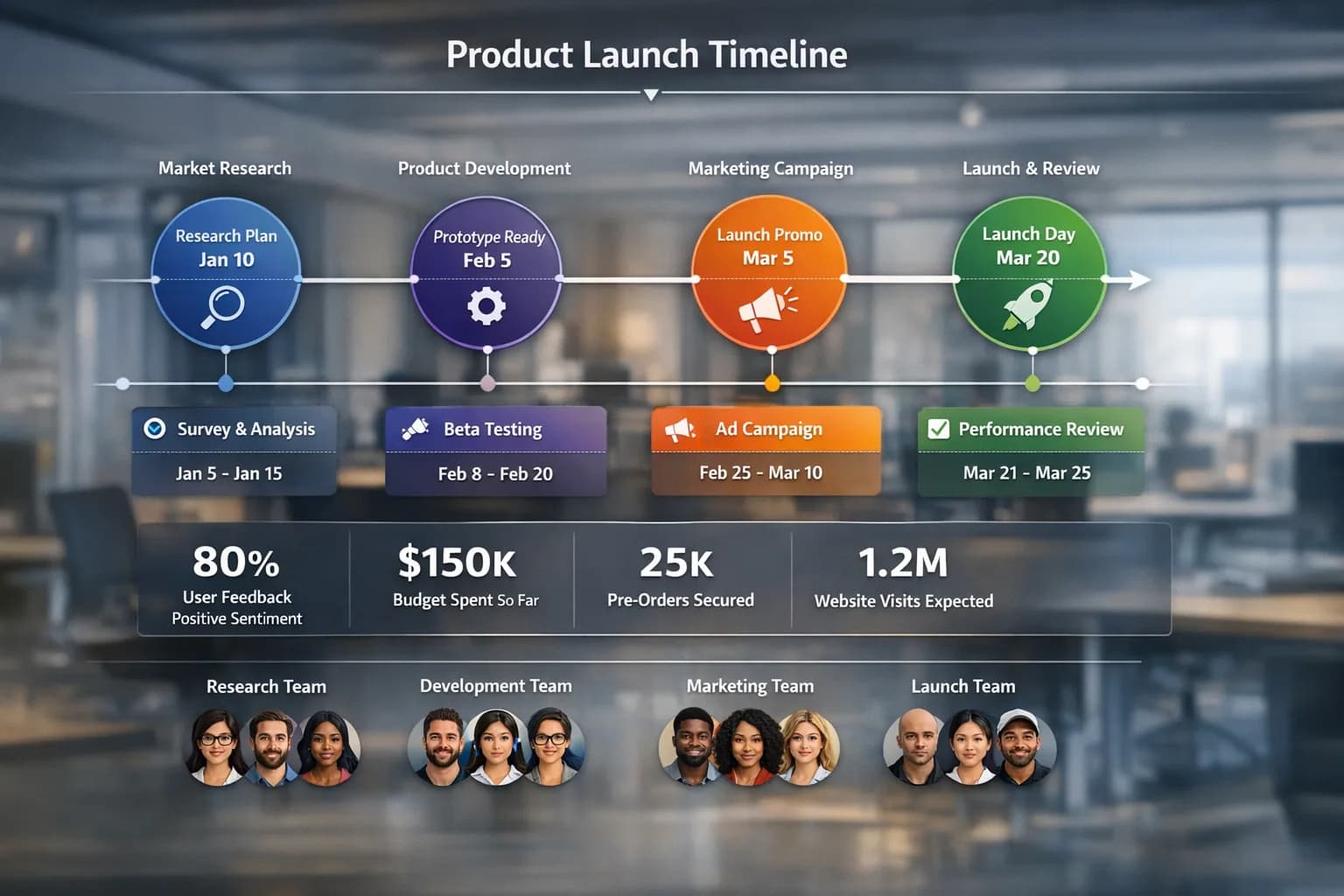
Launch with a plan, not a hunch
These go-to-market templates are for founders, product marketers, and revenue leaders making expensive bets — a launch, a new segment, a pricing change — with frameworks instead of hindsight. The common failure they prevent: teams skip the unglamorous definition work (who exactly buys, why they switch, what we say against each competitor) and discover the gaps mid-launch when fixing them costs ten times more.
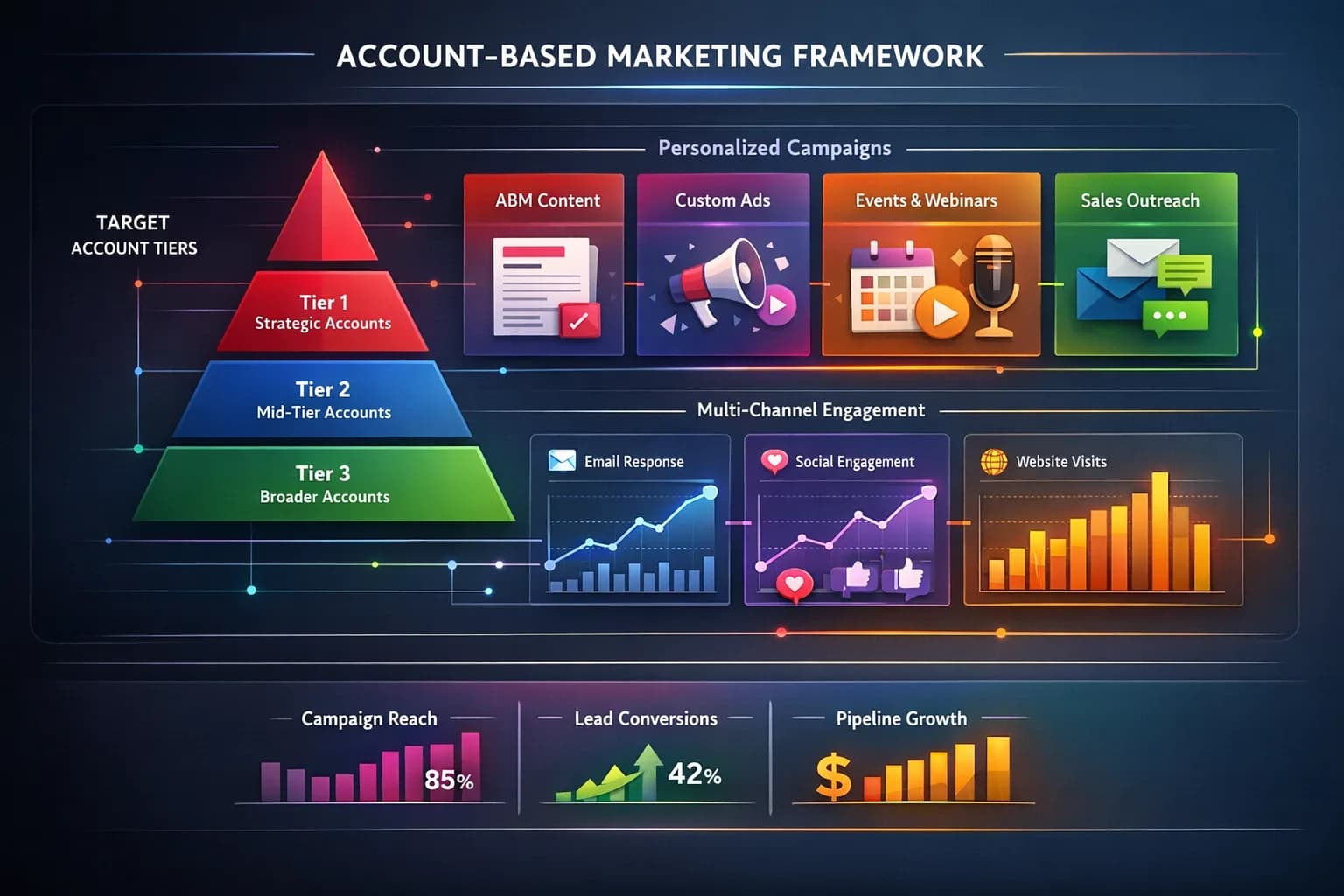
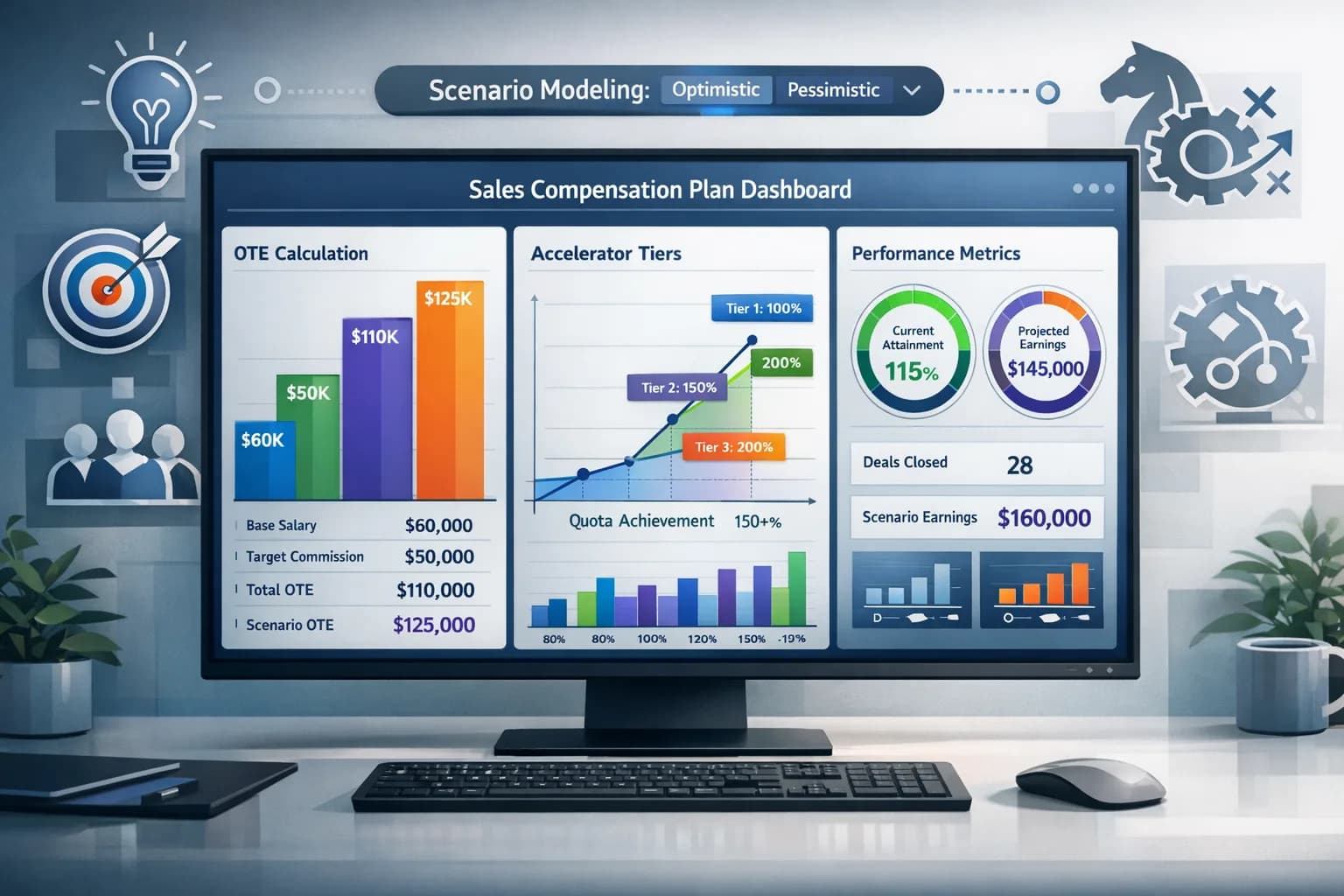
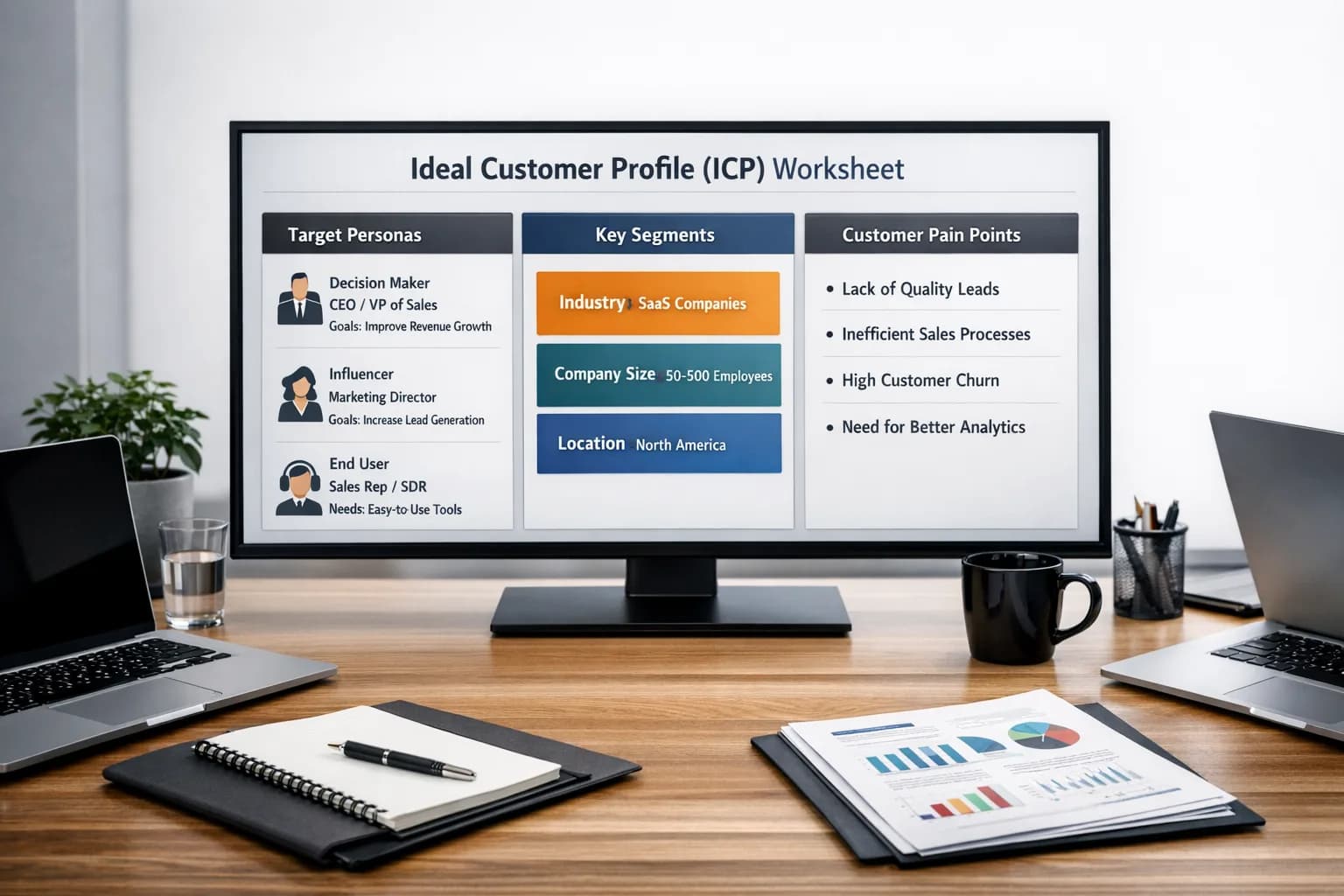
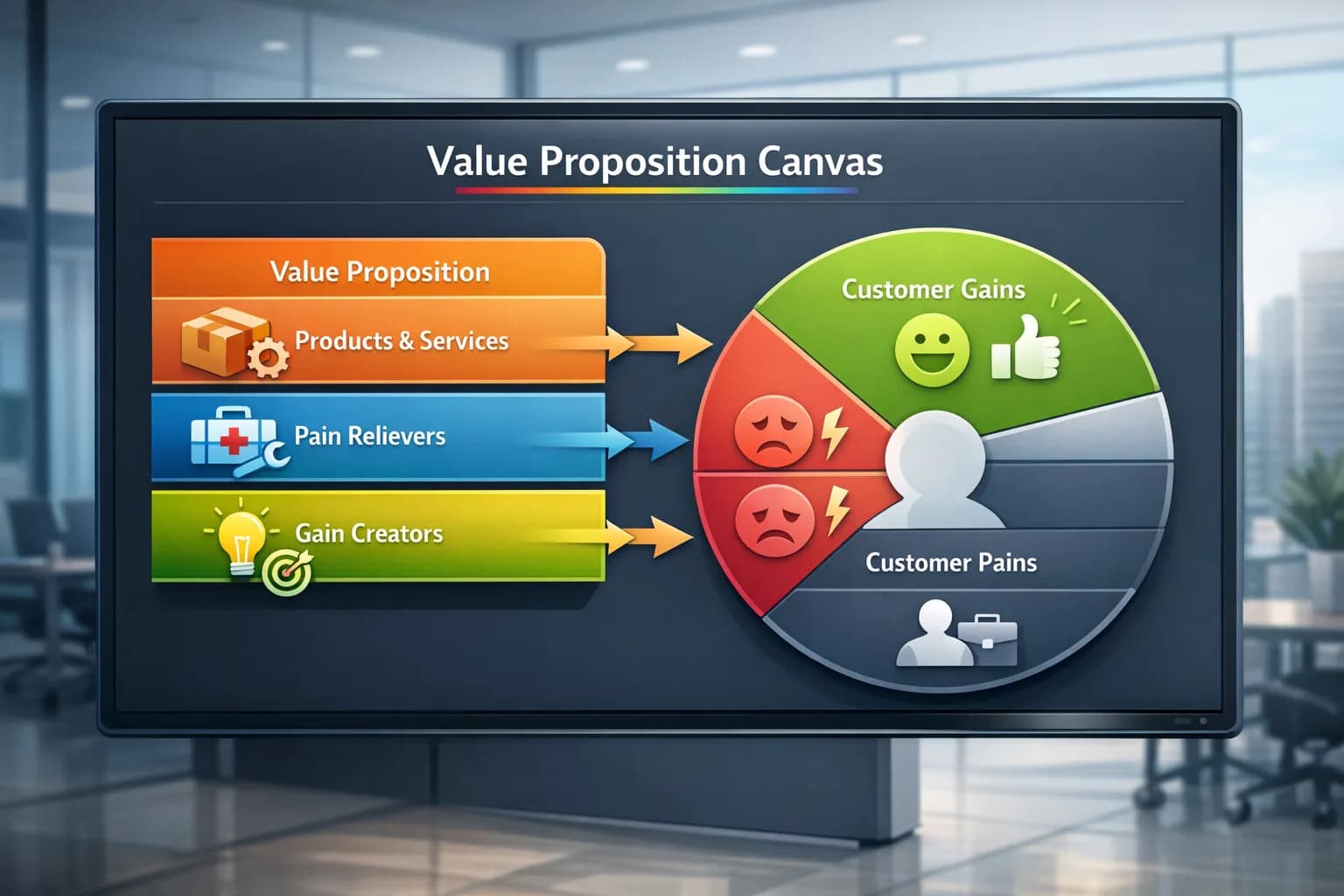
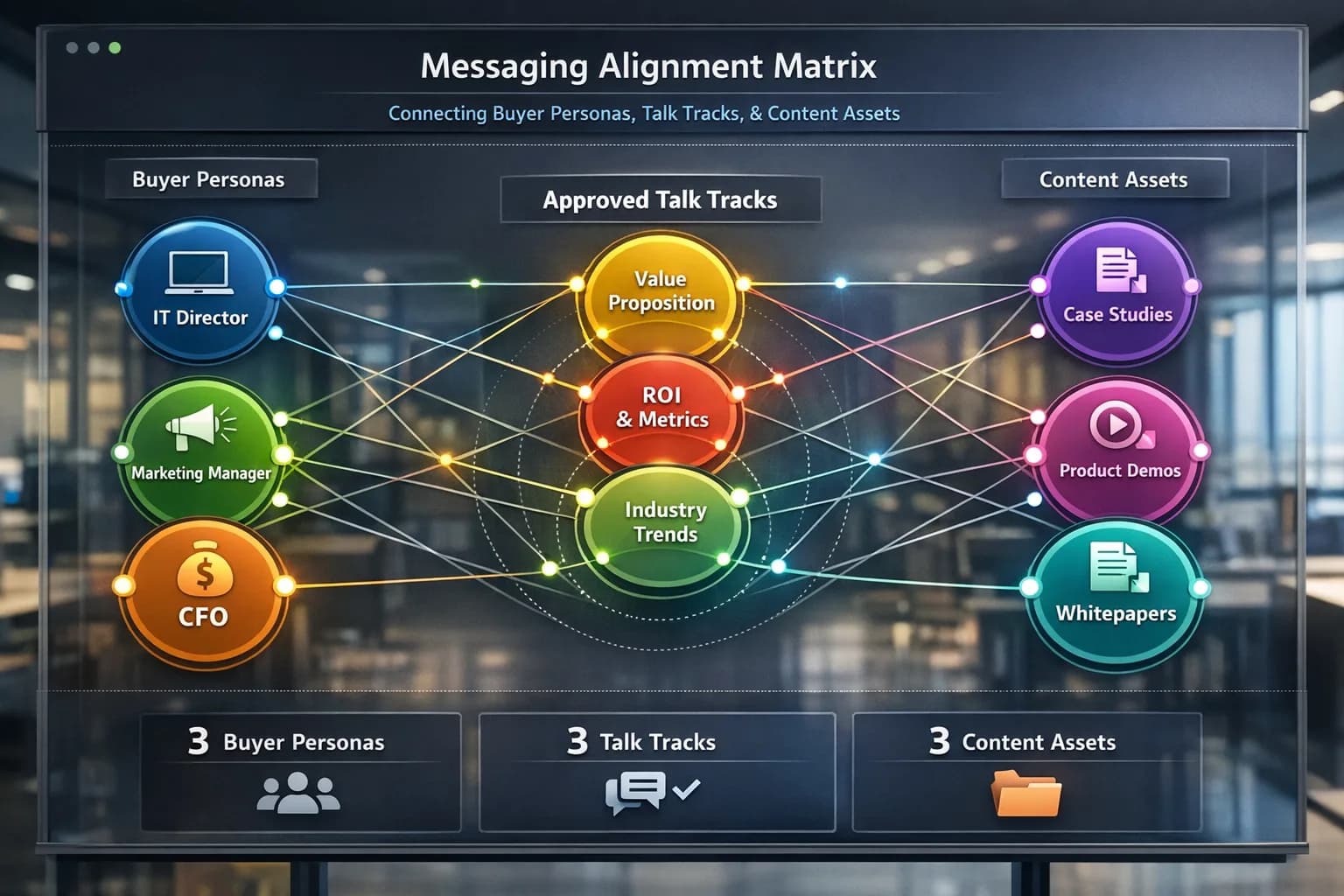
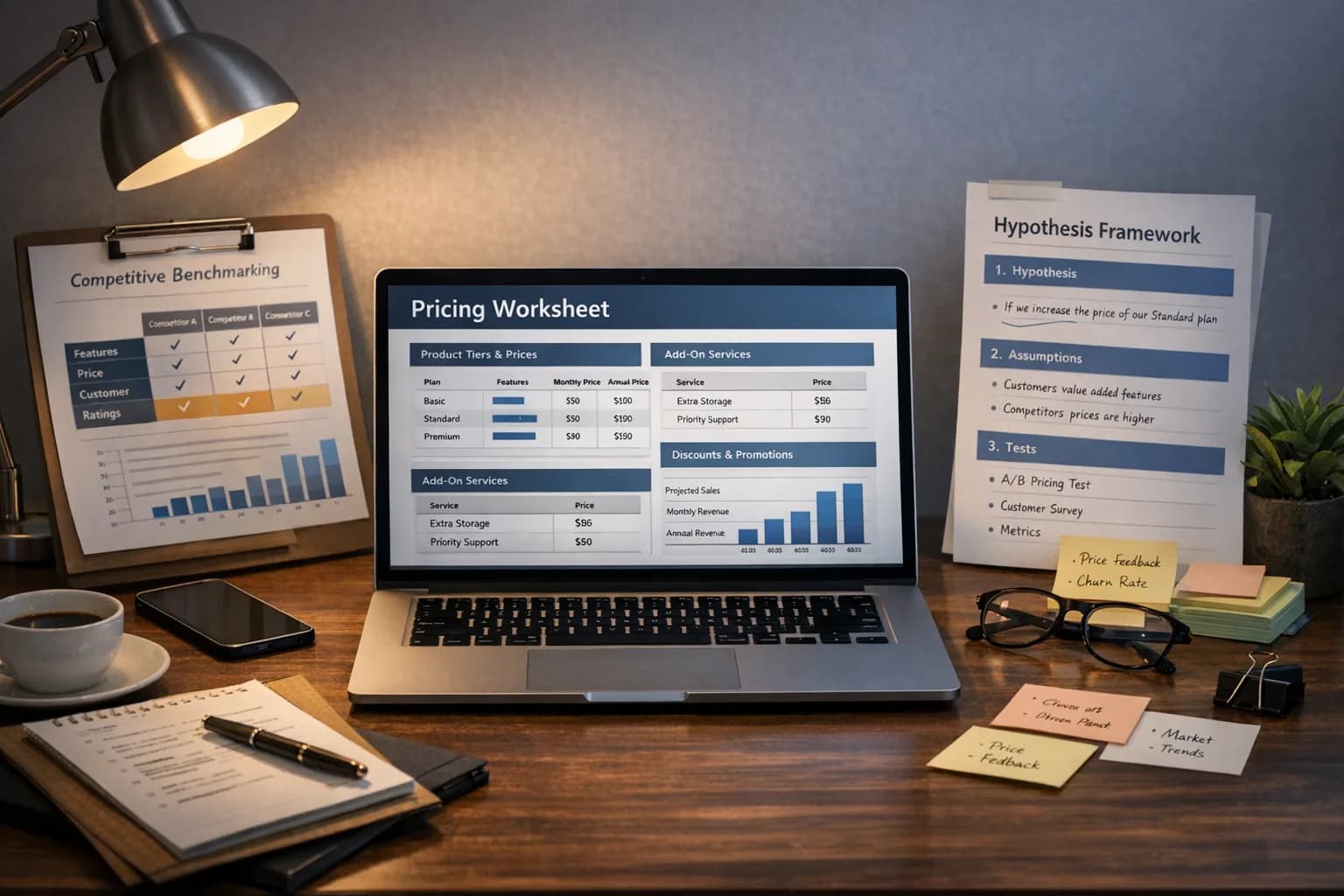
The set spans strategy through execution: an ICP worksheet and value proposition canvas for the foundational definitions, a messaging matrix and competitive battle cards for what your team says, a product launch playbook and ABM playbook for orchestration, plus territory planning, channel strategy, sales compensation, and pricing hypothesis worksheets for the operating decisions around them.
ICP clarity
Worksheets force specific answers about who you sell to, what they replace, and why they switch — the questions launch teams skip and then pay for in messaging churn.
Launch motion
Playbooks break a launch into phased workstreams with owners and dates, so product, marketing, and sales execute one coordinated motion instead of three parallel ones.
Channel and territory focus
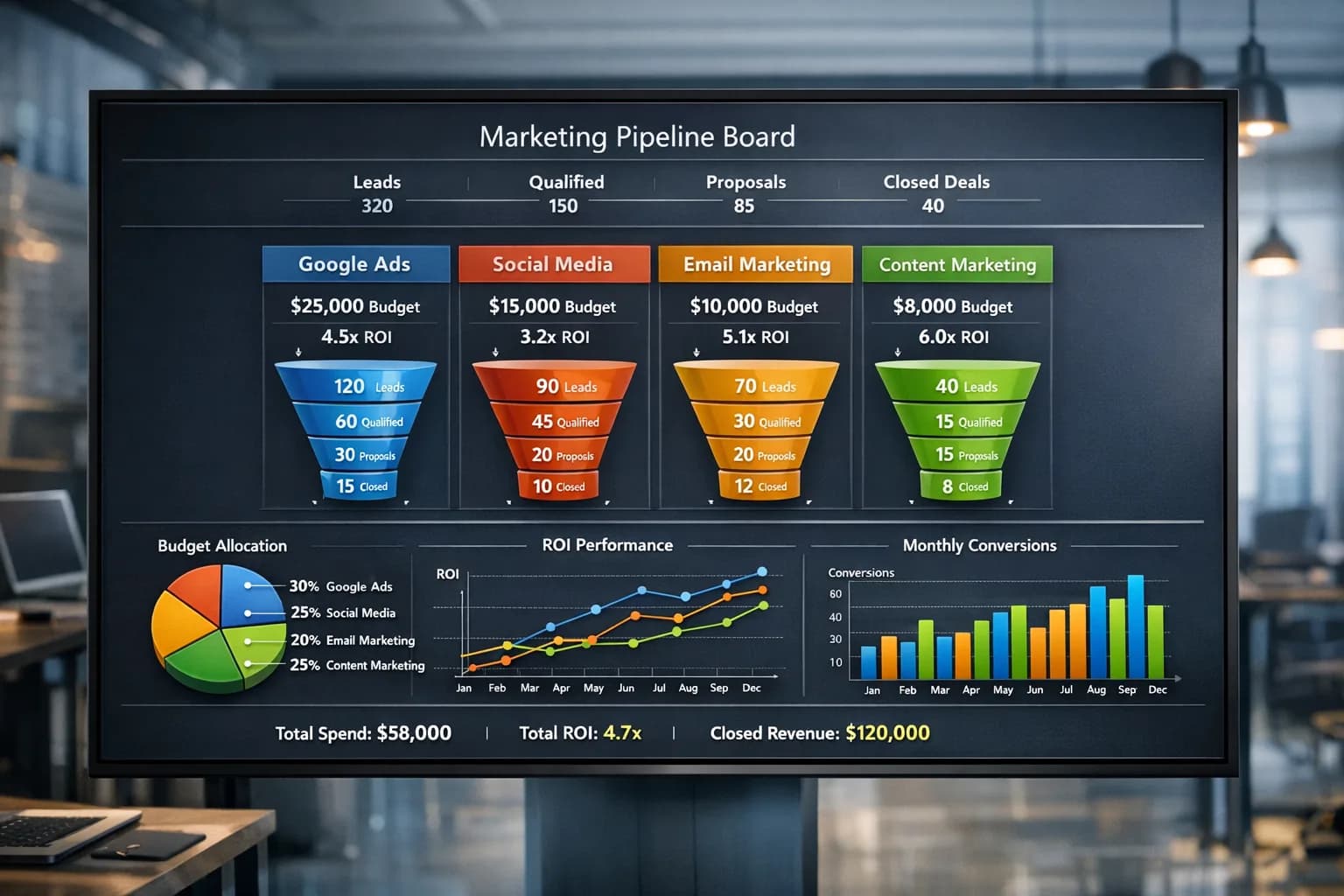
Scoring frameworks rank channels and carve territories on data — market size, coverage, win history — replacing the gut-feel allocations that spark comp disputes.
Template library
Ready-to-use go-to-market
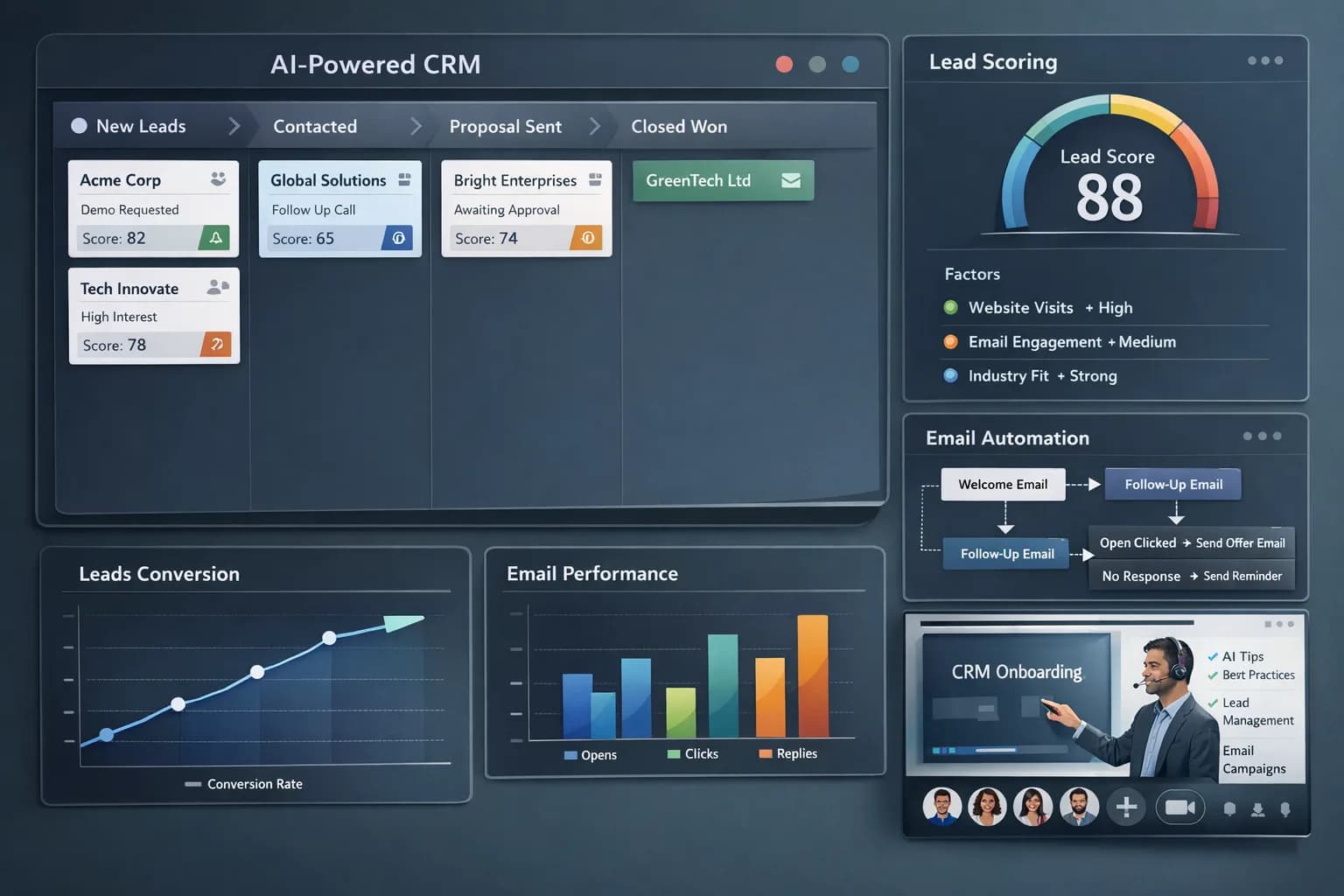
Pick a template, review the workflow details, then download or adapt it for your CRM rollout.
Format availability varies by template.
Rollout path
Sequencing GTM work so nothing gets rebuilt later
Teams get better adoption when the template is customized before automation is layered on top.
Sequence foundation before execution
Complete the ICP worksheet and value proposition canvas before touching launch or messaging templates — every downstream document inherits its assumptions from those two.
Draft alone, finalize together
Have one owner produce a complete first draft of each worksheet, then pressure-test it in a cross-functional session. Group-writing from a blank page produces consensus mush.
Put battle cards where reps already work
Competitive battle cards die in slide decks. Load the win themes and objection responses into your CRM so they surface on the deal record when a competitor is tagged.
Set review dates at creation
GTM documents decay — competitors ship, pricing shifts, segments mature. Date-stamp each template and book the 90-day review when you finish it, not when it breaks.
Customize first
Make the template match your team
Browse ready-to-use go-to-market you can adapt for your sales team, RevOps process, or CRM rollout. Every template includes practical guidance so you can move from planning to execution faster.
Edit ownership, terminology, handoff rules, required fields, timing expectations, and reporting views first. Those changes make the framework feel native to your team and improve adoption after rollout.
When you deploy a template into HelloGrowthCRM, the automation layer comes with it — see the full feature set for what each plan automates, or check pricing if you are sizing the rollout for a team. Every template here works on the free plan.
Product Launch Playbook
CRM-ready launch workspace with messaging framework, cross-functional workstreams, weekly timeline, readiness checklist, and post-launch reviews.
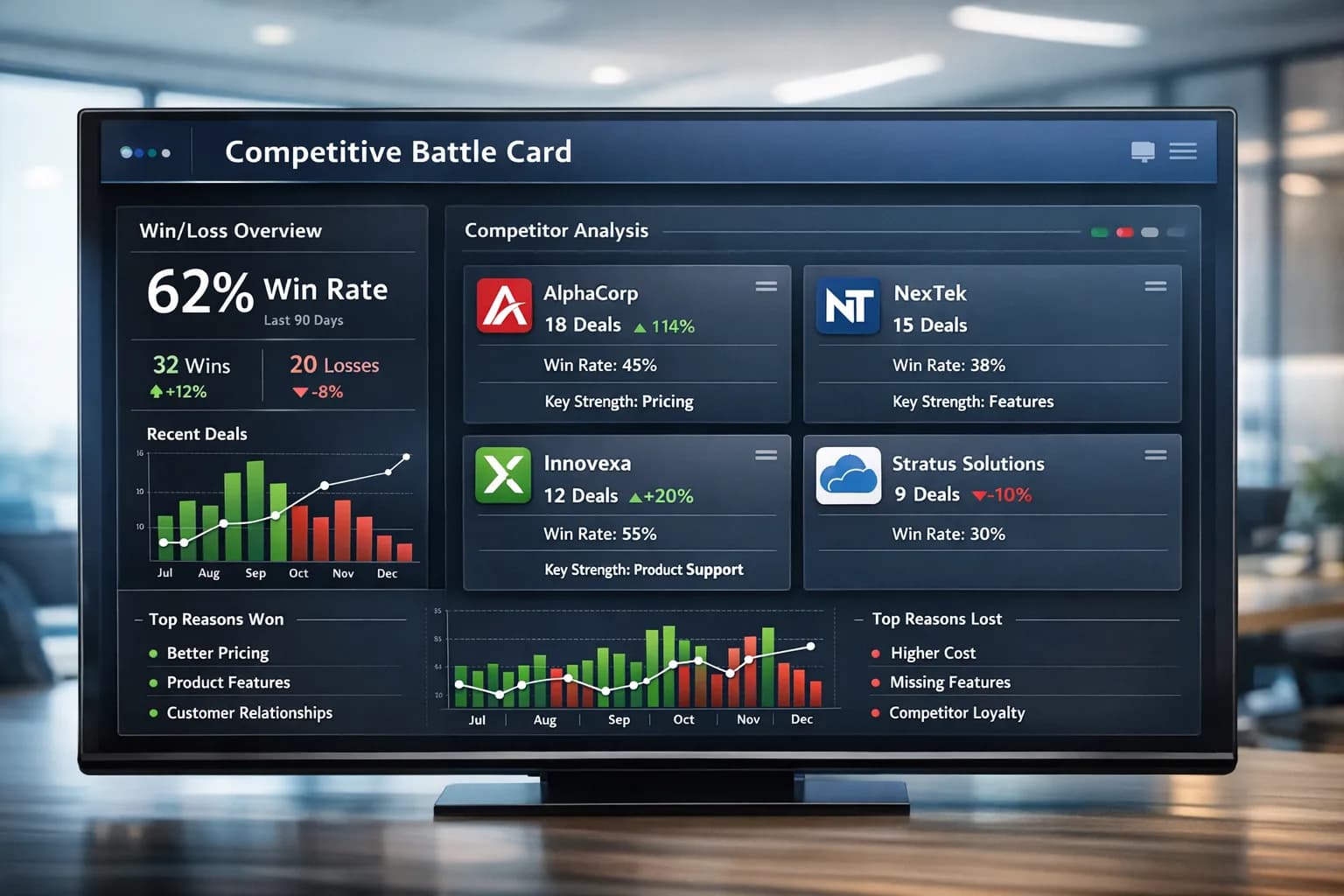
OpenCompetitive Battle Cards
Sales-ready competitive battle card template with top-3 competitor cards, objection handling, rep-tested win tactics, and recurring review workflows.
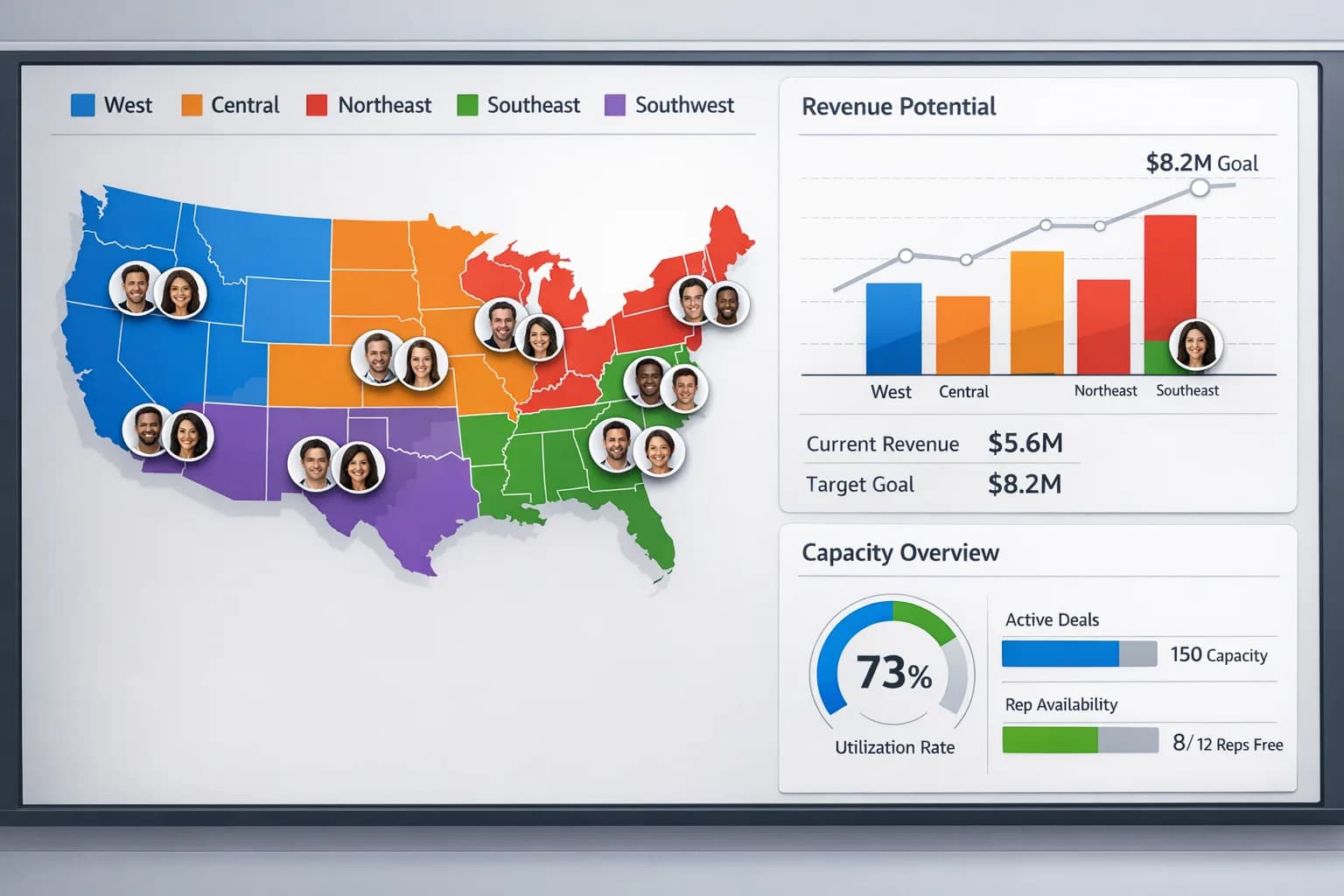
OpenSales Territory Planning Template
Data-driven territory planning workspace with account import, potential scoring, balance checks, quota planning, and optional performance tracking.
OpenCommon questions
Go-to-Market: what teams ask before downloading
More categories