Skip to content
    Product & Tools
    Best Free Sales Tools and CRM Calculators for Revenue Teams

    Best Free Sales Tools and CRM Calculators for Revenue Teams

    HelloGrowthCRM Team

    HelloGrowthCRM Team

    CRM & RevOps Experts · March 19, 2026

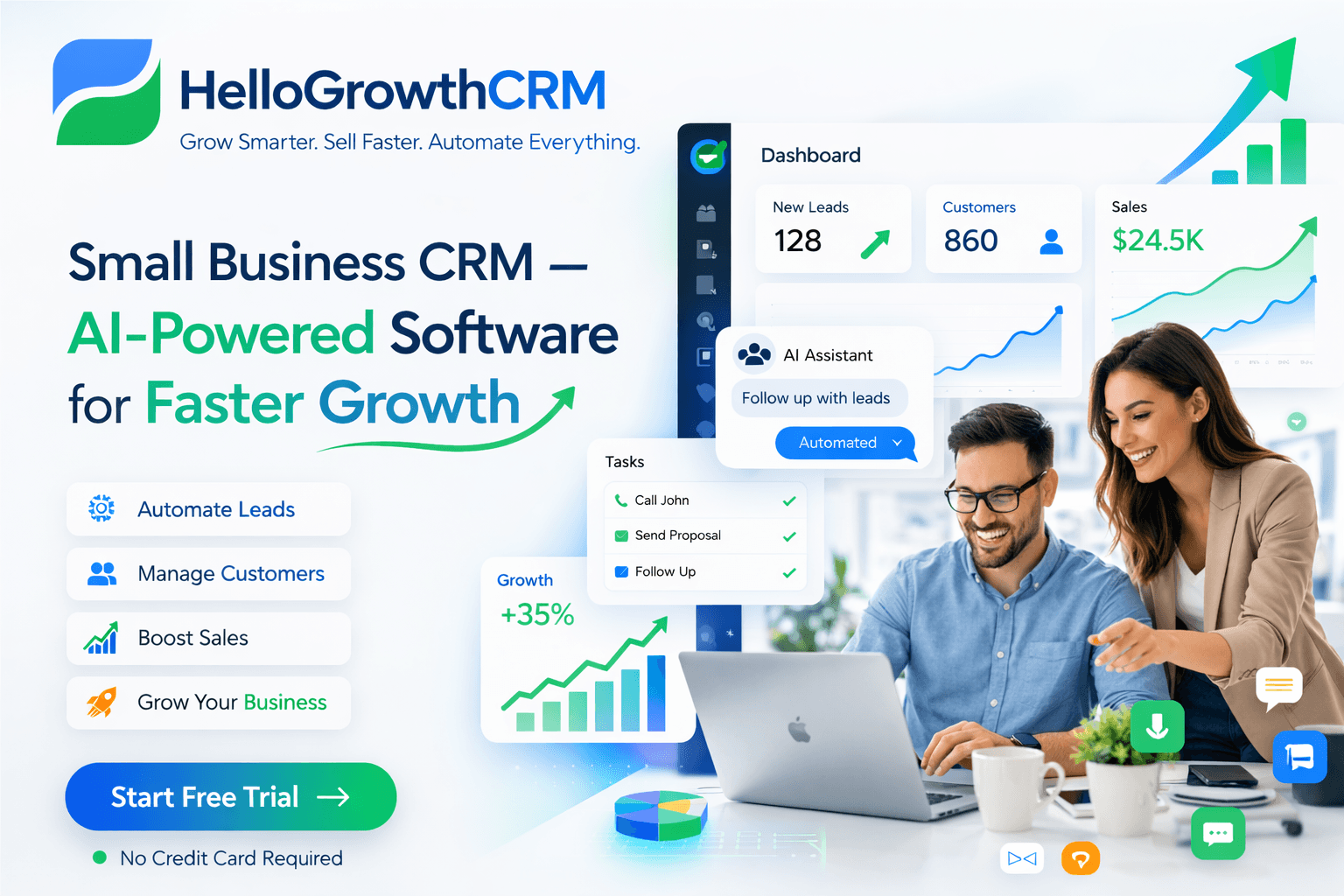
    HelloGrowthCRM software

    Built for real small-business sales teams

    HelloGrowthCRM helps reps qualify faster, follow up on time, and close more deals—with practical automation in one place.

    • AI lead scoring and pipeline visibility
    • Built-in dialer, WhatsApp, and email automation
    • Sales forecasting and RevOps-ready reporting

    Why free sales tools are useful before a full platform decision

    Free sales tools are most useful when a team wants immediate clarity before changing its process or buying software. A calculator, benchmark, checklist, or generator can expose where the funnel is breaking, how much a workflow problem is costing, or what type of motion the team should run next. That is why many buyers start with the tools hub before they commit to a full CRM rollout.

    The best tool libraries do more than collect widgets. They help buyers connect diagnostics and calculators back to the operating workflows they eventually need to improve.

    Pipeline, forecasting, and RevOps tools for operational clarity

    Revenue teams often begin with pipeline and reporting tools because those reveal the biggest process gaps fastest. Useful starting points include pipeline health score, sales pipeline calculator, deal velocity calculator, forecast accuracy tracker, funnel leakage calculator, sales cycle benchmark, and RevOps maturity assessment.

    The same operating area is also supported by sales ROI calculator, revenue goal calculator, CRM ROI calculator, win-loss analysis, data health checker, and CRM migration checklist.

    Together, these tools help teams understand where revenue performance is leaking before they redesign process.

    Lead qualification, AI, and messaging tools for faster follow-up

    Sales teams that care about response quality usually start with lead qualification and communication tools. That includes lead scoring calculator, lead scoring template, lead qualification scorecard, ICP scorecard builder, buyer persona generator, and objection handler.

    For messaging and outreach, the most relevant pages include cold email templates, sales script generator, call script builder, follow-up cadence builder, outreach frequency optimizer, email subject line generator, subject line tester, email personalization generator, sales email analyzer, battle card builder, meeting prep assistant, and A/B test planner.

    These tools are especially useful when the team wants to improve follow-up quality before introducing heavier automation.

    Financial, planning, and benchmark tools for GTM decision-making

    Some of the highest-value free tools are the ones that help leadership make planning decisions. Pages like CAC calculator, commission calculator, SaaS pricing calculator, churn impact calculator, and dialer ROI calculator help connect GTM decisions back to unit economics and team design.

    There are also broader planning tools like CRM comparison quiz that help buyers figure out which software path fits them before they dive into deeper product or competitor research.

    How to use these tools together with product evaluation

    The fastest way to use a free tool library well is to start with the pain point, not the category. If forecast quality is weak, begin with forecasting and pipeline diagnostics. If reps struggle with messaging, begin with scripts, sequences, and personalization tools. If the team is evaluating software, start with ROI, comparison, and migration resources.

    From there, connect the output back to the full product hub and features page. That way the tools are not isolated calculators. They become part of a more complete workflow for improving pipeline quality, follow-up execution, and revenue operations discipline.

    Implementation checklist for Best Free Sales Tools and CRM Calculators for Revenue Teams

    Best Free Sales Tools and CRM Calculators for Revenue Teams creates the most value when the team turns it into a repeatable operating rhythm instead of treating it like a one-time idea. That means defining ownership, documenting the workflow, and making sure the CRM captures the information required to move work forward consistently.

    For teams in the Product & Tools category, the real gain usually comes from clarity. Reps should know what triggers the next step, managers should know what to inspect weekly, and leadership should know which metrics indicate that the workflow is improving execution rather than just creating extra activity.

    A practical implementation checklist should also explain what happens before launch and what happens after launch. Before rollout, the team should agree on definitions, entry criteria, ownership rules, and the small set of data points that matter most.

    After rollout, the team should review real records, measure whether the workflow is actually being used, and tighten the process when a stage, task, or handoff is still too ambiguous.

    This is where many CRM initiatives lose momentum. Teams buy the feature or copy the framework, but they never translate it into a weekly operating habit. The stronger path is to keep the workflow simple, connect it to visible manager review points, and make sure the next action is obvious enough that reps do not need to guess what to do next.

    What strong teams standardize after adopting Best Free Sales Tools and CRM Calculators for Revenue Teams

    The strongest teams usually standardize stage rules, ownership, response expectations, and the minimum fields required for reporting. They also make sure follow-up tasks, communication history, and manager review points are visible in one system instead of being scattered across spreadsheets and inboxes.

    That consistency is especially important for HelloGrowthCRM readers because the platform is designed to connect lead management, communication, pipeline control, and reporting in one place. When those pieces stay aligned, teams spend less time cleaning up process gaps and more time improving conversion quality.

    Standardization does not mean forcing the whole company into unnecessary complexity. It means choosing the handful of rules that make execution more reliable. That might include one definition of a qualified lead, one owner for each stage transition, one agreed list of required fields, and one review cadence for deals or accounts that are going stale.

    Those rules make automation and dashboards more trustworthy because everyone is working from the same operating model.

    It also helps new hires ramp faster. When a process is written down clearly and reflected in the CRM itself, reps can understand how work moves without relying on tribal knowledge. That reduces friction, shortens onboarding time, and makes the system easier to improve later because the baseline workflow is already visible and testable.

    Metrics to review when evaluating Best Free Sales Tools and CRM Calculators for Revenue Teams

    A useful workflow should change measurable outcomes. The exact metrics vary by topic, but most teams should review conversion rate, stage velocity, follow-up completion, response time, pipeline aging, and forecast confidence. Looking at both activity metrics and quality metrics gives a more reliable picture than tracking volume alone.

    If the workflow is not improving those signals, the issue is often not effort but design. The team may be tracking too much, automating too early, or failing to define the next action clearly enough for reps and managers to trust the process.

    It is also worth separating leading indicators from lagging indicators. Leading indicators show whether the team is doing the right things now, such as responding quickly, completing follow-up tasks, or moving records forward with the right context. Lagging indicators show whether those habits ultimately improve outcomes, such as more meetings booked, better conversion between stages, higher win rates, or more accurate forecasts.

    Teams need both views if they want to improve the system instead of reacting only after performance slips.

    For HelloGrowthCRM buyers, this matters because the platform is meant to reduce the gap between activity and insight. A strong CRM should help teams see what changed, why it changed, and which part of the workflow needs attention next. When those metrics are reviewed consistently, the blog topic becomes more than educational content.

    It becomes a practical operating standard that guides better day-to-day decisions.

    How HelloGrowthCRM readers should apply Best Free Sales Tools and CRM Calculators for Revenue Teams

    The best next step after reading this guide is to connect the topic to a real operating problem in your funnel. That could be slow lead response, unclear qualification, poor pipeline hygiene, weak forecasting, or disconnected communication. Once the problem is specific, it becomes easier to decide which features, tools, or service paths inside HelloGrowthCRM will actually help.

    That practical lens is what turns educational blog content into a useful buying and implementation resource. It helps teams compare options more clearly, reduce CRM complexity, and make better process decisions with less trial and error.

    A useful way to apply the guide is to identify one workflow your team already struggles with, then map the current steps from start to finish. Where does work stall? Which fields are missing? Which manager review points are inconsistent? Which channels are disconnected from the CRM?

    Answering those questions creates a direct path from educational content to implementation priorities, which is much more valuable than collecting ideas without acting on them.

    From there, teams can use HelloGrowthCRM in stages. Some will start with software only and implement the workflow internally. Others will pair the software with managed RevOps support so follow-up, reporting, and process discipline improve faster. In both cases, the strongest outcome comes from using the blog guidance as a bridge between diagnosis and execution, not as a standalone article that never changes how the team works.

    Operational expansion for Best Free Sales Tools and CRM Calculators for Revenue Teams

    Best Free Sales Tools and CRM Calculators for Revenue Teams creates the most value when the team turns it into a repeatable operating rhythm instead of treating it like a one-time idea. That means defining ownership, documenting the workflow, and making sure the CRM captures the information required to move work forward consistently.

    For teams in the Product & Tools category, the real gain usually comes from clarity. Reps should know what triggers the next step, managers should know what to inspect weekly, and leadership should know which metrics indicate that the workflow is improving execution rather than just creating extra activity.

    A practical implementation checklist should also explain what happens before launch and what happens after launch. Before rollout, the team should agree on definitions, entry criteria, ownership rules, and the small set of data points that matter most.

    After rollout, the team should review real records, measure whether the workflow is actually being used, and tighten the process when a stage, task, or handoff is still too ambiguous.

    This is where many CRM initiatives lose momentum. Teams buy the feature or copy the framework, but they never translate it into a weekly operating habit. The stronger path is to keep the workflow simple, connect it to visible manager review points, and make sure the next action is obvious enough that reps do not need to guess what to do next.

    What strong teams standardize after adopting Best Free Sales Tools and CRM Calculators for Revenue Teams

    The strongest teams usually standardize stage rules, ownership, response expectations, and the minimum fields required for reporting. They also make sure follow-up tasks, communication history, and manager review points are visible in one system instead of being scattered across spreadsheets and inboxes.

    That consistency is especially important for HelloGrowthCRM readers because the platform is designed to connect lead management, communication, pipeline control, and reporting in one place. When those pieces stay aligned, teams spend less time cleaning up process gaps and more time improving conversion quality.

    Standardization does not mean forcing the whole company into unnecessary complexity. It means choosing the handful of rules that make execution more reliable. That might include one definition of a qualified lead, one owner for each stage transition, one agreed list of required fields, and one review cadence for deals or accounts that are going stale.

    Those rules make automation and dashboards more trustworthy because everyone is working from the same operating model.

    It also helps new hires ramp faster. When a process is written down clearly and reflected in the CRM itself, reps can understand how work moves without relying on tribal knowledge. That reduces friction, shortens onboarding time, and makes the system easier to improve later because the baseline workflow is already visible and testable.

    Metrics to review when evaluating Best Free Sales Tools and CRM Calculators for Revenue Teams

    A useful workflow should change measurable outcomes. The exact metrics vary by topic, but most teams should review conversion rate, stage velocity, follow-up completion, response time, pipeline aging, and forecast confidence. Looking at both activity metrics and quality metrics gives a more reliable picture than tracking volume alone.

    If the workflow is not improving those signals, the issue is often not effort but design. The team may be tracking too much, automating too early, or failing to define the next action clearly enough for reps and managers to trust the process.

    It is also worth separating leading indicators from lagging indicators. Leading indicators show whether the team is doing the right things now, such as responding quickly, completing follow-up tasks, or moving records forward with the right context. Lagging indicators show whether those habits ultimately improve outcomes, such as more meetings booked, better conversion between stages, higher win rates, or more accurate forecasts.

    Teams need both views if they want to improve the system instead of reacting only after performance slips.

    For HelloGrowthCRM buyers, this matters because the platform is meant to reduce the gap between activity and insight. A strong CRM should help teams see what changed, why it changed, and which part of the workflow needs attention next. When those metrics are reviewed consistently, the blog topic becomes more than educational content.

    It becomes a practical operating standard that guides better day-to-day decisions.

    How HelloGrowthCRM readers should apply Best Free Sales Tools and CRM Calculators for Revenue Teams

    The best next step after reading this guide is to connect the topic to a real operating problem in your funnel. That could be slow lead response, unclear qualification, poor pipeline hygiene, weak forecasting, or disconnected communication. Once the problem is specific, it becomes easier to decide which features, tools, or service paths inside HelloGrowthCRM will actually help.

    That practical lens is what turns educational blog content into a useful buying and implementation resource. It helps teams compare options more clearly, reduce CRM complexity, and make better process decisions with less trial and error.

    A useful way to apply the guide is to identify one workflow your team already struggles with, then map the current steps from start to finish. Where does work stall? Which fields are missing? Which manager review points are inconsistent? Which channels are disconnected from the CRM?

    Answering those questions creates a direct path from educational content to implementation priorities, which is much more valuable than collecting ideas without acting on them.

    From there, teams can use HelloGrowthCRM in stages. Some will start with software only and implement the workflow internally. Others will pair the software with managed RevOps support so follow-up, reporting, and process discipline improve faster. In both cases, the strongest outcome comes from using the blog guidance as a bridge between diagnosis and execution, not as a standalone article that never changes how the team works.

    Operational expansion for Best Free Sales Tools and CRM Calculators for Revenue Teams

    Best Free Sales Tools and CRM Calculators for Revenue Teams creates the most value when the team turns it into a repeatable operating rhythm instead of treating it like a one-time idea. That means defining ownership, documenting the workflow, and making sure the CRM captures the information required to move work forward consistently.

    For teams in the Product & Tools category, the real gain usually comes from clarity. Reps should know what triggers the next step, managers should know what to inspect weekly, and leadership should know which metrics indicate that the workflow is improving execution rather than just creating extra activity.

    A practical implementation checklist should also explain what happens before launch and what happens after launch. Before rollout, the team should agree on definitions, entry criteria, ownership rules, and the small set of data points that matter most.

    After rollout, the team should review real records, measure whether the workflow is actually being used, and tighten the process when a stage, task, or handoff is still too ambiguous.

    This is where many CRM initiatives lose momentum. Teams buy the feature or copy the framework, but they never translate it into a weekly operating habit. The stronger path is to keep the workflow simple, connect it to visible manager review points, and make sure the next action is obvious enough that reps do not need to guess what to do next.

    What strong teams standardize after adopting Best Free Sales Tools and CRM Calculators for Revenue Teams

    The strongest teams usually standardize stage rules, ownership, response expectations, and the minimum fields required for reporting. They also make sure follow-up tasks, communication history, and manager review points are visible in one system instead of being scattered across spreadsheets and inboxes.

    That consistency is especially important for HelloGrowthCRM readers because the platform is designed to connect lead management, communication, pipeline control, and reporting in one place. When those pieces stay aligned, teams spend less time cleaning up process gaps and more time improving conversion quality.

    Standardization does not mean forcing the whole company into unnecessary complexity. It means choosing the handful of rules that make execution more reliable. That might include one definition of a qualified lead, one owner for each stage transition, one agreed list of required fields, and one review cadence for deals or accounts that are going stale.

    Those rules make automation and dashboards more trustworthy because everyone is working from the same operating model.

    It also helps new hires ramp faster. When a process is written down clearly and reflected in the CRM itself, reps can understand how work moves without relying on tribal knowledge. That reduces friction, shortens onboarding time, and makes the system easier to improve later because the baseline workflow is already visible and testable.

    Metrics to review when evaluating Best Free Sales Tools and CRM Calculators for Revenue Teams

    A useful workflow should change measurable outcomes. The exact metrics vary by topic, but most teams should review conversion rate, stage velocity, follow-up completion, response time, pipeline aging, and forecast confidence. Looking at both activity metrics and quality metrics gives a more reliable picture than tracking volume alone.

    If the workflow is not improving those signals, the issue is often not effort but design. The team may be tracking too much, automating too early, or failing to define the next action clearly enough for reps and managers to trust the process.

    It is also worth separating leading indicators from lagging indicators. Leading indicators show whether the team is doing the right things now, such as responding quickly, completing follow-up tasks, or moving records forward with the right context. Lagging indicators show whether those habits ultimately improve outcomes, such as more meetings booked, better conversion between stages, higher win rates, or more accurate forecasts.

    Teams need both views if they want to improve the system instead of reacting only after performance slips.

    For HelloGrowthCRM buyers, this matters because the platform is meant to reduce the gap between activity and insight. A strong CRM should help teams see what changed, why it changed, and which part of the workflow needs attention next. When those metrics are reviewed consistently, the blog topic becomes more than educational content.

    It becomes a practical operating standard that guides better day-to-day decisions.

    How HelloGrowthCRM readers should apply Best Free Sales Tools and CRM Calculators for Revenue Teams

    The best next step after reading this guide is to connect the topic to a real operating problem in your funnel. That could be slow lead response, unclear qualification, poor pipeline hygiene, weak forecasting, or disconnected communication. Once the problem is specific, it becomes easier to decide which features, tools, or service paths inside HelloGrowthCRM will actually help.

    That practical lens is what turns educational blog content into a useful buying and implementation resource. It helps teams compare options more clearly, reduce CRM complexity, and make better process decisions with less trial and error.

    A useful way to apply the guide is to identify one workflow your team already struggles with, then map the current steps from start to finish. Where does work stall? Which fields are missing? Which manager review points are inconsistent? Which channels are disconnected from the CRM?

    Answering those questions creates a direct path from educational content to implementation priorities, which is much more valuable than collecting ideas without acting on them.

    From there, teams can use HelloGrowthCRM in stages. Some will start with software only and implement the workflow internally. Others will pair the software with managed RevOps support so follow-up, reporting, and process discipline improve faster. In both cases, the strongest outcome comes from using the blog guidance as a bridge between diagnosis and execution, not as a standalone article that never changes how the team works.

    Get CRM tips in your inbox

    Join thousands of sales professionals who get weekly insights on CRM strategy, AI automation, and pipeline optimization.

    No spam. Unsubscribe anytime.

    HelloGrowthCRM Team
    HelloGrowthCRM TeamCRM & RevOps ExpertsLinkedIn

    The HelloGrowthCRM team publishes guides on CRM strategy, AI sales tools, and revenue operations for small business sales teams.


    About HelloGrowthCRM

    HelloGrowthCRM is an AI-powered CRM platform built for small business sales teams. It combines contact management, deal pipeline tracking, AI lead scoring, a built-in dialer, WhatsApp and SMS messaging, email automation, and sales forecasting — all in a single workspace. Teams can start free or upgrade to a fully managed RevOps service where specialists run follow-up, pipeline hygiene, and weekly reporting on their behalf.

    Unlike traditional CRM software that charges extra for AI, calling, and automation, HelloGrowthCRM bundles those capabilities into every paid plan. The platform is used by B2B sales teams, consulting firms, SaaS startups, real estate agencies, and service businesses across the United States and India.

    How It Helps Sales Teams

    Most small sales teams lose revenue because leads go cold, follow-ups are inconsistent, and pipeline data is unreliable. HelloGrowthCRM addresses these problems by automatically scoring inbound leads with AI, routing them to the right rep, triggering follow-up sequences, and surfacing deal risk before opportunities are lost. Managers get real-time dashboards and weekly forecasts without rebuilding reports in spreadsheets.

    The optional Managed RevOps service goes further — a dedicated team of revenue operations specialists operates inside your HelloGrowthCRM account, handling everything from lead triage to pipeline cleanup and rep coaching. Teams on the Growth Engine plan typically see a measurable improvement in speed-to-lead and contact rate within the first 30 days.

    Helpful Resources

    Explore the full feature list to see every capability, or compare HelloGrowthCRM against HubSpot, Salesforce, and Pipedrive. The CRM and RevOps blog publishes weekly guides on lead management, sales automation, and pipeline strategy. Free interactive tools — including the CRM ROI calculator, lead scoring calculator, and pipeline health score — help teams benchmark performance before choosing a CRM.

    Pricing starts free with no credit card required. View pricing plans, start a 14-day trial, or book a live demo to see the platform in action. Questions? Contact the team or visit the developer docs.