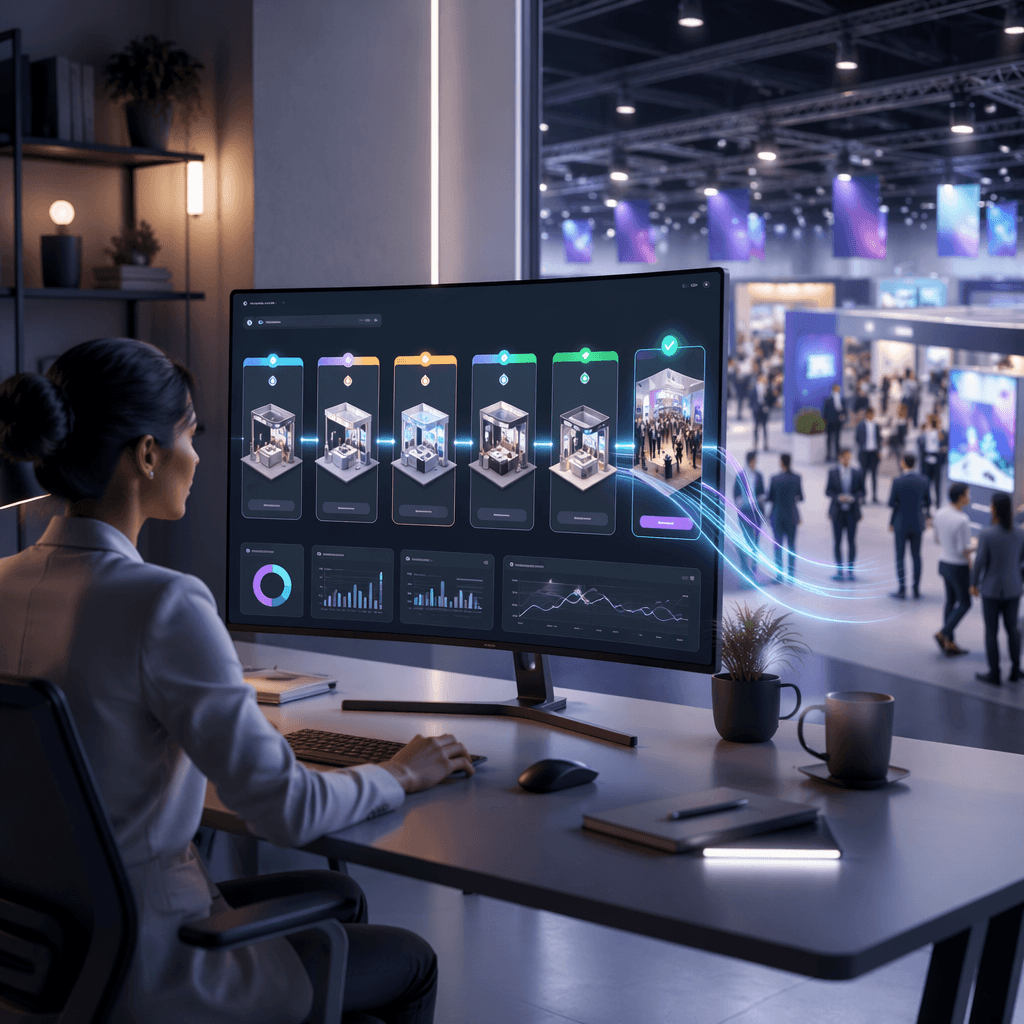
HelloGrowthCRM software
Built for real small-business sales teams
HelloGrowthCRM helps reps qualify faster, follow up on time, and close more deals—with practical automation in one place.
- AI lead scoring and pipeline visibility
- Built-in dialer, WhatsApp, and email automation
- Sales forecasting and RevOps-ready reporting
A CRM for B2B event organizers managing a sponsor sales pipeline is a system that tracks sponsor and exhibitor deals from first inquiry through package negotiation, contracts, booth allocation, and post‑event renewal, giving event teams one place to manage multi‑event revenue pipelines, automate follow‑ups, and forecast sponsorship revenue accurately.
Key Takeaways
- B2B event companies manage complex pipelines involving sponsors, exhibitors, and multi‑year renewals that spreadsheets cannot track reliably.
- A purpose‑built CRM centralizes sponsor inquiries, package negotiations, contracts, and booth allocations in one system.
- Automation ensures sponsors and exhibitors receive consistent follow‑ups throughout the sales cycle.
- Revenue teams can forecast sponsorship revenue across multiple events and sponsorship tiers.
- HelloGrowthCRM adds AI‑driven pipeline insights, automated outreach, and renewal tracking designed for B2B event sales teams.
Why B2B Event Organizers Need a CRM for Sponsor Sales Pipelines
A CRM for B2B event organizers helps teams manage sponsor and exhibitor pipelines by tracking inquiries, negotiations, contracts, booth assignments, and renewals in one system, replacing fragmented spreadsheets and email threads with a structured revenue pipeline that supports forecasting, automated follow‑ups, and long‑term sponsor relationships.
B2B events run on predictable sponsorship revenue. But most organizers still manage deals using a mix of:
- spreadsheets for sponsor tracking
- email threads for negotiations
- separate documents for contracts
- disconnected tools for marketing outreach
That fragmentation causes real problems.
Typical sponsor sales challenges include:
- Lost inbound inquiries that never get followed up
- Unclear pipeline visibility across multiple events
- Missed renewal opportunities after the event
- Inconsistent pricing or package negotiation
- No reliable forecast for sponsorship revenue
According to Harvard Business Review, companies that respond to new leads within one hour are nearly seven times more likely to qualify the lead than those that wait longer (source). In event sponsorship sales, slow responses often mean sponsors choose another conference.
A CRM solves this by creating a structured pipeline where every sponsor inquiry becomes a trackable deal.
With a system like HelloGrowthCRM's AI CRM, event teams can manage the entire sponsor lifecycle:
- inbound inquiry → sponsor opportunity
- package negotiation → contract stage
- event delivery → post‑event renewal
Everything lives inside one revenue system.
The Unique Complexity of Event Sponsor and Exhibitor Pipelines
B2B event sponsor pipelines are complex because each opportunity often involves multiple contacts, custom packages, tiered pricing, and long sales cycles tied to specific event dates, requiring a CRM capable of managing multi‑stakeholder deals, event‑based timelines, and recurring sponsorship opportunities.
Event sponsorship deals differ from standard SaaS sales in several ways.
Multiple Stakeholders Per Deal
A sponsor opportunity often includes:
- marketing leadership
- partnerships teams
- procurement
- regional marketing managers
Each contact influences the deal differently.
Using tools like Smart Inbox and contact tracking ensures every stakeholder interaction is captured in one place.
Package‑Based Sales
Sponsors rarely buy a single product.
Instead, they buy packages such as:
- platinum sponsorship
- keynote sponsorship
- booth packages
- networking session sponsorship
- branded lounges or activations
Each package has unique pricing and deliverables.
Using structured opportunity records and a tool like the Proposal Builder, sales teams can generate tailored sponsorship packages quickly.
Multi‑Event Pipelines
Sponsors often participate in several events per year.
Without a CRM, teams struggle to answer simple questions like:
- Which sponsors attended last year's event?
- Which exhibitors expanded into larger packages?
- Who should be prioritized for renewals?
A CRM pipeline solves this by tracking deals by:
- event name
- sponsorship tier
- geography
- industry segment
Key CRM Features for Managing Sponsor Sales and Exhibitor Pipelines
The best CRM for B2B event organizers includes features that manage sponsor pipelines, automate outreach, forecast event revenue, and track exhibitor relationships across multiple events, allowing organizers to move from reactive deal tracking to structured, predictable sponsorship revenue management.
Not all CRMs are designed for event sales.
Event organizers need capabilities built for recurring sponsorship pipelines.
1. Structured Sponsor Sales Pipelines
A CRM pipeline helps track each stage of sponsor acquisition.
Typical stages include:
- Inquiry received
- Discovery call scheduled
- Sponsorship package proposed
- Negotiation
- Contract signed
- Booth or activation planning
- Event delivery
- Renewal outreach
Tools like AI Pipeline Management help revenue leaders identify stalled deals and forecast revenue across stages.
2. Automated Follow‑Ups With Sponsors
Sponsors often evaluate multiple events before committing.
Automated follow‑ups help maintain engagement.
With Email Automation, teams can trigger sequences such as:
- post‑inquiry follow‑up
- proposal reminder
- contract reminder
- post‑event feedback outreach
This prevents deals from going cold.
3. AI‑Driven Lead Qualification
Not all sponsor inquiries have the same value.
Some are high‑budget enterprise sponsors. Others are small exhibitors.
Using AI Lead Scoring, the CRM prioritizes leads based on:
- company size
- historical sponsorship behavior
- engagement with event content
- response to outreach
This helps sales teams focus on high‑value sponsors first.
4. Revenue Forecasting for Events
Event organizers must forecast revenue months before the event.
Using Sales Forecasting, leadership can answer:
- How much sponsorship revenue is expected?
- Which deals are likely to close before the event deadline?
- Which sponsorship tiers are underperforming?
This insight helps adjust pricing or promotions early.
Managing Multi‑Event Sponsorship Revenue in One CRM
Managing multi‑event sponsorship revenue in a CRM means tracking sponsor relationships across different conferences, regions, and years so event teams can identify repeat sponsors, predict renewal likelihood, and grow lifetime sponsor value rather than treating each event as an isolated sales cycle.
Many B2B event companies run:
- annual flagship conferences
- regional events
- virtual summits
- industry roundtables
Sponsors often attend several.
Without a CRM, sponsor history becomes fragmented.
In one rollout I worked on with a 12‑person event sales team, we discovered that more than 40% of sponsors had previously exhibited at another event in the same portfolio, but the team rarely recognized those cross‑sell opportunities because records were spread across spreadsheets.
After consolidating data into one CRM pipeline, the team could see:
- all events a sponsor participated in
- sponsorship tier history
- past contract value
- renewal probability
Using tools like Revenue Attribution, leadership could finally measure which marketing channels drove sponsor revenue.
This also helps prioritize high‑value relationships.
Spreadsheet vs Generic CRM vs Event‑Focused CRM
Choosing the right system for sponsor sales pipelines requires comparing spreadsheets, general CRMs, and event‑focused platforms designed for multi‑event sponsorship revenue tracking.
| Capability | Spreadsheets | Generic CRM | HelloGrowthCRM |
|---|---|---|---|
| Sponsor pipeline visibility | Limited | Moderate | Full pipeline dashboards |
| Multi‑event tracking | Manual | Partial | Native event‑based pipelines |
| Automated sponsor follow‑ups | No | Basic | Advanced with Email Automation |
| AI lead prioritization | No | Rare | Built‑in AI Lead Scoring |
| Revenue forecasting | Manual formulas | Basic forecasting | Predictive Sales Forecasting |
| Proposal generation | Separate docs | Limited | Integrated Proposal Builder |
| Post‑event renewal workflows | Manual | Partial | Automated renewal pipelines |
Spreadsheets can work for very small events.
But once teams manage:
- multiple sponsorship tiers
- dozens of exhibitors
- multi‑event portfolios
they quickly become unmanageable.
A CRM centralizes everything.
How HelloGrowthCRM Supports Sponsor Sales Workflows
HelloGrowthCRM supports sponsor sales workflows by combining pipeline management, automated communications, AI insights, and revenue tracking so B2B event organizers can manage sponsor inquiries, exhibitor pipelines, and renewal outreach across multiple events without juggling disconnected tools.
The platform was designed for revenue teams managing complex deal pipelines.
For event organizers, several capabilities stand out.
AI‑Driven Pipeline Visibility
Using AI Deal Insights, sales leaders can quickly identify:
- deals at risk
- stalled sponsor negotiations
- opportunities likely to close before event deadlines
This helps teams intervene early.
Automated Meeting Scheduling
Sponsor discovery calls often involve multiple stakeholders.
Using the built‑in Meeting Scheduler, prospects can book calls directly with sponsorship sales managers.
This removes back‑and‑forth emails.
AI Sales Assistance
When event sales teams run large outreach campaigns, they often struggle to keep follow‑ups consistent.
Tools like the AI Sales Copilot help draft outreach messages, summarize conversations, and recommend next actions for deals.
Integration With Event Tech Stack
Most event businesses already use multiple tools.
HelloGrowthCRM integrates with systems such as:
This keeps communication, payments, and workflows connected.
The broader CRM ecosystem continues to expand as sales teams adopt automation and AI. Gartner continues to track CRM as one of the largest and most strategic enterprise software markets (Gartner CRM insights).
How to Build a Sponsor Sales Pipeline in a CRM: Step‑by‑Step
Building a sponsor sales pipeline in a CRM involves structuring deal stages, capturing inbound inquiries, assigning sponsorship packages, automating follow‑ups, and tracking post‑event renewals so event organizers can manage multi‑event sponsorship revenue with predictable visibility and repeatable sales processes.
- Define Sponsorship Deal Stages
- Capture All Sponsor Inquiries
- Attach Sponsorship Packages
- Automate Outreach Sequences
- Track Deal Health and Forecast Revenue
- Create a Post‑Event Renewal Pipeline
In another pipeline audit I performed for a mid‑size tech conference organizer, simply introducing structured renewal pipelines increased sponsor retention because the team started renewal conversations three months earlier.
Post‑Event Renewals: The Most Overlooked Revenue Opportunity
Post‑event renewals are the most overlooked revenue opportunity for B2B event organizers because many teams focus heavily on acquiring new sponsors while failing to systematically re‑engage past sponsors who already understand the event’s audience and value.
Renewals are usually easier than new sponsor acquisition.
Past sponsors already know:
- the audience quality
- the event brand
- the ROI of participation
But many teams rely on manual reminders.
A CRM solves this.
Using Customer Health Score, teams can track sponsor satisfaction based on:
- engagement with event campaigns
- feedback surveys
- activation success
Sponsors with high engagement scores should enter renewal outreach first.
Automated renewal sequences can start:
- immediately after the event
- during post‑event reporting
- several months before the next event launch
This keeps relationships warm.
Why Event Revenue Teams Are Moving to AI‑Driven CRM
Event revenue teams are moving to AI‑driven CRM systems because automation and predictive insights reduce manual pipeline management, improve sponsor response times, and help teams prioritize high‑value deals, ultimately increasing sponsorship revenue and reducing the operational complexity of managing multi‑event portfolios.
Modern sponsorship sales requires speed.
Sponsors expect:
- fast responses
- personalized packages
- data on audience reach
- clear ROI reporting
AI tools help sales teams operate at that level.
For example:
- AI prioritizes the most promising sponsor inquiries
- automation handles routine outreach
- deal insights flag stalled negotiations
This allows sales teams to focus on high‑value conversations.
B2B event organizers who want predictable sponsorship revenue need more than spreadsheets and email threads. A structured CRM pipeline gives teams the visibility, automation, and forecasting required to manage complex sponsor relationships across multiple events.
If you want to see how this works in practice, explore the full HelloGrowthCRM features or start a free trial to build your sponsor sales pipeline today.
About the author
Arjun Mehta is Head of Revenue Operations at HelloGrowthCRM and has spent 11 years building CRM and pipeline systems for B2B SaaS and event companies. He previously led a CRM rollout for a global technology conference portfolio managing more than 2,000 sponsor and exhibitor relationships. That project directly informed many of the pipeline frameworks described in this article.
Frequently Asked Questions
Q: What is a CRM for B2B event organizers?
A: A CRM for B2B event organizers is a system used to manage sponsor and exhibitor pipelines, track negotiations, store contracts, automate follow‑ups, and forecast sponsorship revenue across events. It replaces spreadsheets and centralizes sponsor relationships in one platform.
Q: Why do event companies need a sponsor sales pipeline?
A: Event companies need a sponsor sales pipeline because sponsorship deals involve multiple stages such as inquiry, proposal, negotiation, and contract signing. A pipeline helps teams track progress, forecast revenue, and ensure no sponsor opportunities are lost.
Q: Can a CRM manage exhibitor and sponsor deals together?
A: Yes, a CRM can manage exhibitor and sponsor deals together by storing both as opportunities in the same pipeline while tracking different package tiers, booth allocations, and contract details. This provides a unified view of total event revenue.
Q: How does CRM automation help event sponsorship sales?
A: CRM automation helps event sponsorship sales by sending automated follow‑ups, scheduling meetings, tracking engagement, and reminding sales teams about deal deadlines. This ensures sponsors receive consistent communication throughout the sales cycle.
Q: How do event organizers track sponsor renewals?
A: Event organizers track sponsor renewals by creating a dedicated renewal pipeline that automatically includes past sponsors after the event. This allows teams to start renewal conversations early and increase sponsor retention rates.
Q: What features should an event sponsorship CRM include?
A: An event sponsorship CRM should include deal pipelines, automated follow‑ups, proposal management, revenue forecasting, sponsor contact tracking, and integration with communication tools. AI‑driven insights can further help prioritize high‑value sponsorship deals.
Q: Is HelloGrowthCRM suitable for event sponsorship sales teams?
A: Yes, HelloGrowthCRM is suitable for event sponsorship sales teams because it supports complex deal pipelines, automated sponsor outreach, revenue forecasting, and multi‑event pipeline management in a single platform designed for revenue teams.
Q: How long does it take to implement a CRM for an event business?
A: Implementing a CRM for an event business typically takes a few days to a few weeks depending on pipeline complexity, number of events, and integrations required. Smaller teams can often launch a basic sponsor pipeline within days.
Frequently Asked Questions
Ready to put this into practice?
Set up your pipeline, WhatsApp follow-ups, and AI lead scoring in minutes — free, no credit card.
Try HelloGrowthCRM freeGet CRM tips in your inbox
Join thousands of sales professionals who get weekly insights on CRM strategy, AI automation, and pipeline optimization.

The HelloGrowthCRM team publishes guides on CRM strategy, AI sales tools, and revenue operations for small business sales teams.