HelloGrowthCRM software
Built for real small-business sales teams
HelloGrowthCRM helps reps qualify faster, follow up on time, and close more deals—with practical automation in one place.
- AI lead scoring and pipeline visibility
- Built-in dialer, WhatsApp, and email automation
- Sales forecasting and RevOps-ready reporting
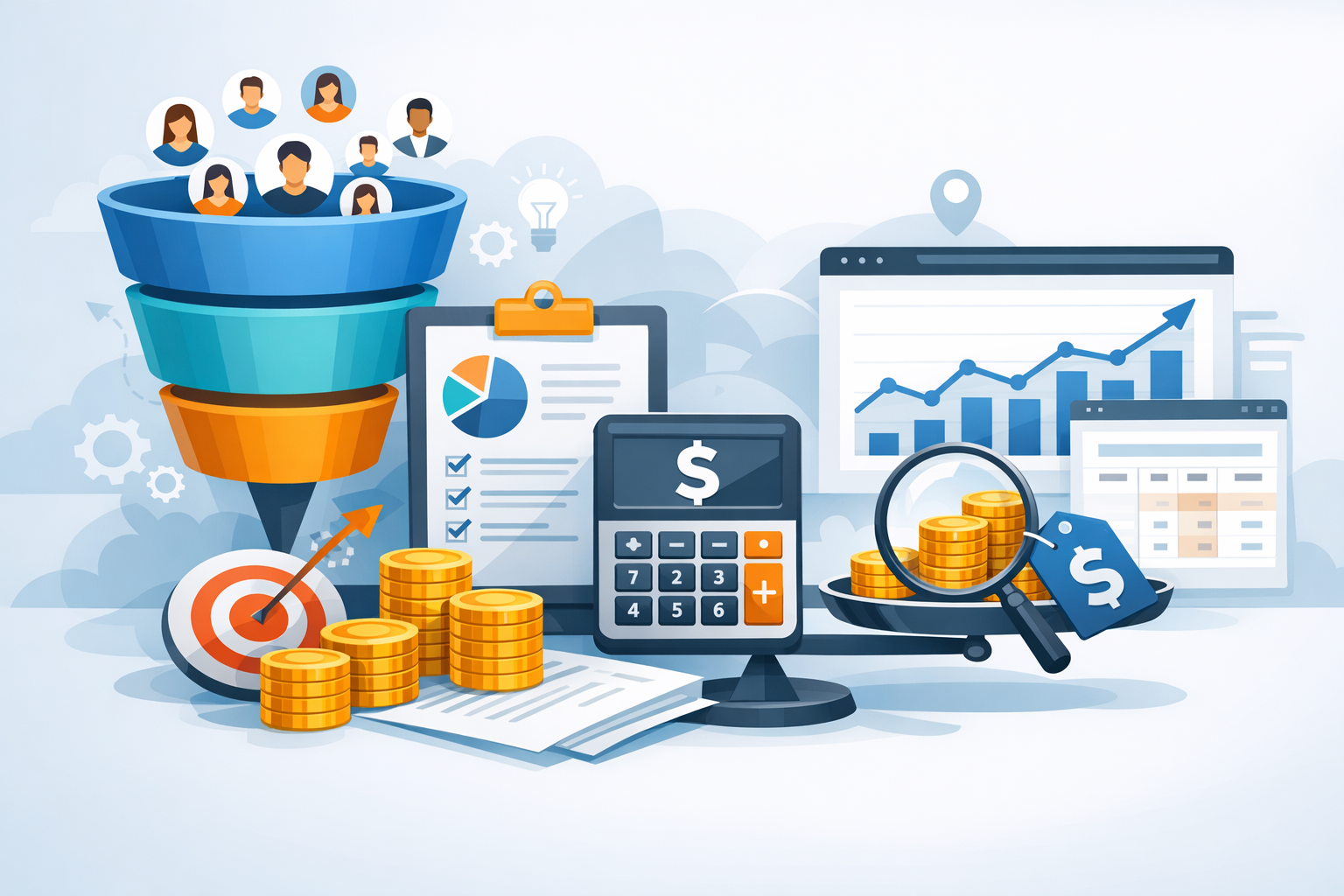
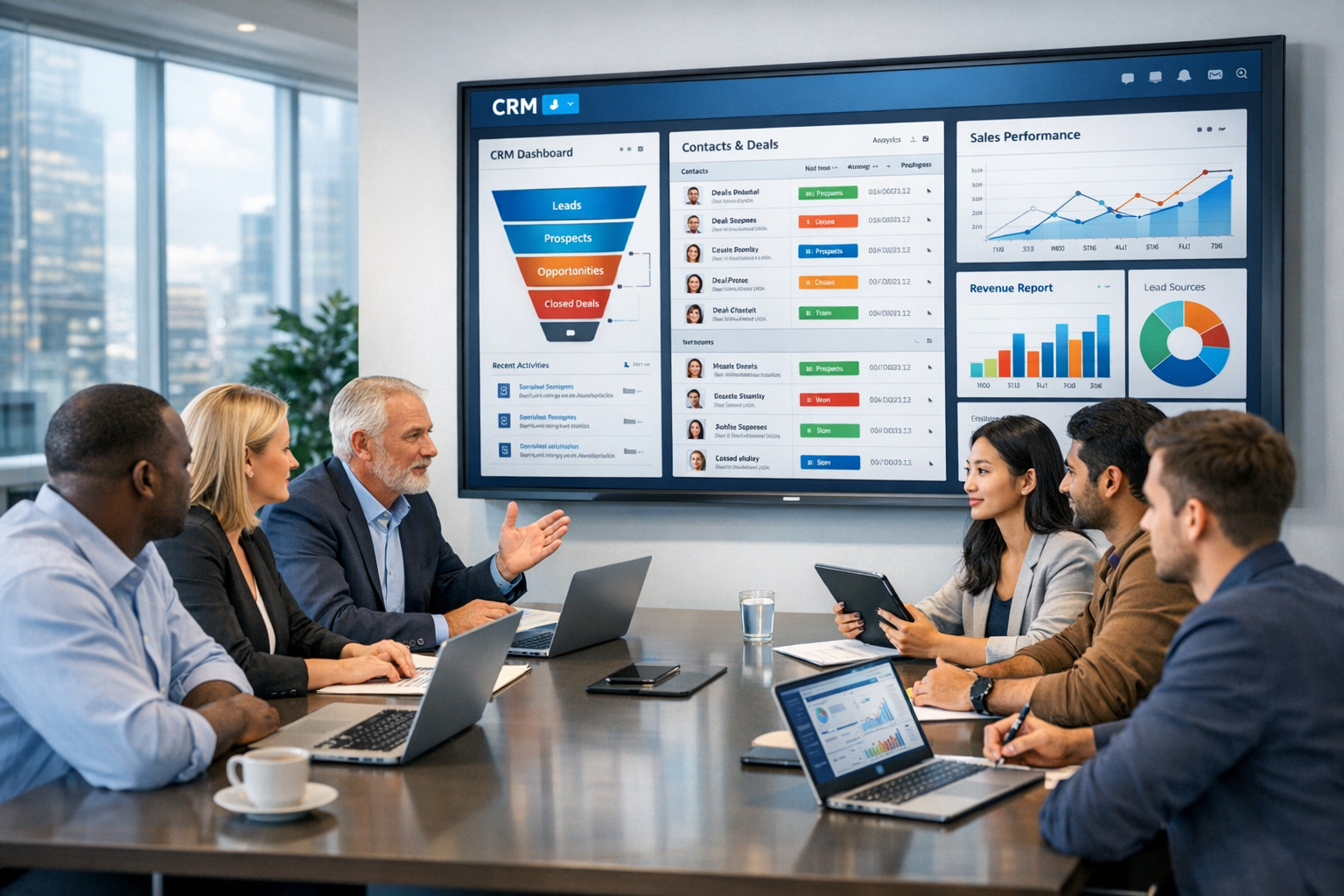
Building a sales pipeline is crucial for Indian SMBs aiming for efficient growth and sustainability. A sales pipeline is a visual representation of your sales process, tracking the overall journey from lead generation to closing the deal. In today's competitive market, having a well-structured sales pipeline can significantly enhance your sales team's productivity and increase conversion rates. In this step-by-step guide, we will explore how to build a sales pipeline for Indian SMBs, detailing actionable strategies that can be strengthened with HelloGrowthCRM's robust features.
Understanding the Sales Pipeline
The sales pipeline is not merely a linear journey; it encapsulates various stages where potential customers move from awareness to decision-making. For Indian SMBs, understanding these stages will allow for more strategic lead management and forecasting. Key actions can be integrated into each stage, allowing your team to optimize interactions, track performance, and drive conversions effectively.
Why a Sales Pipeline is Essential for Indian SMBs
- Visibility: Offers a clear view of where each prospect stands in the purchasing journey.
- Forecasting: Provides invaluable data for predicting revenue and sales performance.
- Efficiency: Enables sales teams to focus on high-priority leads and streamline their efforts.
- Performance tracking: Helps identify bottlenecks and areas for improvement in your sales process.
Step-by-Step Guide to Building a Sales Pipeline
Step 1: Define Your Sales Stages
To kick off the pipeline-building process, you must clearly define the various stages that represent your sales process. Common stages often include:
- Lead Generation: Attracting potential customers through various channels.
- Lead Qualification: Determining if a lead is a good fit for your product or service.
- Proposal: Offering a tailored solution to the qualified lead.
- Negotiation: Discussing terms and addressing any objections.
- Closing: Finalizing the deal and converting the lead into a customer.
Each business may define its stages differently based on its unique processes and customer interactions. If your business requires tailored management, the Managed RevOps can help identify the most effective approach.
Step 2: Leverage B2B Lead Generation Strategies
Once you have established your sales stages, it’s time to generate leads. Here are some effective B2B lead generation strategies that Indian SMBs can adopt:
- Content Marketing: Regularly publish informative and engaging blog posts or white papers tailored to your target audience.
- Networking Events: Participate in industry conferences or trade shows to connect with potential clients.
- Social Media Outreach: Use platforms like LinkedIn for targeted advertising and engagement.
- Webinars: Host educational sessions to showcase your expertise and invite attendees to convert into leads.
Using tools like AI Lead Scoring can help prioritize leads based on their engagement and readiness to convert.
Step 3: Qualify Your Leads
Not all leads will be a great fit. Lead qualification is the process of assessing whether a lead matches your ideal customer profile (ICP). Here are methods to qualify your leads effectively:
- BANT Method: Evaluate Budget, Authority, Need, and Timing for each lead.
- CHAMP Framework: Focus on Challenges, Authority, Money, and Prioritization.
- Customized Qualification: Utilize your CRM's (like HelloGrowthCRM) features to tailor your lead qualification criteria.
By ensuring your team focuses on leads that fit these key criteria, you can optimize your time and resources, resulting in a more effective sales pipeline.
Step 4: Create Engaging Proposals
Once you have qualified your leads, the next step is to craft compelling proposals. An effective proposal should:
- Address the specific needs and challenges of the lead.
- Highlight the unique selling points (USPs) of your solution.
- Include testimonials or case studies to reinforce credibility.
- Offer clear pricing and terms of service.
Utilizing Email Automation tools can help you send personalized follow-ups and reminders, continuing the engagement with leads post-proposal.
Step 5: Nurture Through Negotiation
The negotiation stage is where many leads may falter. Effective communication can often sway the outcome. Employ strategies such as:
- Active Listening: Understand the lead's concerns and tailor your responses accordingly.
- Flexibility: Be prepared to negotiate terms where possible to meet the lead's expectations.
- Closing Techniques: Use established techniques like the "Assumptive Close" or "Alternative Choice Close" strategies.
During this phase, it can be helpful to leverage data from your sales pipeline to show the positive outcomes other clients have experienced with your offering, reinforcing their decision.
Step 6: Close the Deal
Closing is the final hurdle, and it’s vital to ensure a smooth transition. Key activities to focus on include:
- Confirm agreement on all terms discussed.
- Utilize a CRM to automate the creation of contracts and agreements.
- Celebrate the new partnership; small gestures can lead to positive customer relations moving forward.
Leveraging HelloGrowthCRM's Sales Tools allows you to track deal status and set reminders so nothing slips through the cracks.
Step 7: Monitor and Optimize the Pipeline
Building a sales pipeline doesn't stop with closing deals; monitoring and optimizing is crucial. Here are ways to continuously improve your pipeline:
- Analyze Pipeline Data: Use analytics to identify stages where leads drop off.
- Seek Feedback: Reach out to your sales team for insights and suggestions.
- Adjust Processes: Don't hesitate to tweak stages or qualifications based on the data you collect.
With HelloGrowthCRM, you can generate detailed reports and insights that make this optimization process straightforward and data-driven.
Implementing HelloGrowthCRM for Effective Pipeline Management
As you build your sales pipeline, integrating HelloGrowthCRM can streamline this endeavor significantly. The platform provides:
- Automated Workflows: From lead capture to document handling, automate your entire process.
- Advanced Analytics: Dive deeper into metrics that matter and gain insights into your team's performance.
- Customizable Features: Adapt the pipeline stages according to your business needs.
By utilizing our Free Trial, you can see firsthand how HelloGrowthCRM transforms your workflow.
FAQs
What is a sales pipeline?
A sales pipeline is a visual representation of your sales process, tracking the journey from initial contact with a lead to the final sale.
Why is having a sales pipeline important for Indian SMBs?
A sales pipeline enhances visibility, improves forecasting, increases efficiency, and allows for effective performance tracking, which can drive higher conversion rates.
How often should I review my sales pipeline?
Regular reviews can help identify bottlenecks or areas for improvement. Monthly or quarterly reviews are common practices among organizations.
Can HelloGrowthCRM help with sales forecasting?
Yes, HelloGrowthCRM offers extensive tools for Sales Forecasting, allowing you to predict future sales with accuracy.
What resources are available for lead generation?
Indian SMBs can leverage various strategies for lead generation, including content marketing, social media outreach, and networking events.
In summary, building a sales pipeline for Indian SMBs involves a systematic approach from defining stages to continuous optimization. Integrating HelloGrowthCRM into your strategy can streamline your processes, enhance efficiency, and ultimately lead to more successful sales. Ready to transform your sales process? Try HelloGrowthCRM today.
Implementation Checklist for How to Build a Sales Pipeline for Indian SMBs — Step-by-Step Guide
Teams researching how to build a sales pipeline for indian smbs step by step guide usually need more than a high-level definition. They need a repeatable process, clear ownership, and a way to connect day-to-day execution back to pipeline quality and revenue outcomes. That is why the most useful version of this topic is practical: it should help a team decide what to standardize, what to automate, and what to measure first.
Start by deciding where how to build a sales pipeline for indian smbs step by step guide fits in the revenue workflow. For some teams it belongs near lead qualification, because better prioritization affects who gets attention first. For others it belongs in pipeline management, because the real problem is inconsistent stage movement, poor follow-up discipline, or weak forecast confidence. The exact placement matters because it determines which records, fields, and manager reviews should change after the process is introduced.
Step-by-step rollout model
- Define the business outcome the team wants from how to build a sales pipeline for indian smbs step by step guide. That could be faster speed-to-lead, better conversion from demo to opportunity, cleaner qualification, or fewer stalled deals.
- Identify which team owns the process day to day. A workflow with no owner usually becomes a dashboard topic instead of an execution habit.
- Decide which fields or signals are required. Keep the list narrow enough that reps can maintain it without turning the CRM into admin overhead.
- Add automations only after the workflow is clear. Good automation reduces repetitive work, but bad automation hides process problems and makes reporting less trustworthy.
- Review performance weekly. Teams improve faster when they inspect real records, not just summary charts.
What strong teams usually standardize
- A clear definition of when a lead, account, or deal qualifies for the next step
- Required fields that support follow-up, segmentation, and reporting
- Ownership rules for handoffs, reminders, and stage progression
- Manager review checkpoints for aging, conversion, and execution quality
- An escalation path for records that are blocked, stale, or missing context
Metrics to watch after rollout
When a team implements how to build a sales pipeline for indian smbs step by step guide well, performance should change in ways that are visible. Look at conversion rate between stages, response time, meeting creation, pipeline age, follow-up completion, and forecast confidence. If those numbers do not move after implementation, the process may be too theoretical, too hard to use, or not connected tightly enough to how reps actually work inside the CRM.
It is also useful to separate activity metrics from quality metrics. A team can appear busy while still failing to improve outcomes. Measuring both helps leadership understand whether how to build a sales pipeline for indian smbs step by step guide is increasing output only, or improving the quality of decisions and follow-through as well.
How HelloGrowthCRM supports this workflow
HelloGrowthCRM is most effective when the team uses it as an operating system rather than a contact database. The platform helps centralize lead records, activity history, communication, automation triggers, reporting, and follow-up actions in one place. That matters for how to build a sales pipeline for indian smbs step by step guide because it reduces the gap between strategy and execution. Reps can see the context, managers can inspect progress, and leaders can connect the process back to revenue performance.
For example, a team may start with a simple scoring or qualification framework, then connect it to follow-up tasks, reporting views, internal alerts, and manager dashboards. Another team may apply the same principle to messaging, meeting scheduling, outbound sequencing, or account prioritization. In each case, the system works best when the workflow is inspectable and the next step is obvious.
Common mistakes that reduce content quality and execution quality
One common mistake is treating how to build a sales pipeline for indian smbs step by step guide as a one-time setup instead of an ongoing operating discipline. Teams launch the framework, create a dashboard, and assume the problem is solved. In reality, the process needs feedback loops. Inputs drift, rep behavior changes, and the market evolves. Without review, even a good workflow loses accuracy.
Another mistake is overcomplicating the first version. Teams sometimes try to capture too many fields, too many exceptions, or too many automations before the basic operating model is stable. That creates resistance and lowers adoption. A better approach is to launch the smallest version that still produces measurable decisions, then add sophistication after the team trusts the workflow.
Practical FAQ extension
How long should a team give this process before judging results?
Most teams need a few weeks of consistent use before they can evaluate whether how to build a sales pipeline for indian smbs step by step guide is improving execution. The exact timing depends on deal cycle length and lead volume, but a workflow should usually be reviewed across multiple reporting intervals before large conclusions are drawn.
Does how to build a sales pipeline for indian smbs step by step guide matter only for large sales teams?
No. Smaller teams often benefit even more because a clear workflow prevents follow-up gaps and makes performance easier to inspect without adding management layers. The key is to keep the process proportional to team size.
What is the best first improvement to make?
Usually the best first improvement is clarity. Define the next step, the owner, and the required information. Once those are stable, automation and reporting become much more valuable.
Final execution notes for How to Build a Sales Pipeline for Indian SMBs — Step-by-Step Guide
how to build a sales pipeline for indian smbs step by step guide becomes commercially valuable when it helps a team move faster with more confidence, not when it just adds vocabulary. The teams that get the best results usually connect workflow design, data hygiene, automation, and manager inspection into one rhythm. That is the lens readers should use when evaluating any approach connected to HelloGrowthCRM.
Frequently Asked Questions
Ready to put this into practice?
Set up your pipeline, WhatsApp follow-ups, and AI lead scoring in minutes — free, no credit card.
Try HelloGrowthCRM freeGet CRM tips in your inbox
Join thousands of sales professionals who get weekly insights on CRM strategy, AI automation, and pipeline optimization.

The HelloGrowthCRM team publishes guides on CRM strategy, AI sales tools, and revenue operations for small business sales teams.