HelloGrowthCRM software
Built for real small-business sales teams
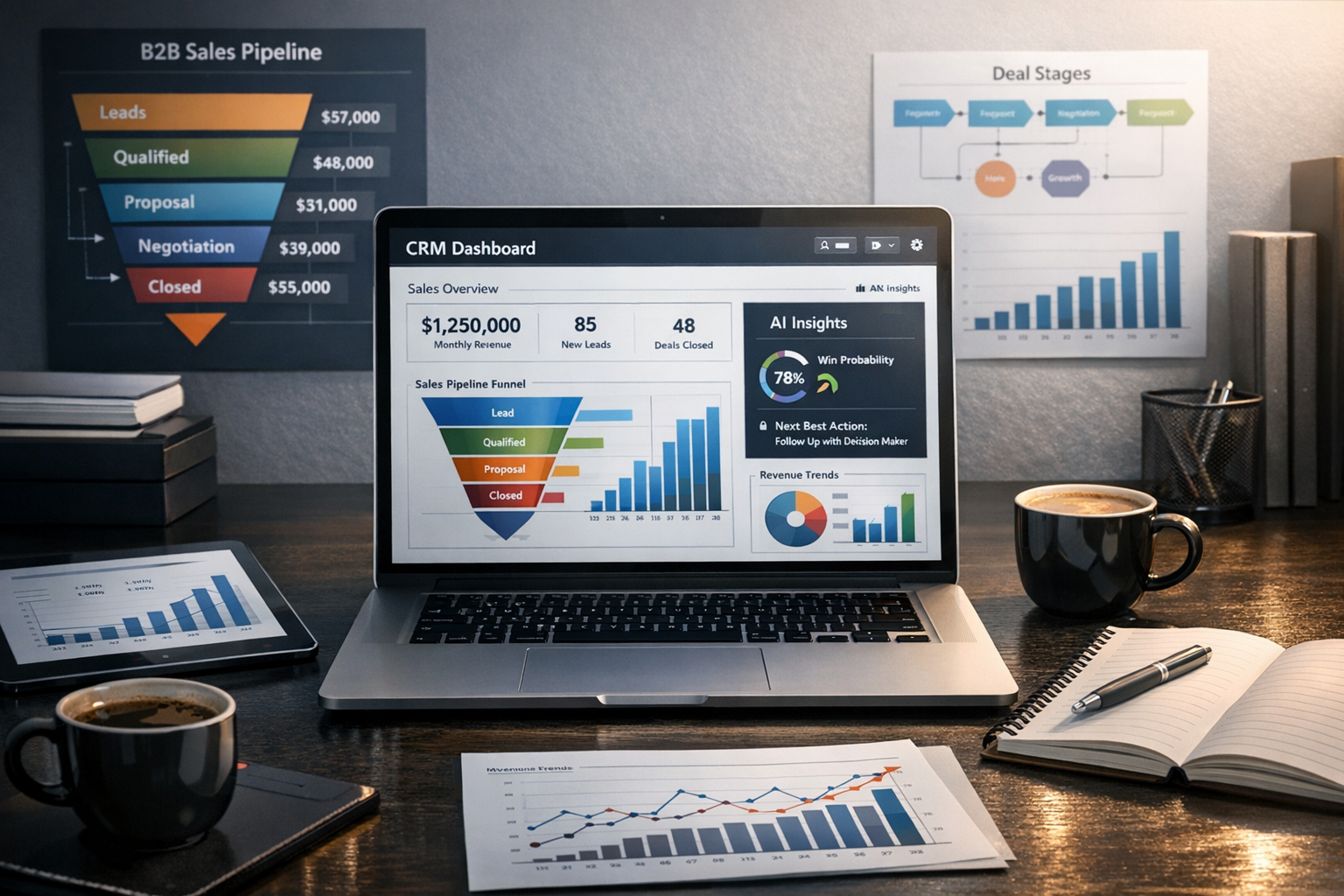
HelloGrowthCRM helps reps qualify faster, follow up on time, and close more deals—with practical automation in one place.
- AI lead scoring and pipeline visibility
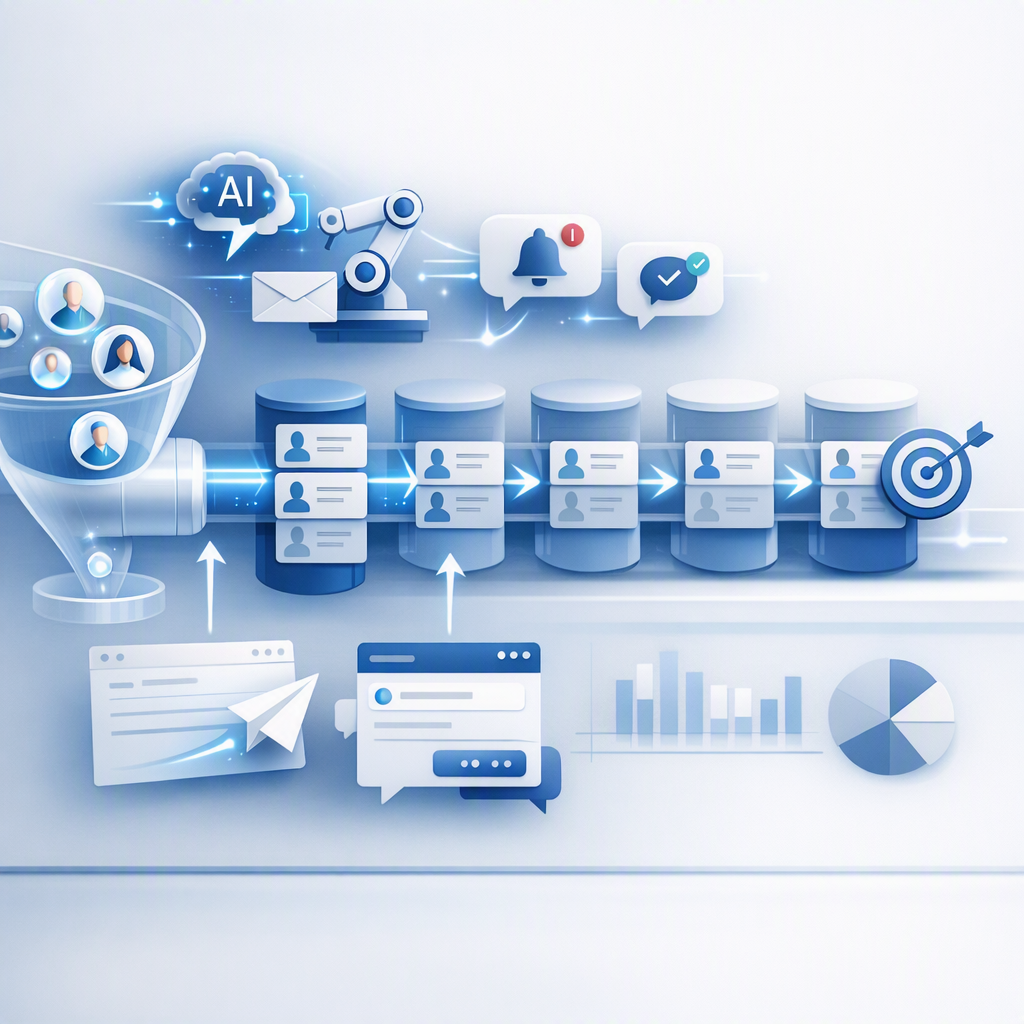
- Built-in dialer, WhatsApp, and email automation
- Sales forecasting and RevOps-ready reporting
The Evolution of Lead Scoring
Lead scoring has come a long way from its early days of simple point systems. Initially, teams used basic rules to assign points to leads based on their actions and characteristics. For example, a lead might receive points for visiting a website or filling out a contact form. This manual approach had its limitations, as it relied heavily on subjective judgment and could be time-consuming. Over time, businesses began to recognize the need for more efficient and accurate methods to evaluate leads.
Today, the landscape of lead scoring includes advanced techniques driven by artificial intelligence. AI lead scoring automates the process, using algorithms to analyze vast amounts of data and predict which leads are most likely to convert. This shift not only improves the accuracy of lead scoring but also enhances the overall efficiency of sales teams. By understanding the differences between AI and manual lead scoring, businesses can make informed decisions about which approach best suits their needs.
Understanding Manual Lead Scoring
Manual lead scoring involves a straightforward process where sales teams assign scores based on predefined criteria. These criteria often include demographic information, engagement levels, and specific actions taken by leads. The process typically involves the following steps:
- Define scoring criteria based on business goals.
- Assign point values to each criterion.
- Regularly review and adjust the scoring system as needed.
While manual lead scoring allows for customization, it also has significant drawbacks. The reliance on human judgment can lead to inconsistencies and biases in scoring. Additionally, as the number of leads grows, maintaining an effective manual scoring system becomes increasingly challenging. Sales teams may find themselves overwhelmed, leading to missed opportunities and inefficient use of resources.
The Advantages of AI Lead Scoring
AI lead scoring offers several advantages over manual methods. One of the primary benefits is the ability to analyze large datasets quickly and accurately. AI algorithms can process information from various sources, such as social media interactions, website visits, and email engagement. This comprehensive analysis allows for more precise predictions regarding lead conversion.
Another significant advantage is the ability to learn and adapt over time. AI systems improve their scoring accuracy as they process more data, identifying patterns and trends that may not be immediately apparent to human analysts. This continuous learning process results in a more dynamic scoring system that evolves with changing market conditions and customer behaviors.
Additionally, AI lead scoring can help sales teams prioritize their efforts more effectively. By focusing on the leads most likely to convert, teams can allocate their resources more efficiently. This targeted approach can lead to higher conversion rates and ultimately drive revenue growth.
Key Differences Between AI and Manual Lead Scoring
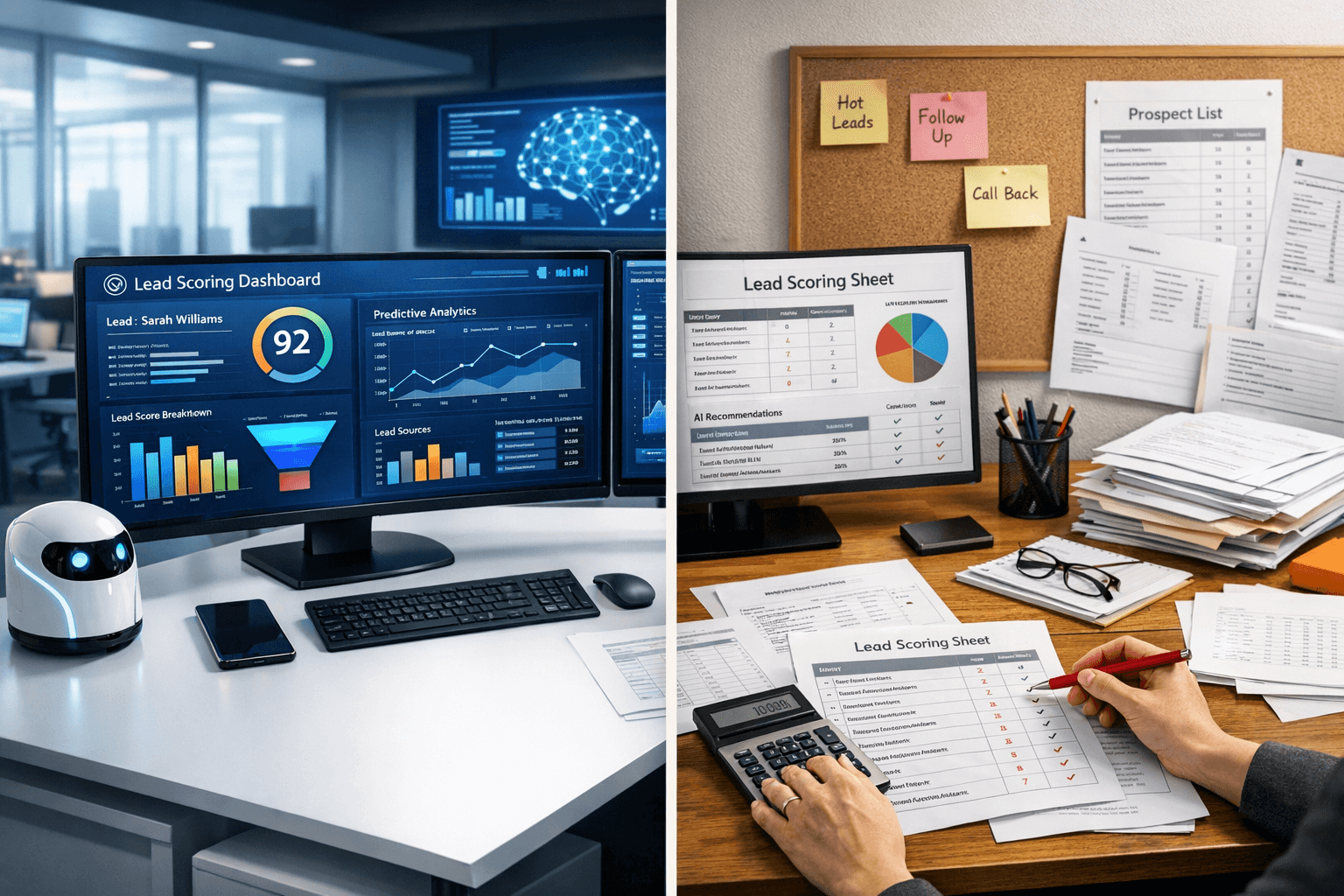
When comparing AI lead scoring to manual lead scoring, several key differences emerge. Understanding these differences can help businesses choose the right approach for their sales processes.
- Speed: AI lead scoring processes data much faster than manual methods, allowing for real-time updates and adjustments.
- Accuracy: AI systems reduce human bias and errors, leading to more accurate predictions about lead conversion.
- Scalability: AI lead scoring can easily adapt to increasing volumes of leads, while manual systems may struggle to keep up.
- Customization: Manual scoring allows for tailored scoring systems, but AI can analyze more variables without needing extensive customization.
These differences highlight the strengths and weaknesses of each approach. While manual lead scoring may still have a place in certain scenarios, the advantages of AI make it a compelling option for many businesses.
Implementing AI Lead Scoring
Transitioning to AI lead scoring requires careful planning and execution. Businesses should start by assessing their current lead scoring processes and identifying areas for improvement. The following steps can help facilitate a smooth transition:
- Evaluate existing data sources and ensure they are clean and organized.
- Choose an AI solution that aligns with business needs and goals.
- Train sales teams on how to interpret AI-generated scores and integrate them into their workflows.
It's essential to monitor the implementation process and make adjustments as necessary. Regularly reviewing the effectiveness of AI lead scoring will help ensure that it continues to meet the evolving needs of the business.
Challenges of AI Lead Scoring
While AI lead scoring presents numerous benefits, it is not without challenges. One of the primary concerns is data quality. AI systems rely on accurate and relevant data to generate effective scores. If the data is flawed, the predictions will also be unreliable. Businesses must invest time and resources into maintaining high-quality data.
Another challenge is the potential for over-reliance on technology. Sales teams may become too dependent on AI-generated scores and neglect their instincts and experiences. It's crucial to strike a balance between using AI insights and maintaining a human touch in the sales process.
Finally, integrating AI lead scoring into existing systems can be complex. Businesses may face technical challenges during implementation, requiring collaboration between IT and sales teams. Ensuring that all stakeholders are on board with the transition is vital for success.
Conclusion
AI lead scoring and manual lead scoring each have their unique strengths and weaknesses. Manual scoring offers customization and human judgment, while AI lead scoring provides speed, accuracy, and scalability. Businesses must carefully consider their specific needs and resources when deciding which approach to adopt.
As lead generation continues to evolve, embracing AI lead scoring may provide a competitive advantage. By leveraging advanced technology, businesses can enhance their lead prioritization efforts, ultimately leading to increased efficiency and sales success. The future of lead scoring is here, and those who adapt will be better positioned to thrive in a dynamic marketplace.
Frequently Asked Questions
What are the main benefits of AI lead scoring?
AI lead scoring offers speed, accuracy, and scalability, allowing for real-time updates and more precise predictions.
What challenges do businesses face when implementing AI lead scoring?
Challenges include ensuring data quality, avoiding over-reliance on technology, and integrating AI systems with existing processes.
Ready to put this into practice?
Set up your pipeline, WhatsApp follow-ups, and AI lead scoring in minutes — free, no credit card.
Try HelloGrowthCRM freeGet CRM tips in your inbox
Join thousands of sales professionals who get weekly insights on CRM strategy, AI automation, and pipeline optimization.

The HelloGrowthCRM team publishes guides on CRM strategy, AI sales tools, and revenue operations for small business sales teams.