HelloGrowthCRM software
Built for real small-business sales teams
HelloGrowthCRM helps reps qualify faster, follow up on time, and close more deals—with practical automation in one place.
- AI lead scoring and pipeline visibility
- Built-in dialer, WhatsApp, and email automation
- Sales forecasting and RevOps-ready reporting
Unlocking Managed RevOps for CRM Success
Understanding Managed RevOps
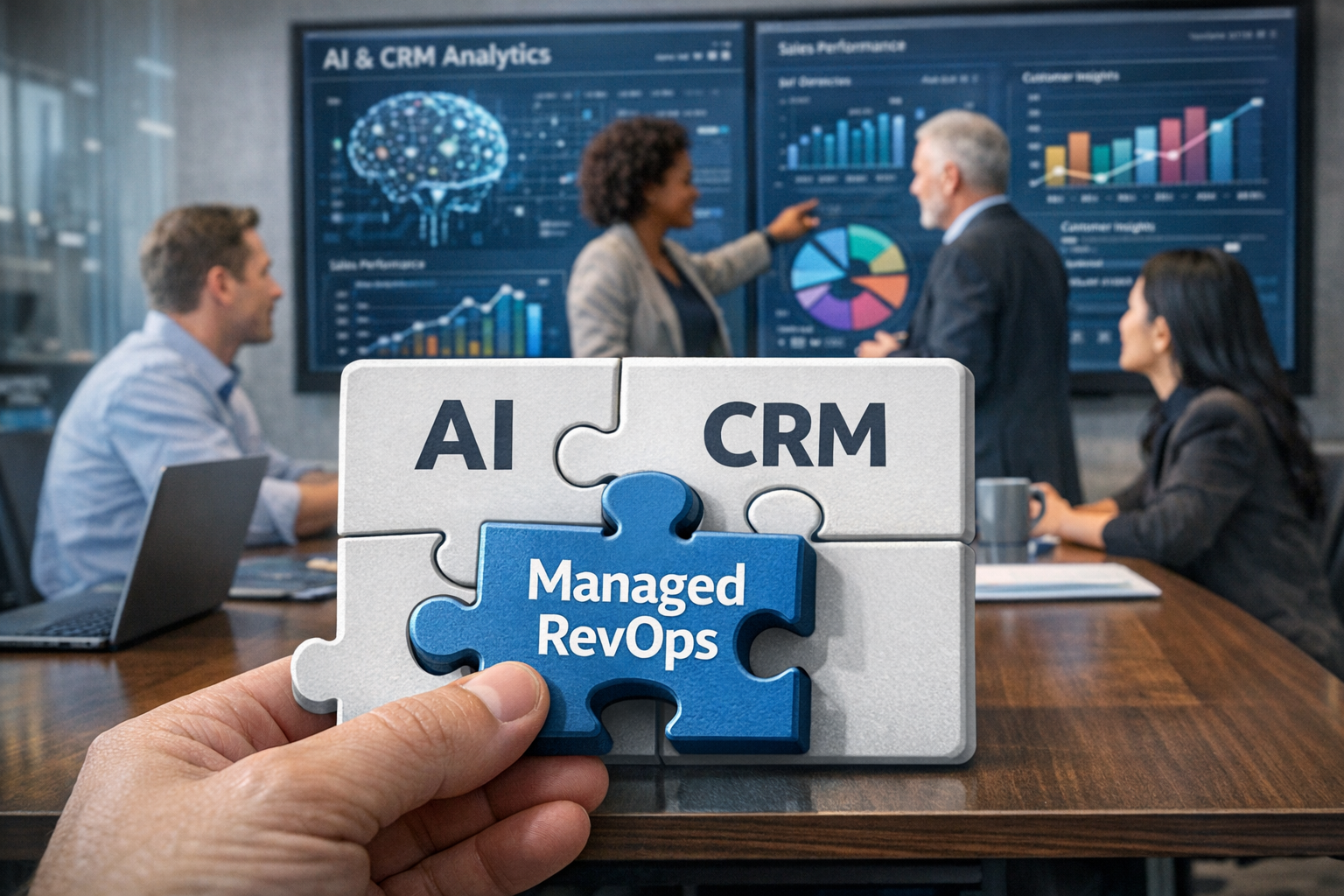
Managed RevOps, or Managed Revenue Operations, focuses on outsourcing revenue management tasks. This strategy aligns marketing, sales, and customer success teams. The goal is to create a united approach that boosts revenue growth.
When departments work together, operations become smoother. Collaboration improves, and customer experiences also enhance. By integrating these teams, businesses can track progress easily. They can also measure success more effectively.
To make Managed RevOps work, you need to understand each department's role in revenue generation. Here’s a quick overview:
- Marketing: Generates leads through various channels.
- Sales: Converts leads into paying customers.
- Customer Success: Ensures customers are satisfied and engaged.
When these functions collaborate, businesses can spot growth opportunities. They can also respond quickly to challenges.
Benefits of Managed RevOps
Managed RevOps offers several benefits. These advantages can significantly impact your CRM strategy. Here are some key benefits:
- Streamlined Processes: Reduces delays and improves efficiency.
- Improved Collaboration: Fosters teamwork across departments.
- Better Data Management: Ensures accurate data for decision-making.
- Enhanced Customer Experiences: Provides consistent service across touchpoints.
- Increased Revenue Growth: Aligns efforts to maximize revenue potential.
These benefits create a solid foundation for your CRM success.
Key Components of Managed RevOps
To implement Managed RevOps effectively, focus on these key components:
- Data Integration: Combine data from all departments for a complete view.
- Clear Communication: Establish open lines of communication between teams.
- Defined Roles: Ensure everyone knows their responsibilities.
- Performance Metrics: Track key performance indicators (KPIs) to measure success.
- Continuous Improvement: Regularly review processes and make necessary changes.
These components help create a cohesive strategy that drives results.
Implementing Managed RevOps in Your Business
Implementing Managed RevOps requires a strategic approach. Start by assessing your current operations. Identify areas for improvement and set clear goals.
Next, consider outsourcing your RevOps functions. This allows you to focus on core business activities. Look for a provider that understands your industry and has a proven track record.
Once you choose a provider, work together to create a plan. This plan should outline how to integrate operations and define success metrics. Regularly review progress and adjust as needed.
Tools to Support Managed RevOps
Using the right tools can enhance your Managed RevOps efforts. Here are some essential tools to consider:
- CRM Software: Centralizes customer data and interactions.
- Email Automation: Streamlines communication with leads and customers.
- Sales Forecasting: Helps predict future sales performance.
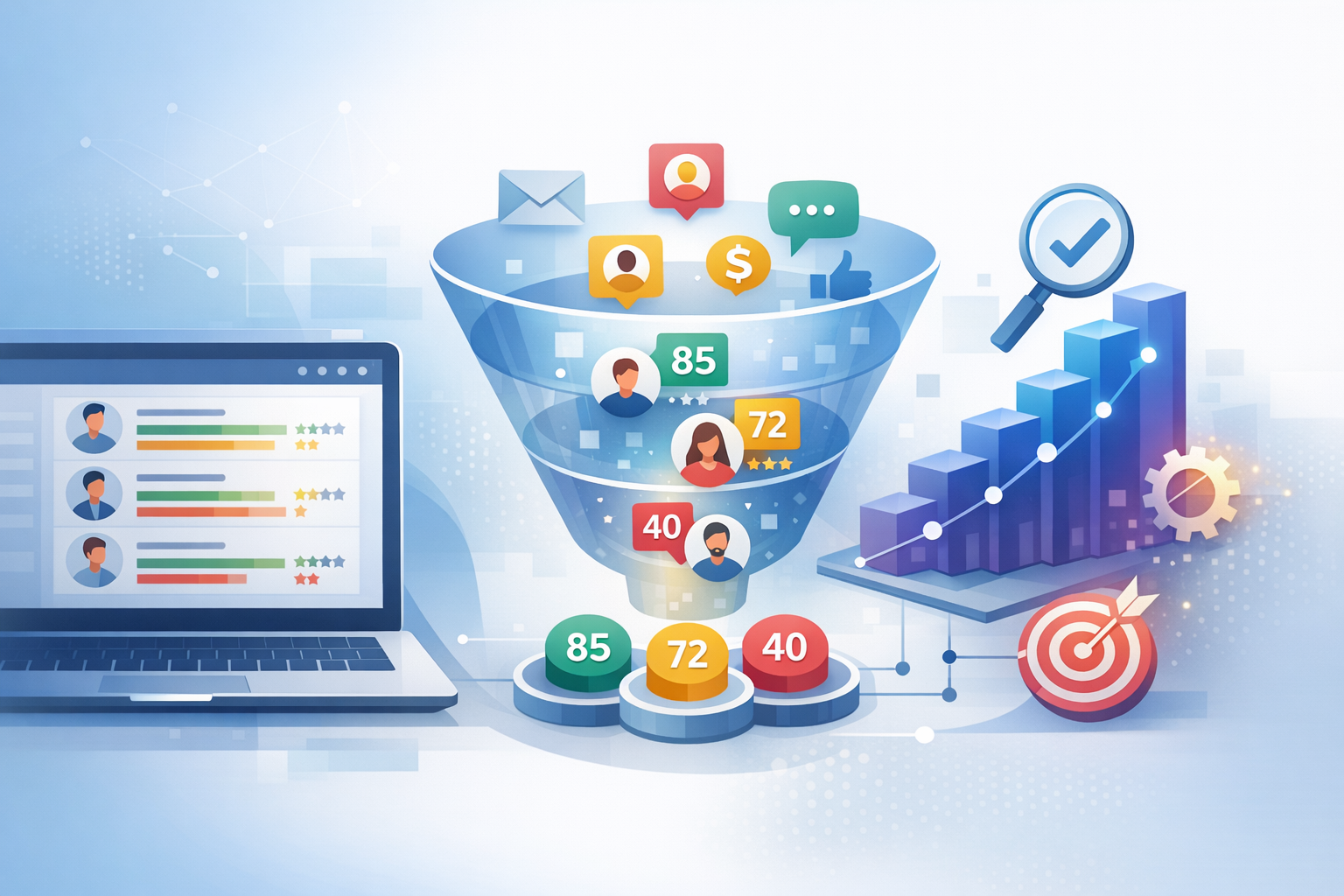
- AI Lead Scoring: Prioritizes leads based on their likelihood to convert.
- Collaboration Tools: Facilitates communication and project management.
These tools can make your RevOps processes more efficient and effective.
Measuring Success with Managed RevOps
To determine the success of your Managed RevOps, track key metrics. Here are some important metrics to consider:
- Lead Conversion Rate: Measures how many leads become customers.
- Customer Satisfaction Score: Assesses customer happiness and engagement.
- Revenue Growth: Tracks overall revenue increases over time.
- Churn Rate: Measures the percentage of customers who leave.
- Sales Cycle Length: Evaluates how long it takes to close deals.
By monitoring these metrics, you can gauge the effectiveness of your Managed RevOps strategy.
Common Challenges in Managed RevOps
While Managed RevOps has many benefits, it also comes with challenges. Here are some common issues businesses face:
- Resistance to Change: Employees may resist new processes.
- Data Silos: Departments may struggle to share information.
- Misaligned Goals: Teams may have different objectives.
- Lack of Training: Employees may need more training on new tools.
- Inconsistent Communication: Poor communication can lead to misunderstandings.
Addressing these challenges is crucial for success.
Overcoming Challenges in Managed RevOps
To overcome challenges in Managed RevOps, consider these strategies:
- Provide Training: Ensure all employees understand new processes and tools.
- Encourage Collaboration: Foster a culture of teamwork across departments.
- Align Goals: Set shared objectives that all teams work toward.
- Regular Communication: Hold regular meetings to discuss progress and issues.
- Use Technology: Implement tools that facilitate data sharing and communication.
By addressing these challenges, you can improve your Managed RevOps strategy.
Future of Managed RevOps
The future of Managed RevOps looks promising. As technology advances, businesses will find new ways to optimize their operations. Here are some trends to watch:
- Increased Automation: More tasks will be automated, saving time and resources.
- AI Integration: Artificial intelligence will enhance data analysis and decision-making.
- Enhanced Personalization: Companies will use data to create personalized customer experiences.
- Focus on Customer Experience: Businesses will prioritize customer satisfaction in all operations.
Staying ahead of these trends will help your business thrive in a competitive market.
FAQ
What is Managed RevOps?
Managed RevOps involves outsourcing revenue management tasks to align marketing, sales, and customer success.
How can Managed RevOps improve my CRM strategy?
It streamlines operations, enhances collaboration, and improves customer experiences, leading to revenue growth.
What tools do I need for Managed RevOps?
You need CRM software, email automation, sales forecasting, AI lead scoring, and collaboration tools.
How can I measure the success of Managed RevOps?
Track metrics like lead conversion rate, customer satisfaction score, revenue growth, churn rate, and sales cycle length.
What challenges might I face with Managed RevOps?
Common challenges include resistance to change, data silos, misaligned goals, lack of training, and inconsistent communication.
Conclusion
Managed RevOps can transform your CRM strategy. By aligning your marketing, sales, and customer success efforts, you can drive business growth.
Ready to improve your CRM with Managed RevOps? Try HelloGrowthCRM today! Explore our Features and see how we can help your business succeed. Sign up for a Free Trial or request a Demo to get started!
Ready to put this into practice?
Set up your pipeline, WhatsApp follow-ups, and AI lead scoring in minutes — free, no credit card.
Try HelloGrowthCRM freeGet CRM tips in your inbox
Join thousands of sales professionals who get weekly insights on CRM strategy, AI automation, and pipeline optimization.

The HelloGrowthCRM team publishes guides on CRM strategy, AI sales tools, and revenue operations for small business sales teams.