HelloGrowthCRM software
Built for real small-business sales teams
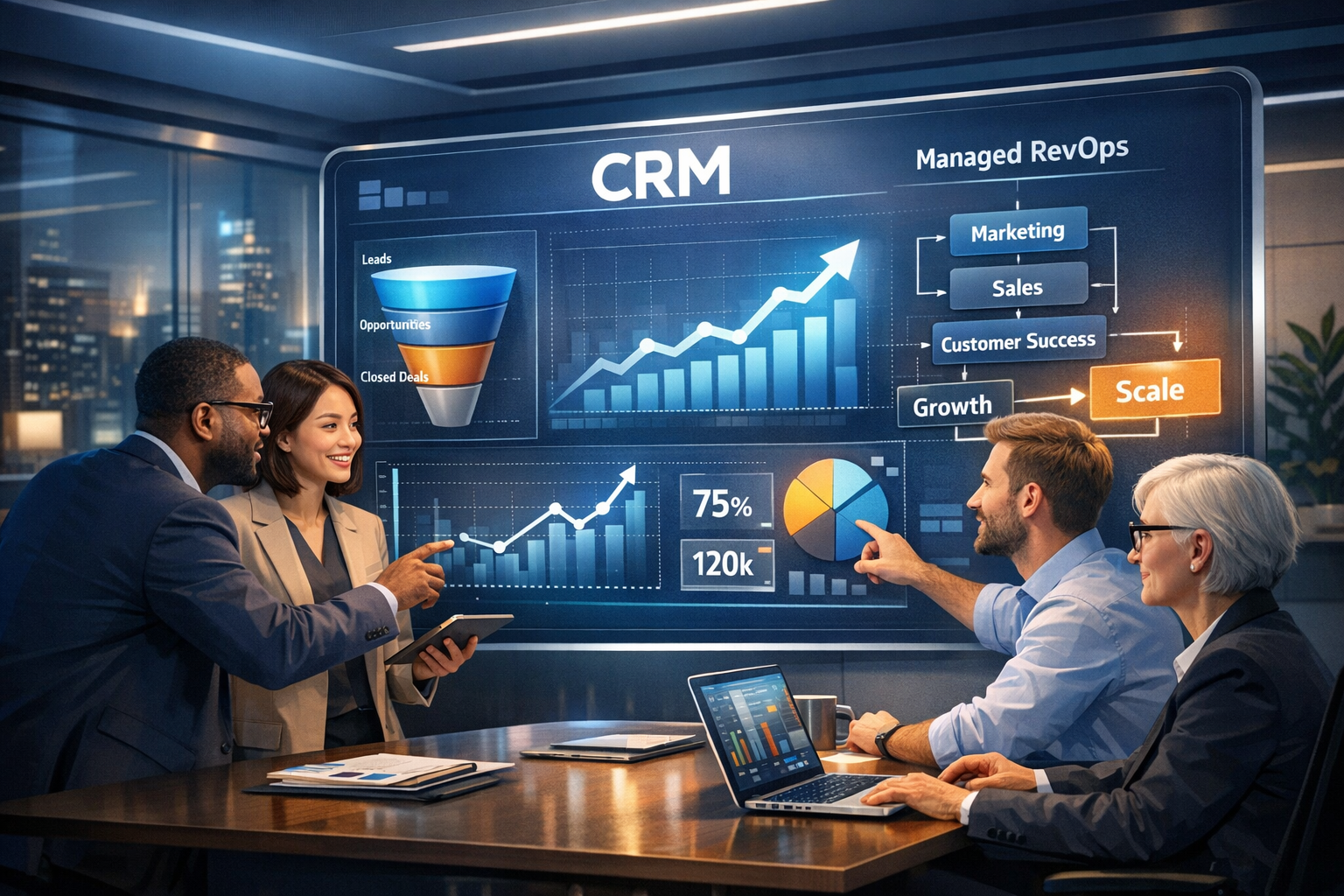
HelloGrowthCRM helps reps qualify faster, follow up on time, and close more deals—with practical automation in one place.
- AI lead scoring and pipeline visibility
- Built-in dialer, WhatsApp, and email automation
- Sales forecasting and RevOps-ready reporting
Understanding the right sales key performance indicators (KPIs) is crucial for any organization aiming to enhance revenue and improve overall performance. As we approach 2026, it becomes increasingly important to focus on metrics that can genuinely drive growth. Tracking the right KPIs allows sales teams to identify strengths and weaknesses in their approach. This article will explore essential sales KPIs that can help businesses optimize their strategies and boost performance in the coming years.
Sales Growth Rate
One of the most fundamental KPIs to monitor is the sales growth rate. This metric measures the increase in sales over a specific period, showing how well a company is expanding its revenue. A positive growth rate indicates that the sales strategies are effective, while a stagnant or negative rate may signal the need for adjustments. To calculate the sales growth rate, you can use the formula:
- Current Period Sales - Previous Period Sales / Previous Period Sales x 100
Tracking this KPI regularly can help organizations set realistic sales targets and evaluate the effectiveness of their sales strategies. It also provides insights into market trends and customer preferences, allowing businesses to adapt accordingly.
Customer Acquisition Cost (CAC)
Customer acquisition cost is another vital KPI that businesses should keep an eye on. This metric calculates the total cost associated with acquiring a new customer, including marketing expenses, sales team salaries, and other related costs. Understanding CAC helps organizations assess the efficiency of their marketing and sales efforts.
- To calculate CAC, use the formula: Total Marketing and Sales Expenses / Number of New Customers Acquired
Keeping CAC low while maintaining a healthy growth rate is essential for profitability. A high CAC may indicate that the sales process needs improvement or that marketing strategies are not effectively reaching the target audience.
Sales Conversion Rate
The sales conversion rate measures the percentage of leads that turn into paying customers. This KPI is crucial for understanding how effectively the sales team is converting prospects into sales. A high conversion rate often signifies that the sales team is engaging effectively with potential customers and addressing their needs.
- To calculate the sales conversion rate, use the formula: Number of Sales / Number of Leads x 100
Monitoring this metric can help organizations identify areas for improvement in their sales process. If the conversion rate is low, it may be necessary to refine sales pitches, enhance product knowledge, or provide better training for the sales team.
Average Deal Size
Average deal size is another essential KPI that provides insight into the value of each sale. This metric helps organizations understand their revenue potential and set appropriate sales targets. By tracking the average deal size, businesses can identify trends in customer purchasing behavior and adjust their sales strategies accordingly.
- To calculate average deal size, use the formula: Total Revenue from Sales / Number of Deals Closed
A growing average deal size can signify that the sales team is successfully upselling or cross-selling products. Conversely, a declining average deal size may indicate that the team needs to focus on higher-value opportunities or improve their sales techniques.
Sales Pipeline Health
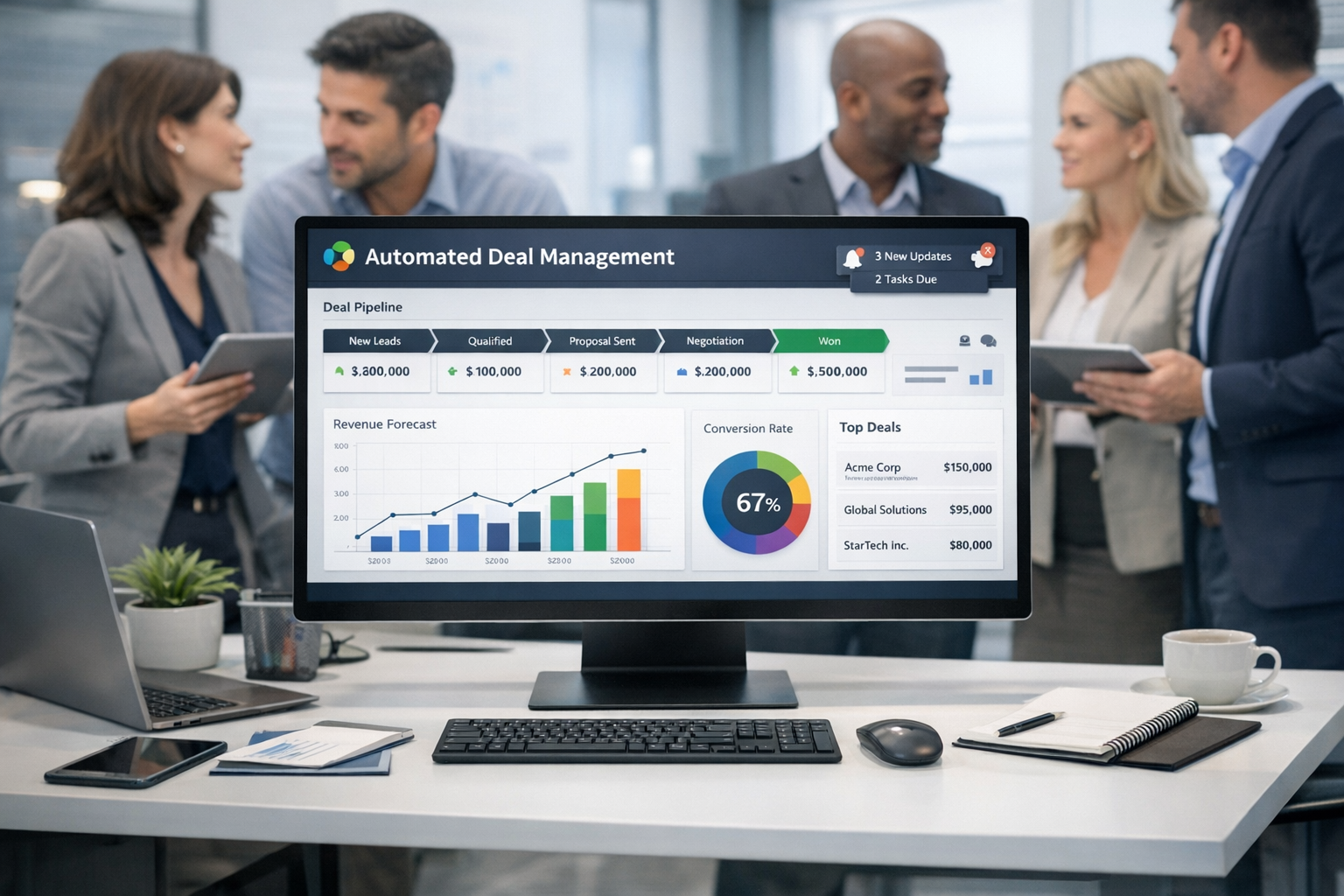
The health of the sales pipeline is a critical KPI that provides a snapshot of potential future revenue. It reflects the number of deals at various stages of the sales process, helping organizations understand their chances of closing sales in the near future. A healthy pipeline indicates that the sales team is consistently generating leads and moving them through the sales funnel.
- To assess pipeline health, consider the following factors:
- Number of leads in each stage of the sales process
- Average time leads spend in each stage
- Historical conversion rates for each stage
Regularly evaluating pipeline health can help sales teams identify bottlenecks and make necessary adjustments to their strategies. This insight allows organizations to forecast revenue more accurately and plan for future growth.
Customer Retention Rate
Customer retention rate is a crucial KPI that measures the percentage of customers who continue to do business with a company over a specific period. High retention rates often indicate customer satisfaction and loyalty, which are essential for long-term business success. Focusing on retention can be more cost-effective than acquiring new customers, making this metric particularly important.
- To calculate the customer retention rate, use the formula: (Customers at End of Period - New Customers) / Customers at Start of Period x 100
Tracking this KPI helps organizations understand the effectiveness of their customer service and support efforts. If retention rates are low, it may be necessary to enhance customer engagement strategies or address any issues that may be causing dissatisfaction.
Conclusion
As we move toward 2026, understanding and tracking essential sales KPIs will be vital for organizations aiming to boost performance and drive revenue growth. By focusing on metrics such as sales growth rate, customer acquisition cost, sales conversion rate, average deal size, sales pipeline health, and customer retention rate, businesses can gain valuable insights into their sales processes. Regularly monitoring these KPIs will enable sales teams to identify areas for improvement and make informed decisions that lead to long-term success.
Frequently Asked Questions
What are the key sales KPIs to track in 2026?
Key sales KPIs include sales growth rate, customer acquisition cost, sales conversion rate, average deal size, sales pipeline health, and customer retention rate.
Why is customer retention rate important?
Customer retention rate is important as it measures customer loyalty and satisfaction, which are crucial for long-term business success.
Ready to put this into practice?
Set up your pipeline, WhatsApp follow-ups, and AI lead scoring in minutes — free, no credit card.
Try HelloGrowthCRM freeGet CRM tips in your inbox
Join thousands of sales professionals who get weekly insights on CRM strategy, AI automation, and pipeline optimization.

The HelloGrowthCRM team publishes guides on CRM strategy, AI sales tools, and revenue operations for small business sales teams.