HelloGrowthCRM software
Built for real small-business sales teams
HelloGrowthCRM helps reps qualify faster, follow up on time, and close more deals—with practical automation in one place.
- AI lead scoring and pipeline visibility
- Built-in dialer, WhatsApp, and email automation
- Sales forecasting and RevOps-ready reporting
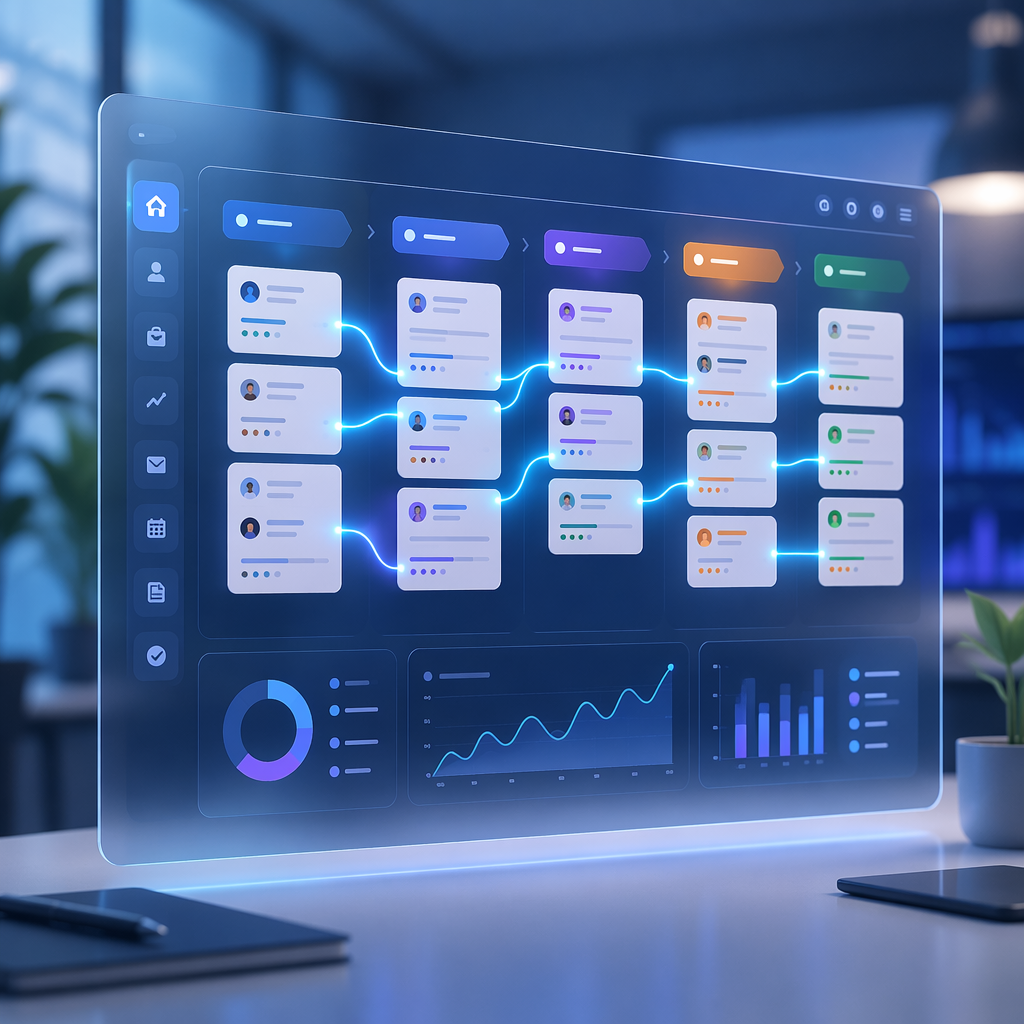
Understanding the sales pipeline is crucial for any sales leader, RevOps professional, or small business owner aiming to streamline their sales process. A sales pipeline represents the journey a prospect takes from the moment they express interest in your product or service to the point of closing the deal. Each stage of the pipeline is an opportunity to nurture the relationship, address concerns, and ultimately guide the prospect towards making a purchase decision. By grasping the nuances of each stage, you can enhance your sales strategy and increase your conversion rates.
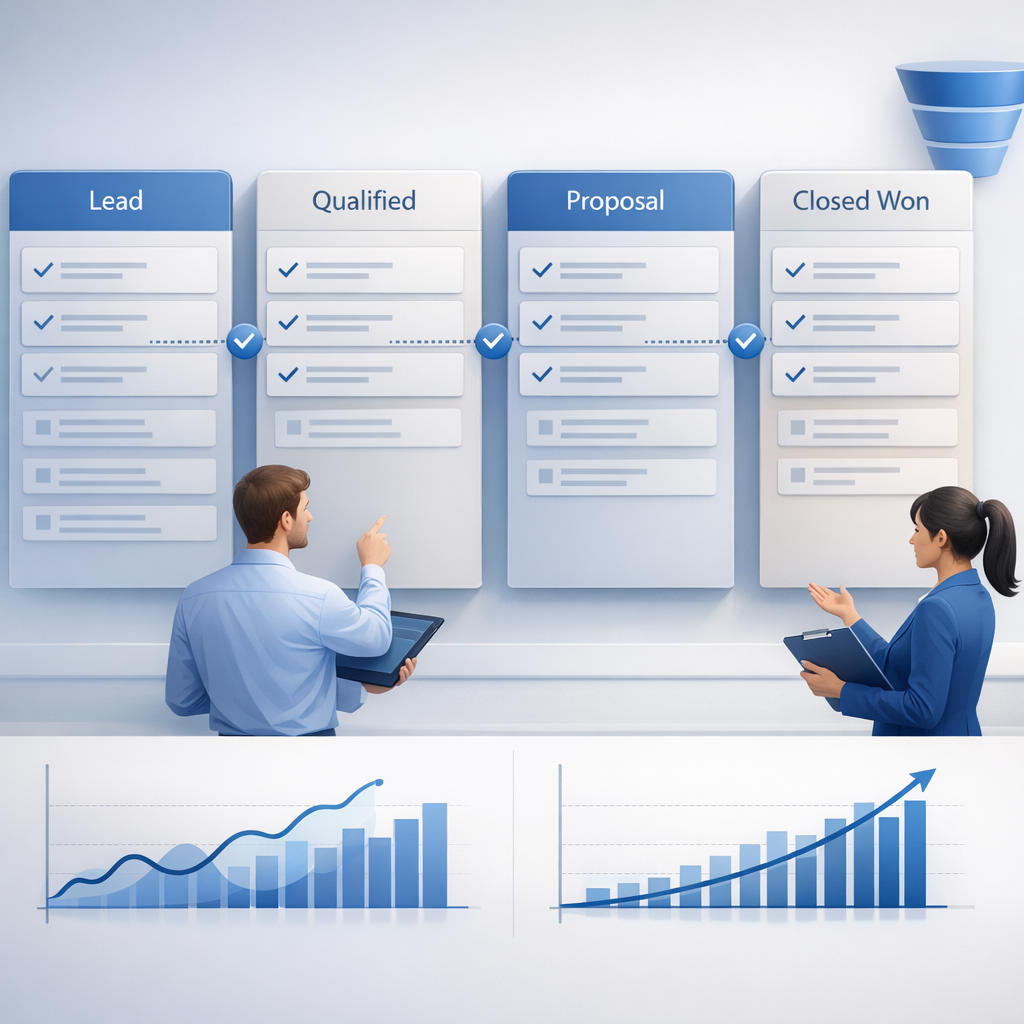
The sales pipeline typically consists of several key stages: lead generation, qualification, proposal, negotiation, and closing. Each of these stages serves a unique purpose in the sales process. Lead generation is where potential customers first enter the pipeline, often through various marketing efforts such as social media campaigns, webinars, or referrals. Once leads are generated, they need to be qualified to determine which ones are worth pursuing further. This qualification process helps sales teams focus their efforts on leads that are more likely to convert.
After qualifying leads, the next stage is the proposal phase. Here, sales representatives present tailored solutions to the prospects based on their specific needs and pain points. This stage is critical because it sets the tone for the negotiation process that follows. During negotiation, both parties discuss terms, pricing, and any other relevant details to reach a mutually beneficial agreement. Finally, the last stage is closing, where the deal is finalized, and the prospect becomes a customer. Understanding these stages allows sales teams to identify where they can improve their processes and ultimately drive more revenue.
Lead Generation
Lead generation is the first step in your sales pipeline. At this stage, your goal is to attract potential customers who may have an interest in your offerings. This can be achieved through various methods, including:
- Content marketing: Creating valuable content that attracts prospects to your website.
- Social media engagement: Using platforms like LinkedIn, Facebook, and Instagram to reach your target audience.
- Networking: Attending industry events and conferences to connect with potential leads.
Once you've generated leads, it's essential to capture their information, often through forms or landing pages. This data will be crucial as you move forward in the sales pipeline. A robust CRM, like HelloGrowthCRM, can help you manage this information efficiently, ensuring that you don't lose track of potential customers.
Lead Qualification
Once leads are captured, the next step is to qualify them to determine their potential as viable customers. Lead qualification involves assessing the likelihood of a lead converting into a paying customer. This process typically includes evaluating:
- Budget: Does the lead have the financial resources to purchase your product?
- Authority: Is the lead the decision-maker, or do they need to consult others?
- Need: Does the lead have a genuine need for your product or service?
- Timing: Is the lead looking to make a purchase soon?
By answering these questions, you can prioritize your leads based on their potential value. Qualified leads are essential for optimizing your sales efforts and ensuring that your team spends time on prospects that are most likely to convert. Leveraging an AI-powered CRM like HelloGrowthCRM can streamline this qualification process, allowing you to focus on high-potential leads.
Proposal Phase
The proposal phase is where you present your solution to the qualified leads. This stage is crucial for showcasing how your product or service can solve their specific problems. A well-crafted proposal should include:
- A clear outline of your solution: Explain how your offering addresses the lead's needs.
- Pricing details: Provide transparent pricing options to avoid surprises later in the process.
- Testimonials or case studies: Share success stories from previous clients to build trust and credibility.
During this phase, communication is key. Be prepared to answer questions and make adjustments based on the lead's feedback. A personalized approach can significantly enhance your chances of moving to the negotiation stage. Utilizing HelloGrowthCRM can help you keep track of proposals sent and follow-ups needed, ensuring no opportunities slip through the cracks.
Negotiation
Negotiation is often one of the most challenging stages in the sales pipeline. Both parties will discuss terms, pricing, and other details to reach an agreement. Effective negotiation requires strong communication skills and the ability to empathize with the lead’s concerns. Here are some tips to navigate this stage successfully:
- Be flexible: Be open to adjusting your offer to meet the lead's needs, while still protecting your interests.
- Listen actively: Understand the lead's objections and address them thoughtfully.
- Create a win-win scenario: Aim for a solution that benefits both parties, fostering a positive relationship.
A successful negotiation can lead to a signed contract and a new customer. However, it’s essential to remain professional and courteous, even if discussions become tough. Having a CRM like HelloGrowthCRM can help you track negotiation stages and document agreements, ensuring clarity and accountability.
Closing the Deal
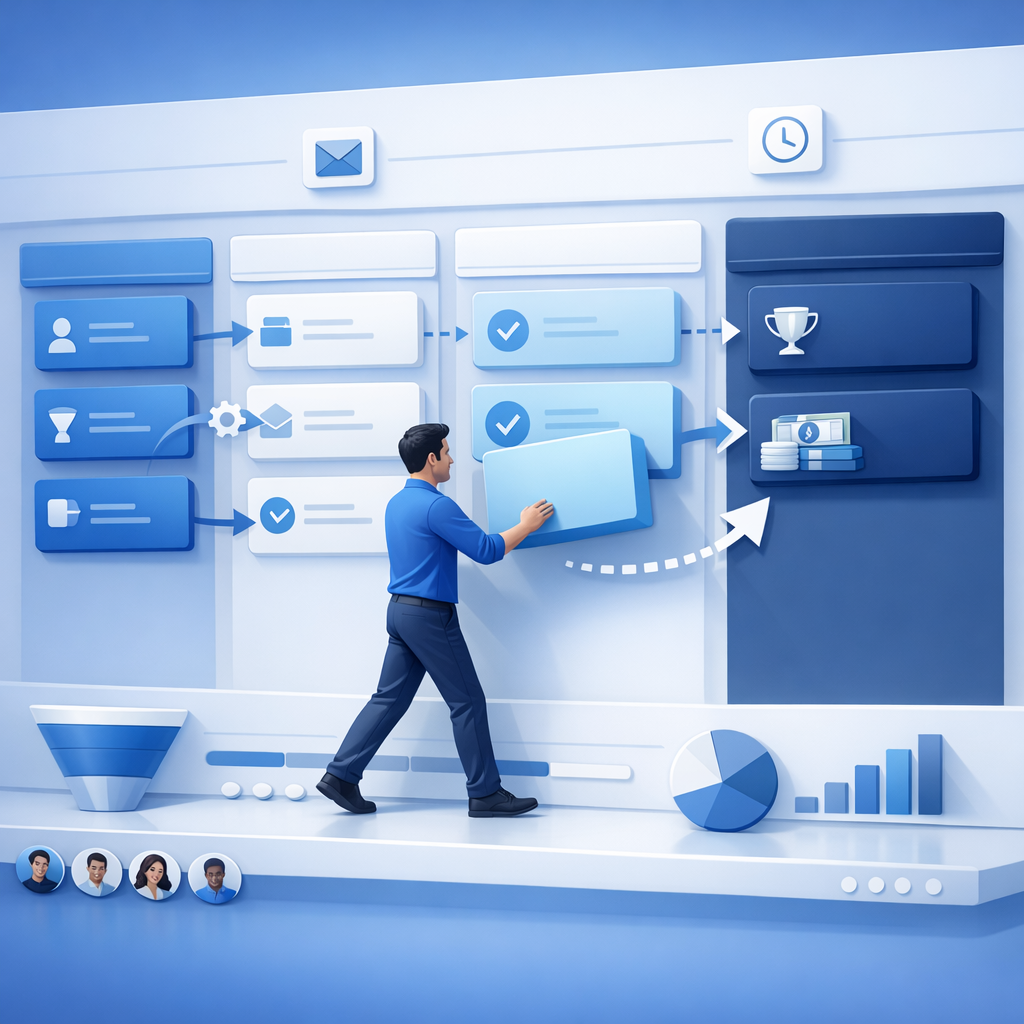
Closing is the final stage of the sales pipeline, where you turn a prospect into a customer. This stage often involves finalizing contracts, processing payments, and onboarding the new client. To effectively close a deal, consider the following:
- Recap the benefits: Remind the prospect of the value your product brings to their business.
- Address any last-minute concerns: Be ready to tackle any final objections that may arise.
- Make the process seamless: Ensure that the transition from prospect to customer is as smooth as possible.
Closing the deal is not just about signing contracts; it’s about establishing a relationship that can lead to future business opportunities. A CRM like HelloGrowthCRM can help you manage this transition, keeping track of customer information and interactions for future reference.
Ongoing Relationship Management
After a deal is closed, the relationship doesn't end. In fact, it’s just beginning. Maintaining a good relationship with your customers is essential for repeat business and referrals. Here are some strategies for effective relationship management:
- Regular check-ins: Schedule follow-ups to ensure customer satisfaction and address any issues.
- Offer additional support: Provide resources or assistance as needed to help customers maximize their investment.
- Gather feedback: Encourage customers to share their experiences, which can help improve your offerings.
By focusing on customer retention and satisfaction, you can turn one-time buyers into loyal advocates for your brand. HelloGrowthCRM can assist in managing these ongoing relationships, allowing you to track interactions and ensure you’re meeting customer needs.
Conclusion
Understanding the sales pipeline and its stages is crucial for any sales team looking to improve their conversion rates. By effectively managing each stage—from lead generation to closing—you can streamline your sales process and foster better relationships with your customers. Utilizing tools like HelloGrowthCRM can enhance your ability to track leads, manage proposals, and maintain ongoing customer relationships. Investing time in understanding and optimizing your sales pipeline will ultimately lead to increased revenue and growth for your business.
HelloGrowthCRM makes it easy to take the next step. You can Explore HelloGrowthCRM features that enhance your sales pipeline management. and see how it fits your team's workflow within minutes.
You can also explore Access resources to improve your sales strategies., Read more articles on sales and CRM best practices., Learn more about HelloGrowthCRM and its mission., Get in touch with us for a demo or more information. to connect the tools and resources your team already relies on.
Ready to put this into practice?
Set up your pipeline, WhatsApp follow-ups, and AI lead scoring in minutes — free, no credit card.
Try HelloGrowthCRM freeGet CRM tips in your inbox
Join thousands of sales professionals who get weekly insights on CRM strategy, AI automation, and pipeline optimization.

The HelloGrowthCRM team publishes guides on CRM strategy, AI sales tools, and revenue operations for small business sales teams.