HelloGrowthCRM software
Built for real small-business sales teams
HelloGrowthCRM helps reps qualify faster, follow up on time, and close more deals—with practical automation in one place.
- AI lead scoring and pipeline visibility
- Built-in dialer, WhatsApp, and email automation
- Sales forecasting and RevOps-ready reporting
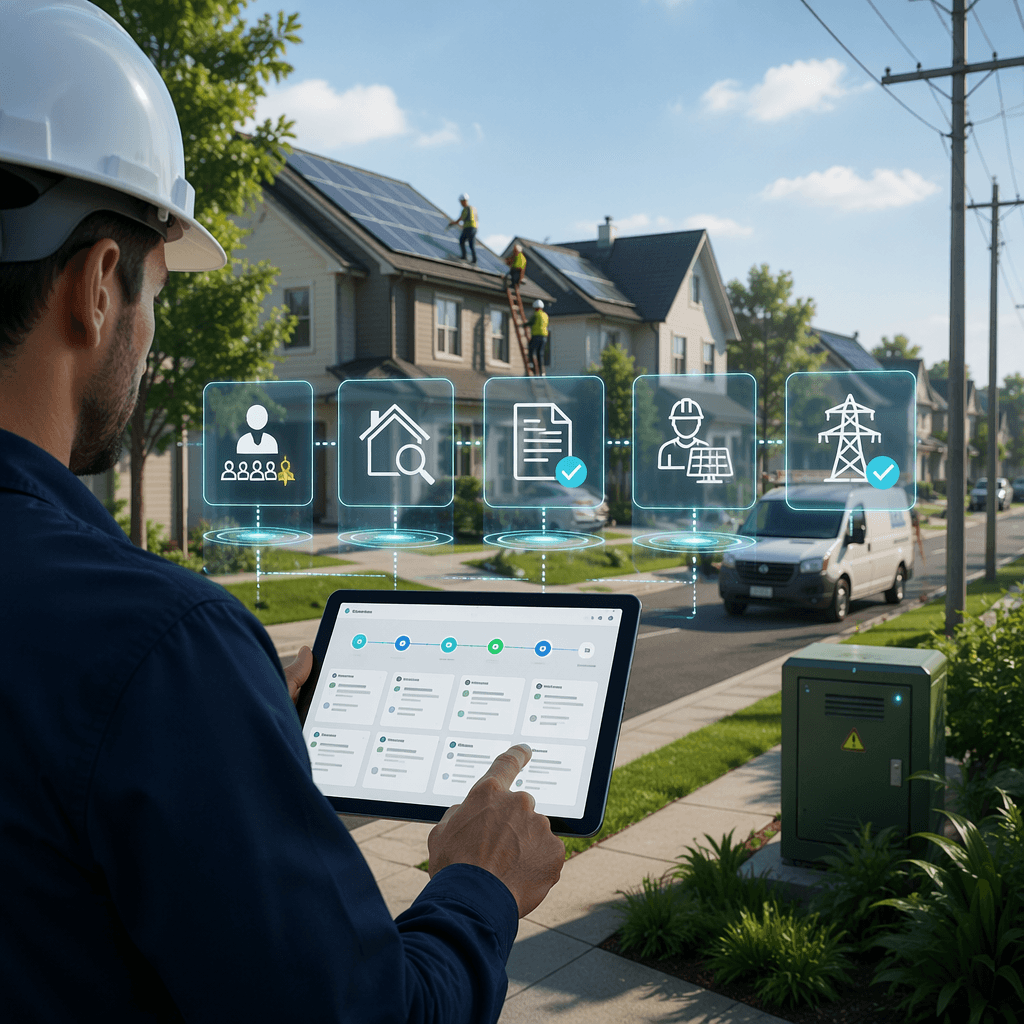
A CRM for solar installers in the United States is a customer relationship management system designed to manage the full residential solar lifecycle—from the first homeowner inquiry through site assessment, financing approval, permits, utility interconnection, and final installation. Unlike a generic CRM, a solar-focused system tracks operational milestones like permit submissions, inspection approvals, and net‑metering interconnection while keeping sales, project management, and finance teams aligned. For U.S. solar companies in markets like Austin, San Francisco, and Phoenix, the right CRM becomes the central operating system that connects lead capture, compliance‑safe outreach, proposal generation, and installation scheduling.
Key Takeaways
- Solar installers need a CRM that tracks the full lead‑to‑permit and interconnection pipeline, not just sales opportunities.
- A modern platform like AI CRM centralizes homeowner leads, site assessments, financing approvals, and installation tasks in one system.
- Built‑in outreach tools help solar teams stay compliant with CAN‑SPAM and TCPA communication rules while running outbound campaigns.
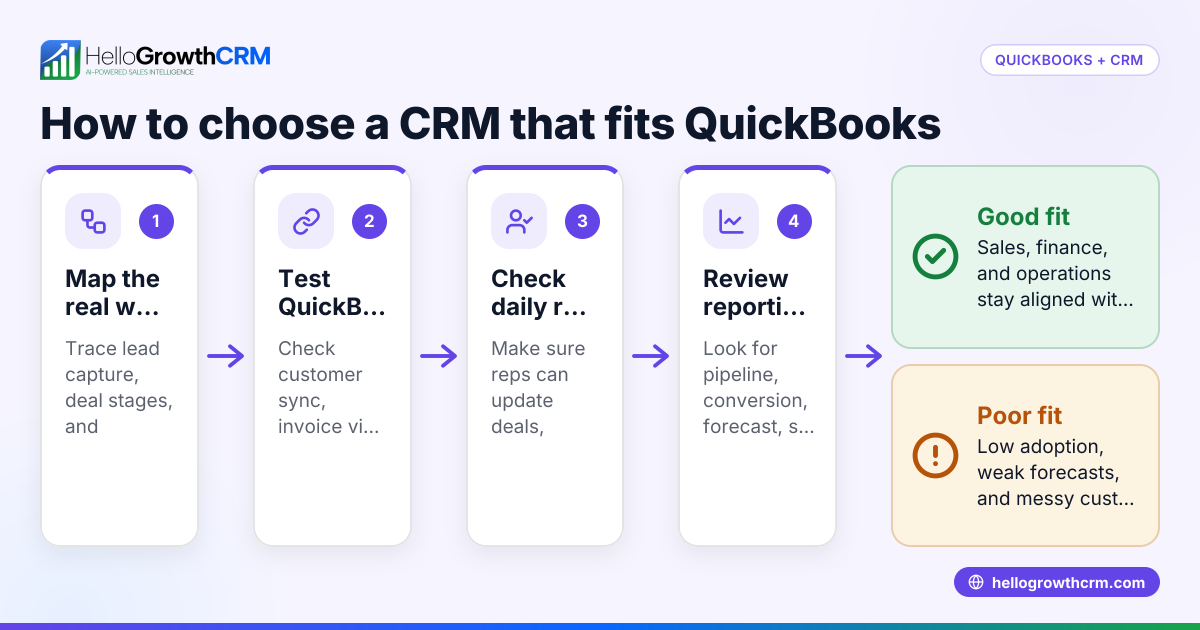
- Integrations with tools like Stripe and QuickBooks simplify deposit collection and project accounting.
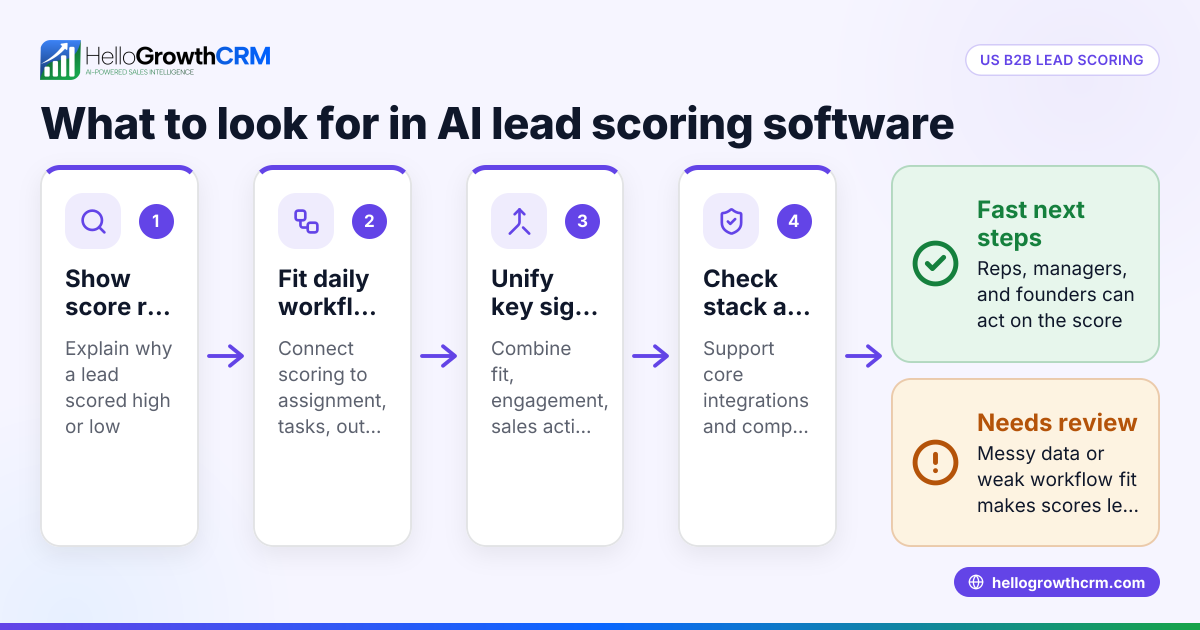
- AI features such as AI Lead Scoring and AI Pipeline Management help installers prioritize the most likely projects to close.
Why Solar Installers Need a Specialized CRM
Residential solar sales are operationally complex. A typical deal is not just a “closed won” moment. It is the beginning of a multi‑month project.
A homeowner in Austin might request a quote in January. The installation may not happen until March or April. Between those dates, the project passes through several operational gates:
- Lead qualification
- Site assessment and roof measurements
- Financing approval
- Contract signing
- Permit submission
- Utility interconnection approval
- Installation scheduling
- Inspection and system activation
Generic CRMs treat everything as a simple deal stage. Solar companies need more operational visibility.
In one rollout I led with a 12‑person solar sales team in Northern California, the company tracked projects in Salesforce while operations used Google Sheets for permits. Deals were marked “closed won” weeks before permits were filed. That created forecasting chaos and customer frustration. The real solution was a CRM that tracked sales and project delivery together.
That is where a purpose‑built system like HelloGrowthCRM helps. Its pipeline structure allows teams to map stages such as:
- Qualified homeowner lead
- Design completed
- Financing approved
- Permit submitted
- Interconnection pending
- Install scheduled
This approach gives revenue leaders accurate pipeline visibility while operations teams track real project milestones.
The Typical Lead‑to‑Installation Workflow in U.S. Solar
Understanding the workflow explains why solar teams struggle with standard CRMs.
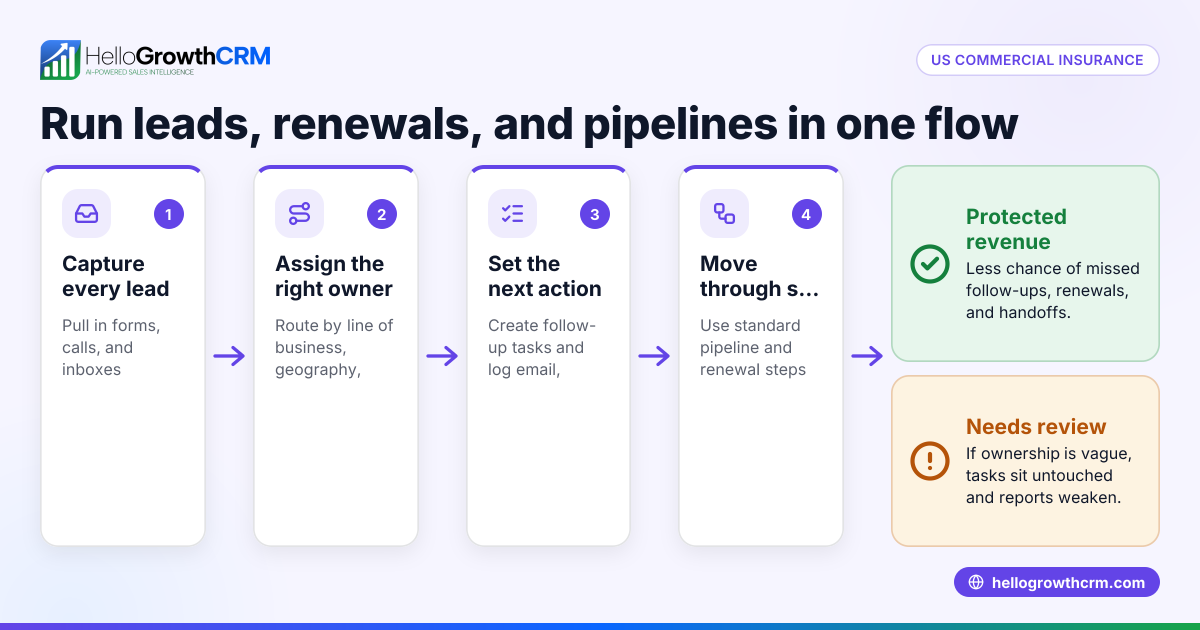
1. Lead Capture from Multiple Channels
Solar installers collect leads from:
- Website quote forms
- Meta Ads and Google Ads campaigns
- Door‑to‑door canvassing
- Referral partners
- Energy marketplaces
These leads must enter the CRM instantly. Tools like the HelloGrowthCRM Smart Inbox capture inquiries from email, SMS, and website forms in one place.
AI scoring also helps. For example, AI Lead Scoring can rank homeowners based on property value, location, and engagement.
This helps reps focus on high‑value projects first.
2. Qualification and Initial Consultation
Once a lead enters the system, the sales team must quickly determine if the homeowner is a good fit.
Typical qualification criteria include:
- Roof orientation and shading
- Homeownership status
- Credit eligibility for financing
- Utility provider and net‑metering rules
Many solar teams schedule consultations remotely. Integrating tools like the Meeting Scheduler reduces friction and avoids email back‑and‑forth.
3. System Design and Proposal
After qualification, a solar designer prepares the system layout and financial proposal.
This includes:
- Estimated system size (kW)
- Panel layout
- Production estimates
- Financing options
- Payback period
A CRM with built‑in quoting simplifies this step. For example, HelloGrowthCRM’s Proposal Builder lets teams generate proposals and contracts directly from deal records.
That means sales conversations, design documents, and pricing stay connected to the same customer record.
4. Financing and Contract Approval
Most U.S. residential solar projects involve financing.
Common options include:
- Solar loans
- Power purchase agreements (PPAs)
- Cash purchase
Once financing is approved, the project officially moves into the operations pipeline.
At this point, revenue attribution becomes critical. Tools like Revenue Attribution help companies understand which channels generate the most installations—not just the most leads.
5. Permitting and Utility Interconnection
Permits and utility approvals are often the slowest stages.
Local authorities and utilities require:
- Electrical permits
- Structural approvals
- Interconnection applications
- Final inspection sign‑off
For installers working across multiple cities—like San Jose, Oakland, and San Francisco—permit timelines vary significantly.
When I audited a solar pipeline for a Texas installer, nearly 40% of deals stalled at the permit stage. The sales team had no visibility into why. By restructuring the pipeline with operational stages, the company identified which municipalities created delays.
A CRM that tracks stage velocity in days helps operations leaders identify bottlenecks.
6. Installation and Activation
After approvals, the project moves to scheduling and installation.
Operational steps include:
- Crew scheduling
- Equipment delivery
- Installation day
- Inspection
- Utility activation
At this stage, customer communication is critical. Homeowners want updates on timelines and inspections.
A centralized CRM record helps customer success teams keep communication consistent.
Tools like Customer Health Score can flag projects that risk delays or dissatisfaction.
Compliance Requirements for U.S. Solar Sales
Solar installers operate under strict communication and data‑handling rules.
TCPA and CAN‑SPAM Outreach Rules
Outbound solar sales often involve phone calls, SMS messages, and email campaigns. These must follow federal marketing laws.
For example:
- The CAN‑SPAM Act sets rules for commercial email, including clear opt‑out mechanisms and accurate sender information. The Federal Trade Commission provides detailed guidance at https://www.ftc.gov/business-guidance/resources/can-spam-act-compliance-guide-business.
- The Telephone Consumer Protection Act (TCPA) restricts automated calls and texts without proper consent.
A CRM helps enforce compliance by tracking opt‑in consent and managing communication preferences.
For instance, HelloGrowthCRM’s WhatsApp & SMS CRM logs all customer communications and consent records in one place.
Data Security and SOC 2 Expectations
Solar installers also handle sensitive data like:
- Credit checks
- Homeowner financial information
- Signed contracts
Enterprise customers and financing partners often require SOC 2‑aligned security practices.
Frameworks like the NIST Cybersecurity Framework outline best practices for protecting digital systems and data: https://www.nist.gov/cyberframework.
A centralized CRM helps enforce access controls and audit trails, reducing security risk.
Integrating Finance and Operations Tools
Solar companies often run their financial stack on Stripe and QuickBooks.
Without integrations, teams waste hours re‑entering information.
Stripe for Deposits and Payment Plans
Many installers collect deposits before permitting begins.
Connecting the CRM to Stripe allows teams to:
- Send payment links
- Track deposit status
- Trigger workflows after payment
For example, once a deposit is paid, the CRM can automatically move the deal to “Permit Submission.”
QuickBooks for Project Accounting
Installation projects involve complex cost tracking.
Typical line items include:
- Panels and inverters
- Installation labor
- Permit fees
- Inspection costs
Integrating with QuickBooks ensures finance teams see the same project data as sales and operations.
This avoids the common problem where accounting records differ from CRM deal values.
How to Implement a CRM for Solar Installers in the USA: Step-by-Step
1. Map the Full Solar Sales Lifecycle
Document every stage from lead capture to system activation. Include sales milestones, permitting stages, and installation scheduling.
2. Define Pipeline Stages That Match Operations
Create stages like “Design Completed,” “Permit Submitted,” and “Interconnection Pending.” Avoid generic stages like “Negotiation.”
3. Automate Lead Routing and Scoring
Use systems like AI Lead Scoring to prioritize homeowners most likely to install solar.
4. Centralize Communication Channels
Connect SMS, email, and call logs so every interaction appears in the same customer timeline.
5. Integrate Finance and Scheduling Systems
Link the CRM with tools like Stripe and QuickBooks to connect payments and accounting with project records.
6. Track Pipeline Health and Stage Velocity
Use tools like AI Pipeline Management to measure how long deals stay in permitting or interconnection stages.
7. Train Sales and Operations Teams Together
Solar projects require collaboration between sales reps, designers, and project managers. Training both teams on the same CRM avoids handoff breakdowns.
Why Many Solar Teams Move Beyond Salesforce or HubSpot
Salesforce and HubSpot dominate the U.S. CRM market. Many solar companies start there.
But these platforms often require heavy customization to support operational workflows.
Common issues include:
- Sales pipelines disconnected from installation schedules
- Permit tracking outside the CRM
- Limited visibility for project managers
HelloGrowthCRM addresses these gaps with built‑in AI and operational workflows.
Features like AI Pipeline Management and Sales Task Boards allow solar companies to manage the entire customer journey in one system.
This approach works especially well for teams with 5–50 sales reps. Larger enterprise installers may still require deeper ERP integrations.
Start Managing Your Solar Pipeline with HelloGrowthCRM
If your solar company is juggling homeowner leads, permits, and installation schedules across spreadsheets or legacy CRMs, it is time to centralize the process.
HelloGrowthCRM helps U.S. solar installers manage the full lead‑to‑permit and interconnection pipeline while keeping sales, operations, and finance aligned. With built‑in AI, TCPA‑aware communication tools, and integrations with Stripe and QuickBooks, it becomes the operational hub for growing solar teams.
Explore the platform’s capabilities on the Features page or start a Free Trial to see how American solar companies streamline their pipeline with HelloGrowthCRM.
About the author
Jordan Blake is a Revenue Operations Lead at HelloGrowthCRM with 11 years of experience building CRM systems for B2B and home‑services companies. He specializes in pipeline architecture, RevOps automation, and AI‑driven sales workflows. Earlier in his career, he led the CRM migration for a multi‑state residential solar installer operating across California and Texas, redesigning their lead‑to‑installation pipeline to support permitting and interconnection tracking.
Frequently Asked Questions
Q: What is the best CRM for solar installers in the USA?
A: The best CRM for solar installers manages both sales and operational stages like permits, financing approvals, and interconnection. Platforms like HelloGrowthCRM provide solar‑specific pipeline structures along with AI lead scoring and communication tools designed for U.S. sales compliance.
Q: Why do solar installers need a specialized CRM instead of a generic one?
A: Solar installations involve long project timelines and multiple operational approvals. A specialized CRM tracks milestones like design completion, permit submission, and inspection scheduling, which generic CRMs often treat as external processes.
Q: How does a CRM help with solar permit and interconnection tracking?
A: A CRM allows teams to create dedicated pipeline stages for permit submission, city approval, and utility interconnection. Managers can monitor stage velocity and quickly identify municipalities or utilities causing delays.
Q: Can a CRM help solar companies stay compliant with TCPA and CAN‑SPAM rules?
A: Yes. A modern CRM records communication consent and manages opt‑out requests. Systems that centralize SMS, calls, and email logs help companies follow federal rules like the CAN‑SPAM Act and TCPA requirements.
Q: Do solar CRMs integrate with accounting software like QuickBooks?
A: Many solar CRMs integrate with accounting tools. Connecting the CRM with QuickBooks ensures installation projects, invoices, and financial records stay synchronized between operations and finance teams.
Q: How does AI improve CRM performance for solar sales teams?
A: AI can rank incoming homeowner leads, detect stalled projects in the pipeline, and recommend follow‑ups. This helps sales reps focus on deals most likely to move from consultation to installation.
Frequently Asked Questions
Ready to put this into practice?
Set up your pipeline, WhatsApp follow-ups, and AI lead scoring in minutes — free, no credit card.
Try HelloGrowthCRM freeGet CRM tips in your inbox
Join thousands of sales professionals who get weekly insights on CRM strategy, AI automation, and pipeline optimization.

The HelloGrowthCRM team publishes guides on CRM strategy, AI sales tools, and revenue operations for small business sales teams.